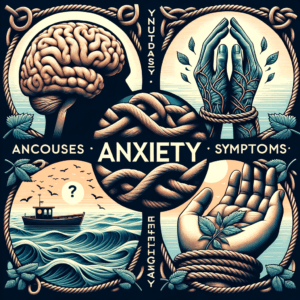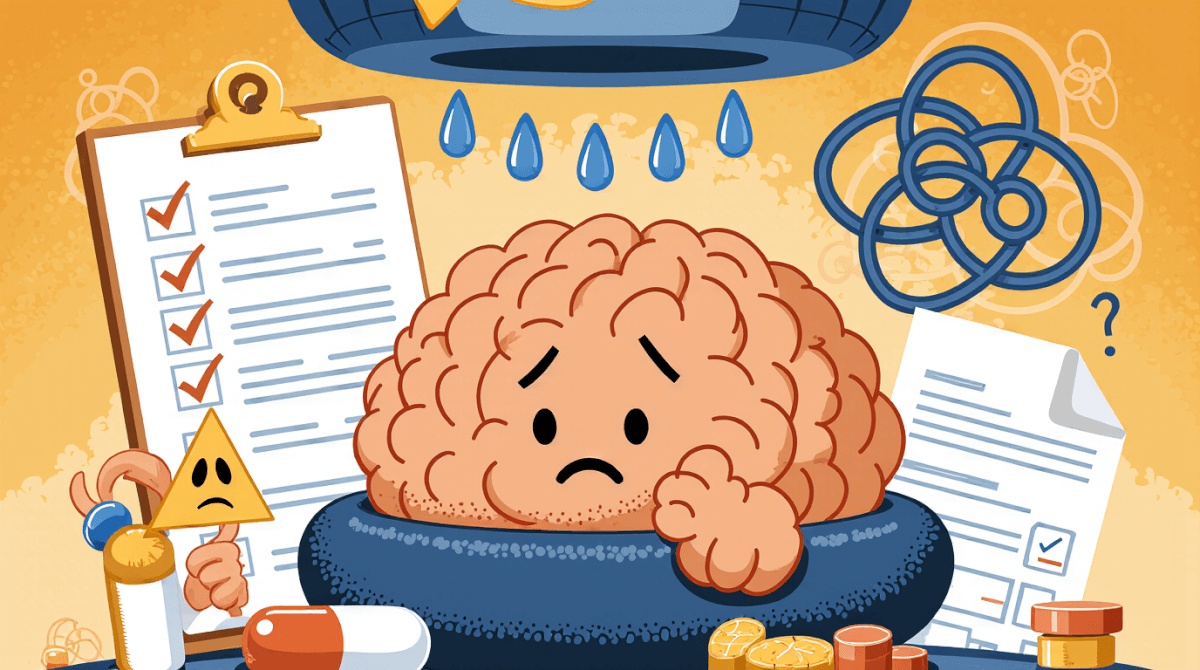
Mental overload often results from the relentless pace of modern life. The barrage of information, tasks, and responsibilities can leave individuals feeling perpetually entangled in their thoughts. This cognitive overload can make it challenging for the mind to disengage from ongoing concerns, leading to a persistent sense of urgency or anxiety. Even when the external tasks are completed, the mental residue lingers, making it difficult to experience true relaxation.
Constant stimulation, whether from social media, news, or other digital distractions, further exacerbates this issue. The continuous influx of information can create a hyperactive state in the brain, where the need for constant engagement becomes overwhelming. This overstimulation can impair the brain’s ability to process and integrate information effectively, leading to a fragmented sense of self and an inability to fully rest or reflect.
Emotional neglect is another significant contributor to this condition. When individuals do not receive the emotional support they need, their emotional well-being can suffer, leading to a state of constant unease. This neglect can stem from various sources, such as interpersonal relationships, work environments, or societal pressures. Over time, the absence of meaningful emotional connections and validation can result in a sense of disconnection and dissatisfaction, further contributing to the feeling of chronic restlessness.
The impact of these factors on well-being is profound. Attention becomes a precious commodity, constantly being pulled in multiple directions. This fragmentation makes it difficult to focus on tasks or activities that once brought enjoyment and fulfillment. The individual may find themselves engaged in a cycle of superficial activity, hopping from one task to another without ever truly settling into anything. This restlessness can create a pervasive sense of dissatisfaction and a nagging feeling that something is amiss.
Rest, in this context, becomes an elusive state. The body and mind require periods of quiet reflection and restoration to function optimally. When the mind remains perpetually engaged, the opportunity for true relaxation is diminished. This lack of rest can lead to physical and emotional fatigue, further exacerbating the chronic restlessness. The body may show signs of this strain through insomnia, fatigue, or physical symptoms such as headaches and muscle tension. Emotionally, individuals may experience irritability, mood swings, and a general sense of unhappiness.
The mechanisms at play in chronic restlessness are not merely physiological; they are deeply psychological as well. The brain’s ability to process information effectively is crucial in managing this condition. Overload can overwhelm the executive functions of the prefrontal cortex, which are responsible for planning, decision-making, and emotional regulation. When these functions are taxed, the individual may find themselves struggling to make clear decisions or regulate their emotions effectively. This can result in a sense of disorientation and a lack of clarity about one’s goals and priorities.
Similarly, the amygdala, which processes emotions, can become overactive due to constant stimulation. This hyperactivity can lead to a heightened state of alertness and a perpetual state of “fight or flight,” making it difficult to find calm or inner peace. The prefrontal cortex, responsible for emotional regulation, may be under pressure to manage this heightened state, leaving the individual feeling emotionally overwhelmed.
Awareness of these mechanisms is a critical first step in understanding chronic restlessness without clear cause. By recognizing the sources of mental overload and constant stimulation, individuals can begin to make informed decisions about how they manage their time and resources. Setting boundaries around technology use, prioritizing tasks more effectively, and creating dedicated periods for relaxation can help mitigate these effects. Additionally, developing practices such as mindfulness or meditation can provide tools for managing the brain’s response to constant stimulation.
Emotional neglect, too, requires attention. Establishing supportive relationships, seeking professional therapy, or engaging in activities that foster emotional well-being can help address this aspect of the condition. Cultivating a sense of self-worth and recognizing one’s emotional needs are essential steps in healing from this neglect.
In reflecting on chronic restlessness without clear cause, it is important to remember that this state is a lived experience, not just a theoretical construct. The impact on daily life can be profound, affecting both physical and emotional well-being. While the mechanisms at play may seem complex, the underlying issues can often be addressed through awareness and intentional action. By recognizing the need for mental and emotional balance, individuals can begin to reclaim their sense of peace and focus, even in the midst of a chaotic world.
Related Reading
– Peter Fonagy – Affect Regulation, Mentalization, and the Development of the Self
– Martin Seligman – Learned Helplessness