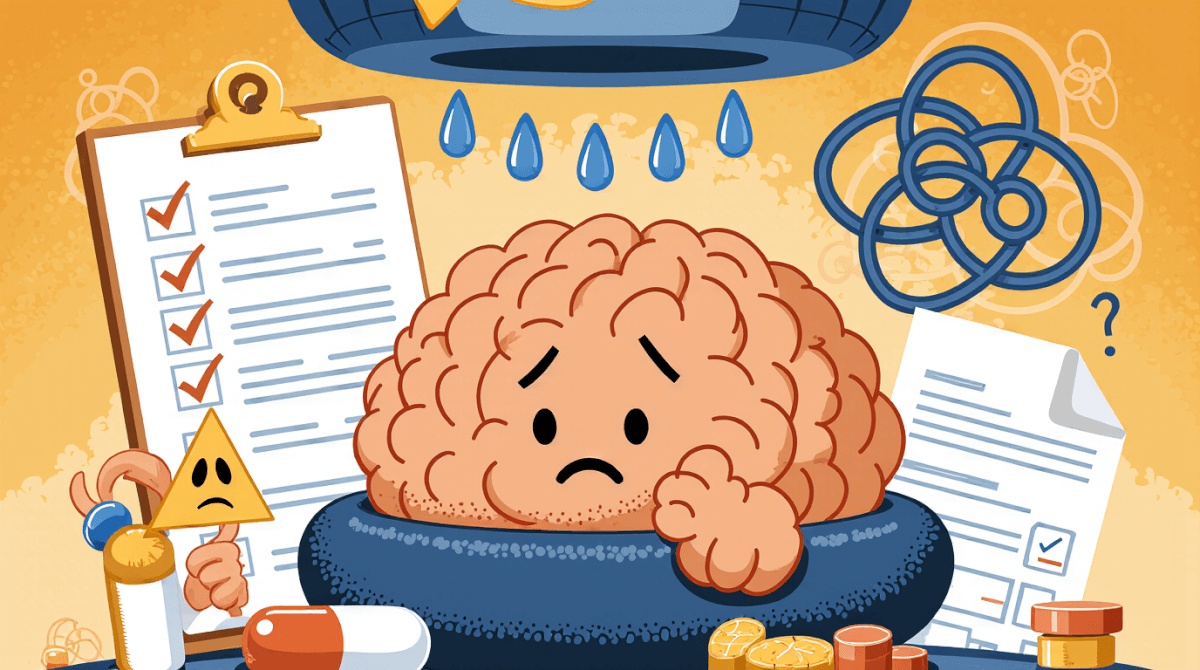
At the core of chronic overthinking lies the constant churning of thoughts in one’s mind. This endless cycle can stem from a multitude of sources: stress, anxiety, or simply the relentless bombardment of information and expectations in today’s fast-paced world. The brain, which is capable of processing an incredible amount of data, can become overwhelmed when it is continually asked to analyze, evaluate, and anticipate potential outcomes. This overactivity can fragment attention, making it difficult to focus on any one task or thought for extended periods.
Consider the scenario where someone constantly finds themselves pondering every detail of a project at work or home, even after the project has been completed. This is not merely a concern about perfection but a reflection of an underlying need to control outcomes, driven by fear and uncertainty. Over time, such habitual overthinking can lead to a state of mental exhaustion, where even basic tasks feel daunting and require immense effort.
The experience of mental exhaustion goes beyond just feeling tired; it involves a deep-seated depletion of cognitive resources. This depletion can manifest as difficulty concentrating, making decisions, or engaging fully in the present moment. A common example is someone who finds themselves frequently zoning out during conversations, struggling to follow the conversation, or being unable to recall details from earlier in the day. These signs indicate a brain that is operating under considerable stress and is in need of rest and recovery.
The emotional aspect of chronic overthinking and mental exhaustion cannot be overlooked. It often stems from feelings of inadequacy, fear of failure, and the pressure to perform at all times. These emotions can create a vicious cycle, where the fear of not being good enough fuels even more overthinking, which in turn exacerbates the feeling of being inadequate. This emotional strain can leave individuals feeling isolated and disconnected, as they might withdraw from social interactions or meaningful activities due to the burden of their own thoughts.
Socially, the impact of chronic overthinking and mental exhaustion is profound. Individuals may find themselves withdrawing from social gatherings, canceling plans, or feeling a pervasive sense of disconnection from others. This can lead to a further depletion of emotional resources, as social support networks are crucial for maintaining mental well-being. The need for social interaction and connection becomes more pressing but harder to achieve when one is mentally exhausted, creating a cycle that is difficult to break.
The mechanisms at play in chronic overthinking and mental exhaustion are multifaceted. One key aspect is the disruption of the body’s natural rhythms, particularly the sleep-wake cycle. Poor sleep quality can be a direct result of an overactive mind, leading to fatigue, irritability, and decreased cognitive function. Sleep is essential for the brain to process emotions, consolidate memories, and restore depleted resources. When this natural process is disrupted, it can lead to a vicious cycle where the body and mind struggle to recover, further exacerbating the state of exhaustion.
Another mechanism involves the depletion of mental energy. The brain, like any muscle, requires rest and recovery. Chronic overthinking means that the brain is continually operating at high levels of activity, leading to a depletion of cognitive resources. This can result in a constant state of low-grade anxiety or a heightened sense of alertness, making it difficult to relax or engage in activities that typically bring joy or relief.
Attention, rest, boundaries, and reflection are critical components in managing chronic overthinking and mental exhaustion. Attention is the brain’s ability to focus on specific tasks or thoughts while filtering out distractions. In a world filled with constant stimuli, maintaining focused attention can be challenging. Boundaries, help in delineating time for work and play, ensuring that periods of rest and recovery are not encroached upon. Reflection involves taking time to examine one’s thoughts and emotions, allowing for a deeper understanding of underlying patterns and triggers.
Awareness is key in recognizing when these states are present. Paying attention to physical signs such as headaches, fatigue, or irritability can provide important insights into the need for rest or change. Similarly, emotional cues like persistent sadness or anger can signal underlying stressors that need addressing. By acknowledging these signals, individuals can take steps to manage their mental and emotional well-being.
In summary, chronic overthinking and mental exhaustion are complex experiences rooted in the interplay of psychological, emotional, and social factors. They involve a continuous cycle of thought, emotion, and physical strain that can leave individuals feeling drained and disconnected. Understanding the mechanisms at play—such as the disruption of natural rhythms and the depletion of cognitive resources—can provide a framework for recognizing these states. By fostering awareness, prioritizing attention, setting boundaries, and engaging in reflective practices, individuals can begin to manage the symptoms and find moments of respite in their busy lives.