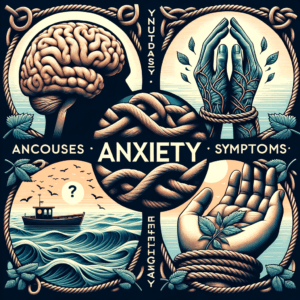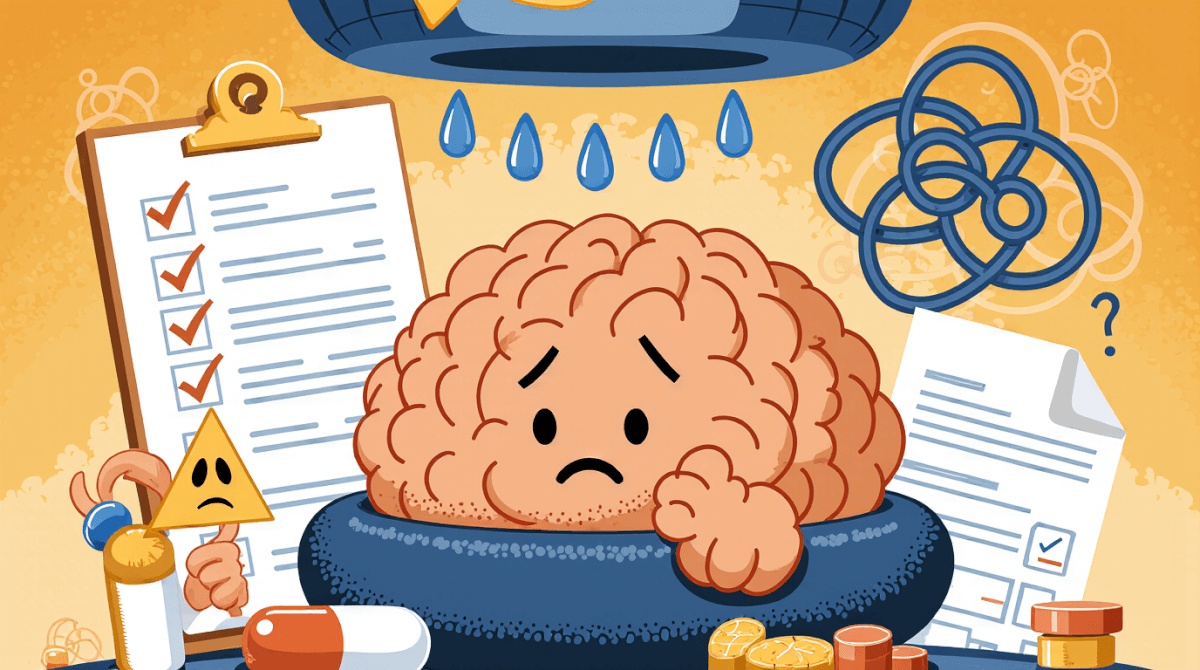
In today’s fast-paced world, the brain is constantly bombarded with information. Emails, notifications, social media updates, and countless other stimuli vie for attention, fragmenting the mental focus that once allowed us to deeply engage with tasks or ideas. When the brain does not have the chance to rest and process, it becomes overburdened, leading to a state of constant tension and unease. This mental overload can manifest as a persistent sense of dissatisfaction, even in situations where everything seems to be going well.
Consider the analogy of a computer running several demanding programs simultaneously. Eventually, the system will slow down or crash due to the sheer volume of tasks it is handling. Similarly, the human brain can only sustain focused and engaged attention for so long before it reaches its limits. When this happens, the mind begins to fragment, making it difficult to focus on any one thing for an extended period. This state of scattered attention can lead to a pervasive sense of dissatisfaction because every task or situation seems to lack the depth and meaning that once brought satisfaction.
Another factor contributing to chronic dissatisfaction without clear reason is constant stimulation. In our hyper-connected world, individuals are constantly exposed to new information, experiences, and social interactions. While this can be enriching, it can also create a cycle of constant comparison and unfulfilled expectations. The brain seeks novelty and excitement as a form of reward, but when these fleeting pleasures do not satisfy, the mind is left feeling empty and unsatisfied. This ongoing cycle can lead to a state where no experience or situation feels quite right, even when objectively good.
Emotional neglect plays a significant role in fostering this state of dissatisfaction. When individuals do not receive the emotional validation and support they need, their sense of self-worth can diminish. Over time, this lack of emotional nourishment can create a sense of inner emptiness and dissatisfaction, even in the presence of external achievements or positive experiences. It is as if the mind is constantly searching for that missing piece, but it remains elusive, leading to a persistent feeling of discontent.
The impact of these factors on well-being cannot be overstated. Chronic dissatisfaction without clear reason can lead to heightened stress levels, anxiety, and depression. These mental health issues are not just fleeting emotions; they are deep-seated states of being that affect every aspect of one’s life. Relationships may suffer, as the constant dissatisfaction can create a tense and unfulfilled atmosphere. Work performance can decline, as the mind is too preoccupied with internal struggles to focus on tasks effectively. Overall, the quality of life diminishes as the mind remains in a state of unrest.
Attention, rest, boundaries, and reflection are crucial components in addressing chronic dissatisfaction without clear reason. These elements work together to create a balance that allows the mind to process and recover from the constant demands placed upon it. Attention refers to the mental effort required to focus on a task or idea. By practicing mindfulness and focusing on the present moment, individuals can reduce the fragmentation of their attention and find greater satisfaction in their experiences. Rest is equally important, as it provides the brain with the opportunity to process and integrate new information without the added stress of constant stimulation. Boundaries help to establish limits around the amount of time spent on specific tasks or activities, ensuring that the mind has adequate time for recovery and reflection.
Reflection involves taking the time to think deeply about one’s experiences and emotions. By engaging in this practice, individuals can gain insight into their own thought patterns and emotional states, leading to a greater understanding of what truly satisfies them. This process allows for the development of a more nuanced and realistic perspective on life, reducing the pervasive sense of dissatisfaction that often plagues those who struggle with this condition.
In summary, chronic dissatisfaction without clear reason is a complex and multifaceted experience shaped by mental overload, constant stimulation, and emotional neglect. By understanding these factors and the role they play in our psychological landscape, we can begin to see how our well-being is affected. Attention, rest, boundaries, and reflection are essential tools for navigating this state and finding a sense of balance and contentment. While it may be challenging to address these issues, the process of awareness and self-exploration can lead to significant improvements in mental health and overall quality of life.
Related Reading
– Janina Fisher – Healing the Fragmented Selves of Trauma Survivors
– Bruce Perry – The Boy Who Was Raised as a Dog