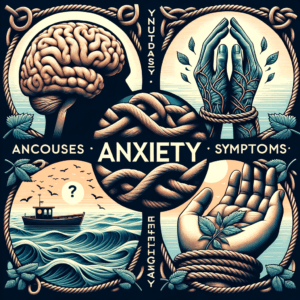
Anxiety is an intricate emotional response that can significantly impact our performance in various aspects of life. Whether you’re stepping onto a stage for your first public speaking event, preparing for a critical job interview, or competing in a high-stakes athletic contest, anxiety often rears its head when the stakes are high. This article aims to explore how anxious thoughts develop and influence our emotions and behaviors, drawing on relatable everyday situations rather than offering prescriptive advice.
Consider this common scenario: You’ve been working hard for months on an important project at your job, and finally, the day has come to present it to your superiors. As you stand in front of a room full of colleagues and supervisors, you feel butterflies in your stomach and your palms start to sweat. Your heart races as you imagine potential questions or criticisms that could undermine your work. This anxiety can be paralyzing, making it difficult to articulate the ideas and insights you’ve spent so much time developing.
Anxiety often stems from a blend of uncertainty and fear about potential negative outcomes. When faced with a significant challenge or decision, our minds naturally begin to generate worst-case scenarios. These thoughts are not just idle worries; they play a crucial role in shaping how we perceive the situation at hand. When you’re preparing for an exam, your anxious thoughts might revolve around failing and disappointing those who have invested in your success—parents, teachers, or peers. This anxiety can lead to overthinking, where every small detail of the preparation seems inadequate.
In sports, performance anxiety is equally prevalent and debilitating. Imagine a soccer player facing a penalty kick in a crucial match. The pressure to score isn’t just about personal achievement; it’s also about the expectations of teammates, coaches, fans, and perhaps even oneself. As the ball approaches the penalty spot, every step feels exaggerated, each breath heavy with anticipation. This overwhelming sense of responsibility can cloud judgment and hinder physical coordination.
The development of anxious thoughts often begins in our perception of ourselves and others’ perceptions of us. Self-doubt can be a significant catalyst for anxiety. When we doubt our abilities or fear inadequacy, it becomes easier to focus on what could go wrong rather than what might go right. This mindset creates a vicious cycle where negative thoughts reinforce each other, making the perceived threat seem more imminent and severe.
Anxiety doesn’t operate in isolation; it intertwines with our emotions and behaviors in complex ways. Emotionally, anxiety can lead to heightened stress levels, which manifest as physical symptoms such as headaches, muscle tension, or nausea. These symptoms further exacerbate feelings of vulnerability, reinforcing the initial anxious thoughts and creating a feedback loop that spirals out of control.
Behaviorally, anxiety often leads to avoidance tactics. When faced with a daunting task, it’s tempting to procrastinate or find ways to sidestep the challenge altogether. This can provide temporary relief but ultimately prolongs the cycle of anxiety by failing to address the underlying issues directly. Instead of rehearsing for an important presentation, you might spend hours refining minor details that have little impact on your overall performance.
Understanding these mechanisms is crucial in managing anxiety effectively. Recognizing how anxious thoughts develop and influence our emotions and behaviors allows us to approach challenges with a more balanced perspective. It’s not about eliminating anxiety entirely but rather learning to navigate it constructively.
One effective strategy is to cultivate mindfulness, which involves being present in the moment without judgment. By focusing on your immediate experience—whether it’s breathing deeply or observing your thoughts—you can begin to disentangle from the overwhelming cycle of anxious thinking. Mindfulness helps you acknowledge and accept your anxiety rather than fighting against it, reducing its hold over your actions.
Another approach is reframing negative self-talk into more constructive dialogue. Instead of berating yourself for perceived shortcomings, try asking yourself what you would say to a friend in a similar situation. This perspective shift can help you offer more compassionate and supportive words to yourself, fostering resilience and confidence.
It’s also important to engage in activities that build your sense of competence and control. For athletes, this might mean refining specific skills through targeted practice sessions or mental rehearsals. For individuals facing professional challenges, it could involve seeking feedback from trusted mentors or engaging in continuous learning to enhance your capabilities.
Understanding anxiety is a journey of self-discovery and growth. It’s about acknowledging the emotions that arise when we face significant challenges and learning how to channel them into productive action. By doing so, we can transform potential obstacles into opportunities for personal development and success.
Anxiety is an intricate emotional mechanism that shapes our responses in high-pressure situations. By examining its roots and understanding its impact on our thoughts, emotions, and behaviors, we can develop strategies to manage it more effectively. This reflective approach allows us to navigate the complexities of performance anxiety with greater clarity and resilience, turning challenges into opportunities for personal growth.