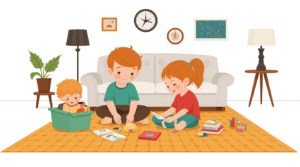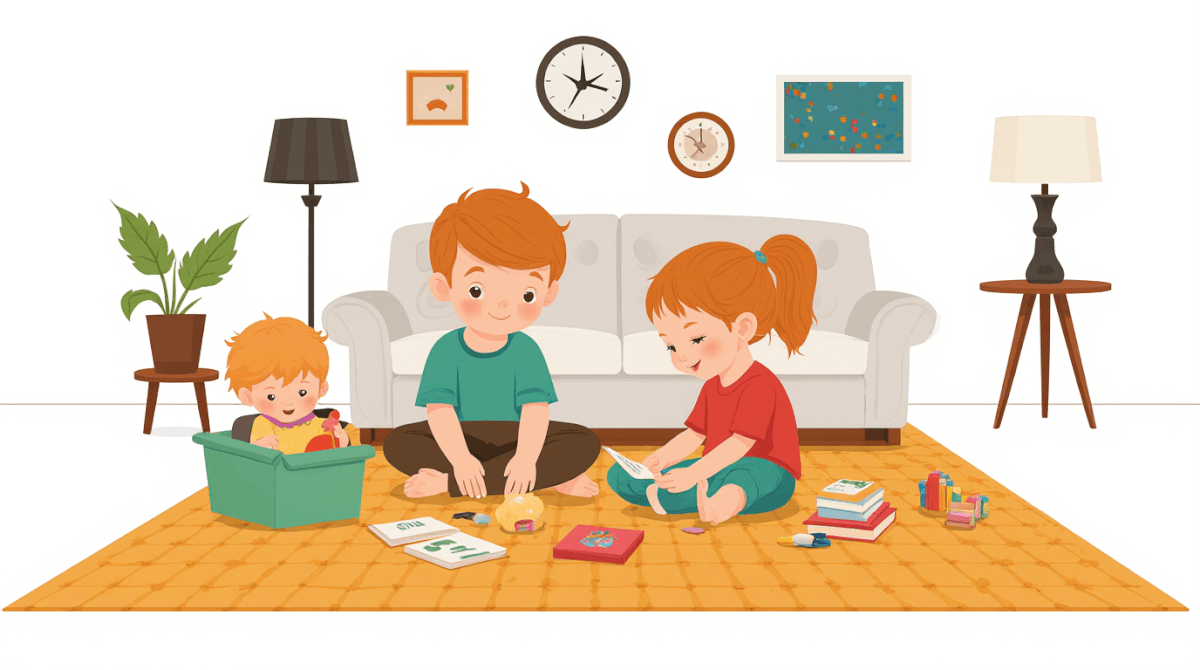
From a young age, children find themselves caught up in a complex web of social interactions that shape their emotional security, confidence, identity, and self-regulation. The internalization of values is a fundamental process that occurs as these interactions become habitual over time. Through everyday family dynamics, children gradually develop a sense of right and wrong, learn to navigate social norms, and internalize the expectations placed upon them by their environment.
At its core, internalization involves not just the acquisition of information, but the embedding of values into one’s emotional and cognitive framework. A child might observe that helping others is valued within the family; this observation, repeated over time, begins to take root in their own behavior. When a parent consistently demonstrates generosity and kindness in everyday interactions—whether it’s sharing food at mealtime or volunteering at a local charity—the child may internalize these behaviors as a reflection of their own worth. This process is not merely about mimicking actions but about understanding the underlying values and integrating them into one’s self-concept.
The psychological mechanisms at play are intricate. When a child sees their parents model positive behaviors, they begin to form a mental map of acceptable ways to behave. Over time, these models become internalized as part of the child’s identity. This internalization is not just about compliance but about developing a set of internal standards that guide behavior. If a parent always expresses gratitude and acknowledges effort, the child may start to develop a sense of personal responsibility and appreciation for the effort of others. These internal standards help children navigate social situations and make decisions, providing a sense of moral clarity.
The process of internalization is not without its challenges. There are instances where support from caregivers can become overprotective, potentially stifling a child’s natural curiosity and initiative. A parent who constantly monitors every action their child takes might inadvertently create an environment where the child feels overly dependent on external validation. This can lead to a lack of confidence in one’s own judgment and decision-making skills. A balance between support and encouragement fosters a sense of security and independence, allowing children to explore and take risks in a safe space.
The internalization of values is deeply intertwined with emotional security. When children feel secure in their relationships with caregivers, they are more likely to internalize positive values. A child who feels consistently loved and supported is more likely to develop a strong sense of self-worth and resilience. This emotional security provides a foundation from which they can explore the world and engage in relationships based on mutual respect and understanding.
When there are inconsistencies or conflicts in the messages being conveyed, children may experience confusion and internal conflict. If a parent values honesty but often lies to protect their child, the child might struggle to determine what constitutes truth. This can lead to a fragmented sense of self and difficulty in making moral judgments. Such inconsistencies can create internal tension, leading to feelings of guilt or shame when the child tries to align their behavior with the conflicting values they have absorbed.
The process of internalization also involves the development of self-regulation skills. When children observe and internalize values such as patience, perseverance, and self-control, they begin to develop the ability to manage their emotions and behaviors effectively. A parent who consistently models patience during challenging situations can help a child learn to wait their turn or handle frustration without lashing out. This internalization of self-regulation skills is crucial for emotional stability and social competence.
It is important to note that the internalization of values is not a linear process but one that unfolds over time through repeated experiences. The nuances of these interactions can vary widely depending on cultural, social, and familial contexts. In some cultures, communal values such as group harmony might be prioritized, influencing how children learn to navigate their relationships and make decisions. Individualistic societies might emphasize personal autonomy and self-expression, shaping a child’s internal values differently.
The tension between support and overprotection is a recurring theme in the internalization of values. While support is vital for emotional security and self-regulation, overprotection can hinder a child’s ability to develop independence and problem-solving skills. If a parent constantly intervenes in every situation their child encounters, the child might lack the opportunity to learn from mistakes and develop resilience. This can lead to a sense of dependency and an inability to make independent judgments.
A balance between support and encouragement fosters a healthy internalization process. When caregivers provide guidance and validation while also allowing children to take risks and make decisions, children can develop a sense of self-worth and confidence. If a parent encourages a child to tackle a new hobby or challenge, even when it might be difficult, the child learns to persevere and value their efforts. This balance helps children internalize values such as resilience and self-motivation.
The internalization of values is not just about external reinforcement; it also involves internal reflection and self-evaluation. Children begin to internalize values by reflecting on their own actions and those of others. When a child witnesses an act of kindness and then considers how they could have acted in a similar situation, they are engaging in internal processing. This introspection helps children develop a deeper understanding of moral principles and their application in everyday life.
The process of childhood and the internalization of values is a complex and multifaceted one. It involves the gradual embedding of values into a child’s emotional and cognitive framework through repeated patterns of social interactions. These interactions shape a child’s sense of self-worth, confidence, and identity, providing a foundation for emotional security and self-regulation. While challenges such as overprotection and cultural context can complicate this process, the balance between support and encouragement plays a crucial role in fostering healthy internalization. The internalization of values is an ongoing and dynamic process that continues to influence a child’s development well into adulthood.