Childhood is a complex interplay of experiences, emotions, and social interactions that gradually shape a child’s emerging sense of moral responsibility. This process, rooted in the family environment, involves subtle yet profound mechanisms that contribute to the development of emotional security, confidence, identity, and self-regulation. It is through these daily interactions that children begin to understand the nuances of right and wrong, empathy, and accountability.
From an early age, children are embedded in a web of relationships that include parents, siblings, and other family members. These relationships form the bedrock upon which moral understanding is built. The emotional security a child experiences in these early years is crucial for their psychological well-being. When a child receives consistent and affectionate care, they begin to develop trust and a sense of safety. This emotional foundation is essential for building confidence and resilience as they navigate the world.
Consider a simple example: when a parent comforts a child who has fallen and scraped their knee, they are not only alleviating immediate pain but also reinforcing the belief that the child is cared for and supported. Over time, this repeated pattern of care and support helps the child internalize a sense of security, which is a critical component in the development of moral responsibility. The child learns to trust not only the world around them but also their ability to make sense of it.
The emergence of moral responsibility is not solely about emotional security. It is also deeply intertwined with the child’s growing self-regulation and identity. As children grow, they begin to understand the concept of rules and boundaries. These rules are initially imposed by parents and caregivers but gradually become internalized as the child begins to see them as part of their own moral framework. A child who consistently witnesses their parents following household rules, such as saying “please” and “thank you,” or not taking things that do not belong to them, may begin to adopt these behaviors as a way of navigating their environment.
The process of internalizing rules and boundaries is closely linked with the development of self-regulation. Self-regulation refers to the ability to control one’s behavior in line with social expectations and norms. Children learn self-regulation through trial and error, with feedback from caregivers providing both positive reinforcement and correction. When a child makes a mistake, such as interrupting a conversation, a parent might gently redirect their attention, perhaps saying, “It’s important to wait for your turn to speak.” Over time, this repeated feedback helps the child understand the social implications of their actions and develop the ability to self-correct.
While these mechanisms are powerful, it is essential to recognize that the path to moral responsibility is not always straightforward. Tension can arise between the need for emotional security and the demands of self-regulation. A parent might be overly protective, creating an environment where the child never experiences failure or consequence. While this approach may provide immediate emotional security, it can hinder the development of resilience and self-regulation. An overly permissive environment might foster independence but could also lead to a lack of clear boundaries and social norms.
The balance between support and guidance is critical. When parents provide a nurturing environment that also includes clear expectations and consequences, children are more likely to develop a healthy sense of moral responsibility. This balanced approach allows children to explore their world while understanding the impact of their actions on others. A parent who calmly explains the consequences of taking something without asking might say, “If you take something without asking, it makes others feel sad and upset. Next time, let’s ask first.” This type of interaction not only teaches empathy but also models the process of making amends and repairing relationships.
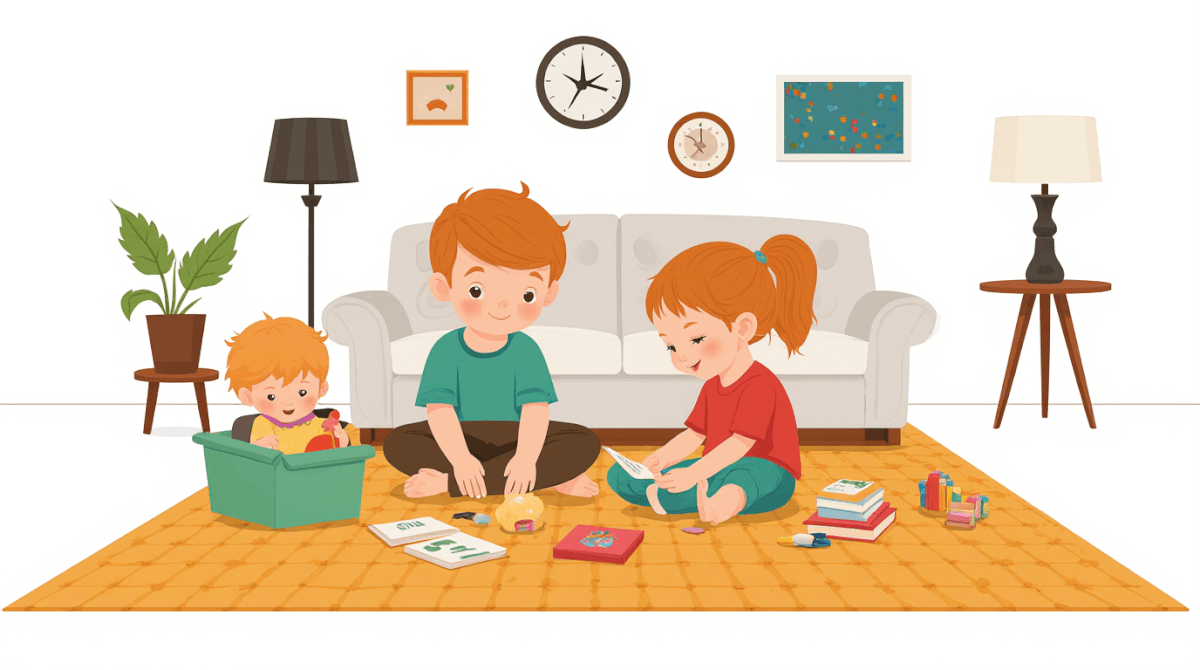
As children grow, they begin to internalize these lessons and apply them to increasingly complex social situations. A child who has learned to share toys with a sibling might later apply this principle in a classroom setting, sharing materials with classmates during group projects. This ability to generalize principles of fairness and cooperation is a hallmark of emerging moral responsibility.
The process of developing moral responsibility is not limited to interactions within the family. Children are also influenced by broader social and cultural contexts. Media portrayals of right and wrong, the behavior of peers, and community values all contribute to shaping a child’s moral compass. A child who frequently witnesses acts of kindness and generosity in their community may be more likely to adopt these behaviors themselves.
The emergence of moral responsibility in childhood is a multifaceted process that involves emotional security, self-regulation, identity, and the influence of broader social contexts. It is through the repeated patterns of interaction within the family environment that children gradually develop the capacity for empathy, accountability, and ethical reasoning. While challenges such as tension between support and guidance exist, a balanced approach can foster a robust foundation for moral development.