
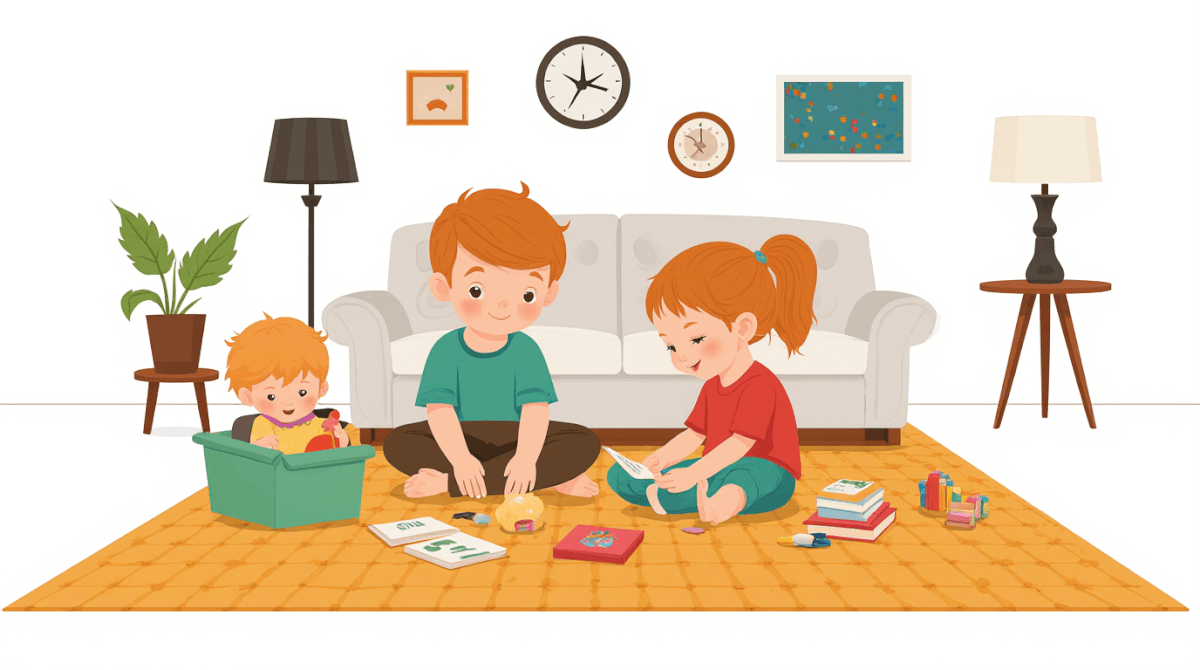
Childhood is a period when the seeds of emotional resilience are sown, and among the many capacities that develop during this time, the capacity for forgiveness is particularly significant. The ability to forgive, both oneself and others, is not innate but is cultivated through repeated interactions within the family unit. These interactions, simple as they may seem, lay the groundwork for a child’s emotional security and self-regulation.
From the earliest moments, children are exposed to the intricate dance of family dynamics, where every action, gesture, and word carries weight in shaping their understanding of relationships and themselves. A parent who, upon noticing a child’s mistake, gently acknowledges it without harsh criticism, is teaching an essential lesson about self-forgiveness. This gentle approach can be seen in everyday situations, such as when a mother notices her child has spilled juice on the floor. Instead of scolding or punishing, she might say, “Oh no, looks like we had a little accident there. Let’s clean it up together.” Such an interaction instills a sense that errors are not catastrophic but opportunities for growth and self-compassion.
Similarly, the capacity for forgiving others begins with witnessing such empathetic responses from caregivers. A father who patiently listens to his child’s frustrations over a disagreement with a friend, validating their feelings without immediately taking sides, models the process of understanding and accepting others’ perspectives. Over time, this exposure leads to the development of cognitive frameworks that allow children to see beyond immediate emotions and towards the broader context. This is not just about intellectual understanding but a deep emotional shift, where the child begins to appreciate that people make mistakes and that reactions are often rooted in personal struggles rather than malicious intent.
The psychological mechanisms at play here are complex and multifaceted. At a fundamental level, children internalize these interactions as part of their self-schema—their sense of who they are and how they fit into the world. Positive interactions, like those described above, reinforce a belief in one’s own worth and the potential for improvement. Harsh or dismissive responses can lead to feelings of inadequacy and difficulty forgiving oneself or others, as these messages become part of the inner dialogue that influences behavior.
Over time, these patterns accumulate, shaping not only the child’s emotional landscape but also their capacity for empathy and compassion. A child who consistently experiences parental warmth and understanding may develop a more forgiving attitude towards others’ shortcomings. This is because repeated exposure to empathetic interactions reinforces the belief that everyone has value and deserves kindness. A child who frequently witnesses conflict without resolution or sees adults punish mistakes severely might grow up with a more punitive approach to relationships, finding it harder to forgive themselves or others.
The tension between support and overprotection also plays a crucial role in shaping a child’s capacity for forgiveness. Support, as demonstrated by the gentle parent in the earlier example, is essential for building emotional resilience. Overprotection can stifle the very practice of forgiveness. When children are not allowed to face natural consequences or mistakes, they miss out on opportunities to learn from their experiences and apply empathy towards themselves. This can lead to a skewed understanding of forgiveness, where it becomes either an unrealistic expectation or a justification for inaction.
The frequency and consistency of these interactions are critical. A single kind gesture might be a pleasant surprise, but it is the regularity that truly ingrains lessons about self-forgiveness and empathy into a child’s psyche. A parent who repeatedly validates their child’s feelings and mistakes, even when inconvenient or frustrating, creates an environment where children feel safe to make mistakes and learn from them. This consistency builds trust and reinforces the idea that errors are part of the journey towards growth.
The internalization of these lessons also influences identity formation. A child who learns to forgive themselves and others develops a more balanced and compassionate self-image. This internal narrative shapes their approach to challenges, relationships, and personal development. When a child faces a difficult situation, like losing a competition or breaking a friend’s toy, they are more likely to reflect on the circumstances and consider the other person’s feelings, rather than dwelling on the negative outcome. This ability to see situations from multiple perspectives is crucial for emotional regulation and mental well-being.
The capacity for forgiveness extends beyond family interactions to influence broader social relationships. A child who has been taught to approach conflicts with empathy and understanding is better equipped to navigate peer relationships and societal norms. This is particularly evident in school settings where children interact with a wider range of individuals, each with their own unique experiences and perspectives. The ability to forgive and understand others can lead to stronger bonds, more inclusive friendships, and a healthier social environment overall.
The capacity for forgiveness is not a static trait but a dynamic process shaped by repeated interactions within the family unit. These interactions, whether positive or negative, lay the foundation for emotional security, self-regulation, and identity formation. The subtle yet profound lessons taught through everyday family dynamics can significantly influence a child’s approach to their own emotions and those of others. By fostering an environment of empathy, understanding, and gentle guidance, parents and caregivers can nurture in children the essential capacity for forgiveness, which is crucial for building strong, resilient individuals capable of navigating life’s challenges with grace and compassion.
Related Reading
– Jerome Bruner — The Culture of Education
– Daniel Kahneman — Thinking, Fast and Slow (developmental implications)


Be First to Comment