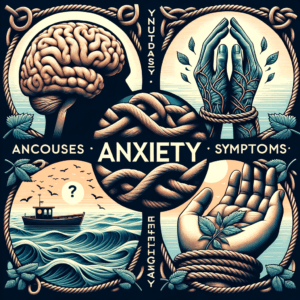
In the fast-paced world we inhabit today, change is not only inevitable but also relentless. Whether it’s advancements in technology, shifts in social norms, or personal transitions such as moving to a new city or changing jobs, these transformations often come with an undercurrent of anxiety. Anxiety isn’t just about fear; it’s a complex interplay between thoughts, emotions, and behaviors that can profoundly affect our daily lives.
To understand how anxious thoughts develop, we need to look at the psychological mechanisms that govern them. When faced with uncertainty or unfamiliar situations, our brains are wired to detect potential threats. This evolutionary trait served us well in ancient times when survival depended on being alert to dangers like predators and hostile tribes. In modern contexts, this heightened state of vigilance can sometimes turn into chronic anxiety without any immediate life-threatening risks.
Consider a common scenario: you’re about to start a new job. While excitement might be present, the thought of meeting new people, learning unfamiliar tasks, and performing well in your role can generate anxious thoughts. These initial worries—what if I make mistakes? What if nobody likes me?—are typical reactions to an unknown situation where outcomes are uncertain. Over time, these fleeting concerns can escalate into more persistent anxiety as you keep replaying worst-case scenarios.
Anxiety often manifests through a cycle of negative thought patterns known as cognitive distortions. These include catastrophizing (predicting the worst possible outcome), overgeneralization (seeing a single negative event as part of an endless pattern of defeat), and all-or-nothing thinking (believing that if one thing goes wrong, everything else will too). Missing a deadline might lead you to think, “I’ll never be able to do anything right.” This type of thinking can intensify feelings of anxiety, making it harder for you to break free from this cycle.
Emotionally, these anxious thoughts create tension and unease. You may feel physically symptomatic with headaches, muscle tension, or gastrointestinal issues. Emotions tied to fear and worry can be overwhelming, leading to a state where you might avoid situations that trigger anxiety just to escape discomfort. This avoidance can then reinforce your belief in the danger of those situations, perpetuating a vicious cycle.
Behaviorally, anxiety often leads to actions aimed at minimizing distress. People might procrastinate on tasks they find challenging or engage in excessive planning and reassurance-seeking behaviors. You may spend an hour double-checking emails before sending them out because you’re terrified of making a mistake that could harm your professional reputation.
It’s crucial to understand that anxiety is not always irrational. In certain situations, it can serve as a protective mechanism, alerting us to potential dangers and prompting us to take precautions. When these feelings become excessive or persist beyond the immediate threat, they begin to interfere with our daily functioning.
Anxiety also has roots in past experiences. If you’ve had negative encounters with authority figures in school, you might develop anxiety around similar interactions later on in life. The pain and fear associated with those memories can subconsciously influence how you perceive new situations. This is why some people may feel anxious about public speaking not because of the current situation itself but due to an unresolved issue from a past presentation that went poorly.
To manage this, it’s helpful to adopt strategies that break down the cycle of anxiety. Mindfulness practices, such as meditation or yoga, can help you stay present and observe your thoughts without judgment. Cognitive-behavioral techniques encourage questioning and challenging negative thought patterns rather than accepting them at face value. Exposure therapy—gradually facing feared situations in a controlled way—is another method that helps desensitize individuals to their triggers over time.
Understanding anxiety involves recognizing it as an intricate system of thoughts, emotions, and behaviors rather than just a singular emotion or reaction. By acknowledging its complexity and adopting healthy coping mechanisms, we can better navigate the uncertainties life throws at us while maintaining our mental well-being.
Living with anxiety doesn’t mean living in fear; it means learning to manage and transform your relationship with it. Embrace changes as opportunities for growth rather than threats to stability. Remember, change is a constant force that challenges us but also pushes us towards new possibilities. By accepting this reality, you can develop resilience and find peace amidst the chaos of everyday life.