
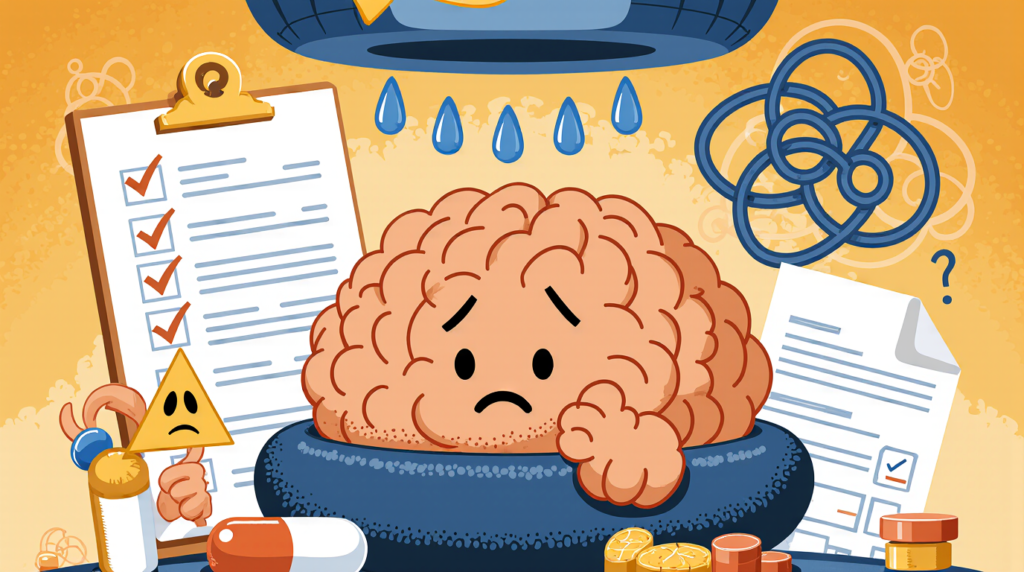
Mental overload occurs when the brain is consistently overwhelmed by an array of thoughts and tasks, leaving little room for rest and recovery. Imagine the mind like a computer that processes data. When it is continuousl
Posts published in “When the Mind Needs Attention”
This section focuses on moments when the mind is struggling and needs care.
Here we explore experiences like anxiety, depression, burnout, emotional distress, and mental overload from a human perspective — not to label people, but to help them understand what they’re going through and why attention and support matter.
Consider the scenario of someone constantly comparing themselves to idealized images on social media. The curated lives presented online create unrealistic standards that demand perfection in appearance, success, and rel
Imagine sitting at your desk, staring at a screen filled with emails, notifications, and social media updates. Each new message or notification seems to grab your attention, pulling you away from the task at hand. This c
The phenomenon of sudden emotional swings without explanation can feel bewildering and disorienting, often leaving individuals feeling both perplexed and vulnerable. This experience is closely tied to the intricate inter
At its core, avoiding conflict can lead to a perpetual state of heightened vigilance and emotional regulation. The mind becomes preoccupied with potential conflicts or threats, making it difficult to focus on other aspec
The roots of this emotional exhaustion often lie in environments where constant stimulation or neglect takes place. In a workplace, relentless pressure to meet unrealistic deadlines, engage with unyielding negativity, or
Mental overload and constant stimulation are common in today’s fast-paced world. The relentless stream of information, whether from social media, work demands, or personal worries, can fragment our attention and deplete
Mental overload is a common consequence of repressed anger. When individuals constantly suppress their feelings, they create a backlog of unexpressed emotions. This backlog manifests as a constant mental stimulus, which