
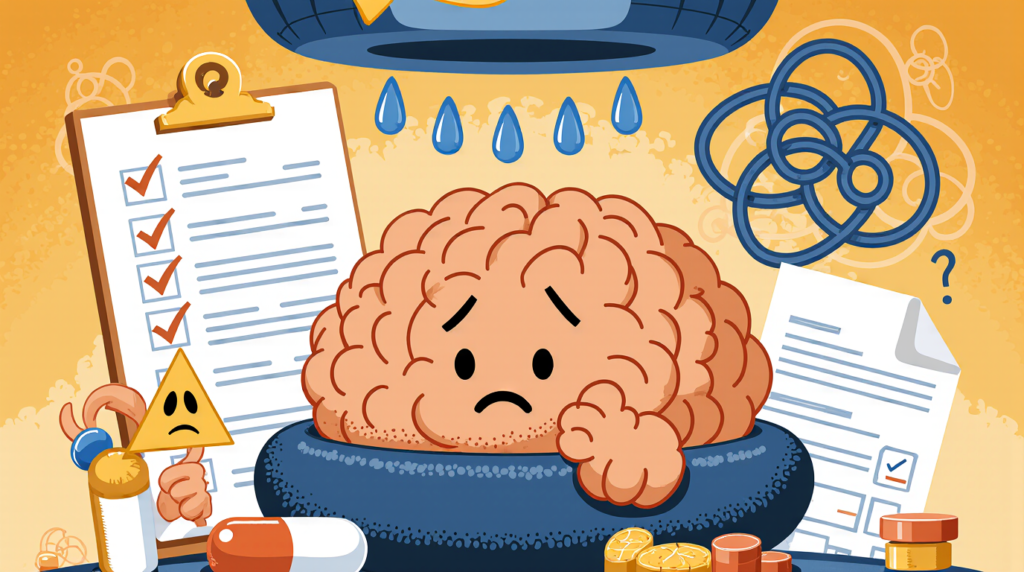
At its core, mental energy is the capacity to process information, make decisions, engage in complex tasks, and maintain emotional balance. When this energy is consistently overtaxed, it can lead to a state where even th
Posts published in “Mind and Emotional Health”
A space dedicated to understanding the human mind, emotional health, and mental well-being. Here we explore how the brain and mind function, the challenges people face when mental health is affected, and the everyday practices that support a balanced and resilient inner life.
In the intricate web of human emotions, there is an inherent drive to protect oneself from harm. This instinct, deeply rooted in survival and well-being, often manifests as a defense mechanism against emotional pain or m
At its core, internal conflict manifests as a battle between different parts of oneself—wishes, fears, desires, and responsibilities—that are in perpetual tension. This never-ending conflict can be exhausting and debilit
Mental overload, a state where the mind is consistently burdened with excessive thoughts, emotions, or responsibilities, can profoundly affect sleep patterns. This constant mental strain can lead to heightened stress lev
Mental overload occurs when we are bombarded with a relentless stream of stimuli—emotional, cognitive, or sensory—that our mind struggles to process. Imagine standing in a busy street where every second is filled with si
Mental overload can manifest as an insidious, constant background noise that permeates everyday life. This persistent state of worry often begins subtly, with fleeting concerns that seem to spring up out of nowhere. As t
In the fast-paced environments of today's world, individuals often find themselves grappling with a persistent sense of emotional strain. This phenomenon, commonly referred to as "emotional overload," can be described as
Long-term pressure can be a subtle, insidious force that gradually chips away at one's psychological well-being. It is rooted in the relentless nature of mental overload, constant stimulation, and emotional neglect, each