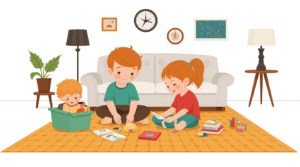
The intricate tapestry of human emotions, particularly those woven through the experience of parenting and specifically the nuanced act of building authority through respect rather than fear, reveals itself as both a complex challenge and an enlightening journey. This exploration aims to delve into the psychological undercurrents that characterize this approach within the context of child rearing. At its core lies the central tension between asserting one’s influence without resorting to intimidation or coercion—a path fraught with subtle yet profound contradictions.
In the realm of parenting, respect as a foundational principle operates on multiple levels. It demands not only an acknowledgment but also an active engagement in understanding and validating the emotions, thoughts, and experiences of the child. Yet this respect must coexist with clear boundaries and expectations—two elements that can sometimes appear at odds within the fabric of authority-building.
One significant contradiction revolves around how to establish a balance between permissiveness and guidance. Allowing children freedom to explore and make choices fosters independence and self-confidence. Overly permissive parenting risks creating an environment where boundaries are unclear or non-existent. Strict adherence to predetermined rules without room for negotiation can lead to rebellion and resentment as the child feels suffocated by a lack of autonomy.
The concept of authority through respect challenges traditional notions of control, urging parents to adopt more relational strategies rather than dictatorial ones. It mandates that parents see their role not merely in commanding compliance but also in fostering dialogue and mutual understanding. This shift requires an emotional intelligence that allows for flexibility yet maintains firmness when necessary—a delicate dance that can be both exhilaratingly rewarding and deeply challenging.
The implementation of respect-based authority necessitates a constant reassessment of parental behaviors and attitudes towards their children’s needs and desires. It involves recognizing that every child is unique with distinct personalities and developmental stages requiring tailored approaches to discipline and guidance. This adaptability demands ongoing self-reflection on the part of parents, as they navigate the terrain between maintaining authority and respecting individual differences.
The emotional presence required for this approach cannot be overstated. Parents must model empathy, patience, and understanding while setting limits. This balance is not easily achieved; it requires a deep-seated commitment to nurturing secure attachment bonds which are vital for healthy development. Such an investment in the child’s well-being involves recognizing their inherent worth as individuals deserving of dignity and respect.
Consistency also plays a crucial role here. Consistent application of rules, coupled with responsiveness to individual circumstances, ensures that children understand what is expected from them without feeling constantly under scrutiny or undervalued. Yet achieving this balance between consistency and flexibility remains elusive; it demands vigilance in managing the fine line between stability and adaptability.
The psychological implications extend beyond mere behavioral outcomes into realms of self-esteem and identity formation. Respecting a child’s autonomy nurtures their sense of self-worth, encouraging them to develop resilience and confidence. Fear-based authority can undermine these qualities by fostering feelings of inadequacy or constant anxiety about disapproval. The path towards building true respect involves not only instructing but also validating.
In reflecting on this approach, it becomes evident that its success hinges significantly upon parents’ willingness to confront their own internal biases and insecurities. Often, authority figures who rely heavily on fear do so because of unresolved personal issues or a lack of self-assurance. By shifting towards respectful discipline, they are essentially engaging in personal growth alongside their children.
This method fosters an environment where open communication is encouraged, leading to healthier relationships not just between parent and child but also within the broader family dynamics. It encourages transparency and honesty, breaking down barriers that might otherwise lead to misunderstandings or conflicts based on hidden agendas or unspoken fears.
The challenge of building authority through respect rather than fear extends beyond immediate familial interactions into societal norms and values. As children internalize these principles early in life, they become more likely to adopt compassionate leadership styles in adulthood, contributing positively to community dynamics. This ripple effect underscores the broader significance of such parenting practices extending far beyond individual households.
While building authority through respect presents a pathway towards healthier family relationships and societal interactions, it is fraught with complexities that require continual effort and self-awareness from parents. The journey demands a commitment to emotional intelligence, adaptability, consistency, and genuine empathy—traits that are essential not only for effective parenting but also for fostering individuals capable of navigating life’s challenges with grace and resilience. As this approach continues to evolve within the broader context of child development theories, its potential for positive transformation remains vast and promising.
Related Reading
– Charles Fay – Love and Logic Parenting
– Thomas Gordon – Parent Effectiveness Training