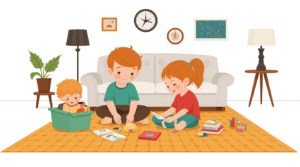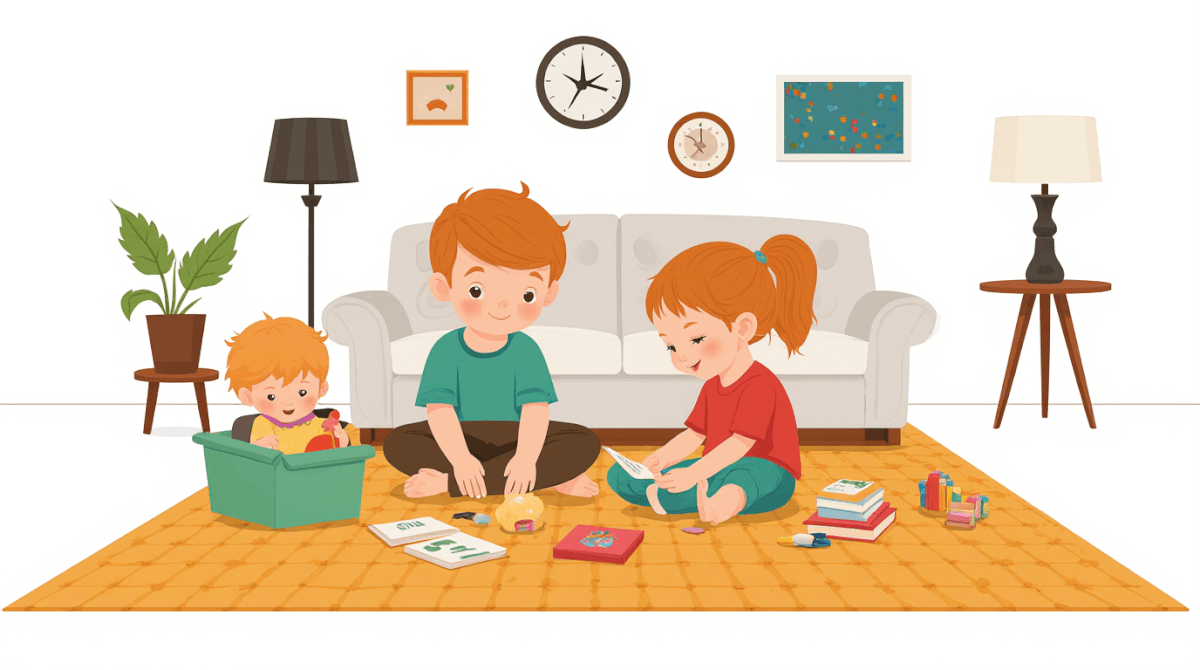
In the quiet corners of our homes, where everyday interactions weave a complex tapestry, lies the foundation upon which children build their emotional and psychological resilience. The warmth of a parent’s embrace, the steadiness of a routine, and the support of family bonds all play pivotal roles in shaping a child’s world. These simple yet profound elements create an environment that nurtures confidence, helps manage emotions, and fosters a sense of safety that lasts a lifetime.
Let’s consider the role of affection first. A hug, a pat on the back, or a gentle touch can be more than just physical; they are messages of love and acceptance. When children receive consistent and genuine affection, they begin to understand that their worth is not measured by achievements or perfection but by the simple fact of being loved. This emotional security acts like a buffer, helping them weather the storms of life with more resilience. When you see your child struggling with a new task, a reassuring hug followed by encouragement can be incredibly empowering. It sends a clear message: “You are safe and valued, no matter what.”
Consistency is another cornerstone in this emotional construction. A predictable daily routine—such as reading a bedtime story every night or having dinner together each evening—sets a rhythmic pattern that children come to rely on. This predictability provides a sense of stability and control, which can be particularly comforting for young minds. If you establish a weekly family game night, your child will learn to expect and anticipate these moments. Over time, this predictability can contribute to better emotional regulation, as they begin to understand how to navigate the world around them.
Support from family members is perhaps the most crucial ingredient in a child’s emotional growth. A child’s confidence is built when they feel understood and supported. Whether it’s helping with homework, cheering them on during a game, or simply lending an ear, these acts of support affirm that you believe in their abilities and will stand by them through both successes and failures. If your child is learning to ride a bike, the encouragement and help provided can significantly boost their self-esteem. Each time they take a step forward, with your support, they internalize the message that they are capable and worthy.
Structure within the family unit also plays a vital role in psychological development. A well-structured environment provides clear expectations and boundaries, which children need to feel secure and understand what is expected of them. Setting up a chore rotation or a designated time for homework can teach children responsibility and organization. These structured activities help children develop a sense of order and discipline that translates into other areas of their life.
It’s worth noting that these elements are not isolated; they interact and support each other in a dynamic system. Consistent affection, often comes hand in hand with a supportive structure. When a child feels loved and understood within a predictable routine, they are more likely to develop the confidence needed to explore and take on new challenges.
The emotional and psychological development of children is deeply intertwined with their social and cultural contexts. Family values, traditions, and community norms all shape how children perceive themselves and the world around them. In a family that emphasizes teamwork and cooperation, children might develop a stronger sense of empathy and social connection. Similarly, in a culture that values education and hard work, children might internalize the importance of academic achievement and perseverance.
The daily interactions within a family create an environment where children’s emotional and psychological development flourishes. Through affection, consistency, support, and structure, families build a safe haven for their children to explore, grow, and thrive. Each act of kindness, every routine established, and each moment of shared joy contributes to the tapestry of a child’s emotional world, laying the groundwork for a strong and resilient future.