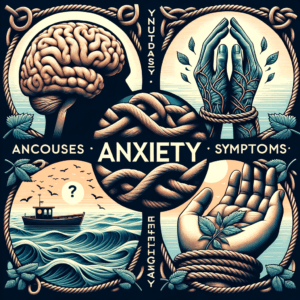
Anxiety is an intricate emotional experience that often disrupts the smooth functioning of daily life, making it difficult for individuals to navigate through their routines and relationships. At its core, anxiety involves a heightened state of worry, fear, and anticipation of negative outcomes, which can significantly impact one’s thoughts, emotions, and behaviors. This complex interplay between mental processes and external circumstances creates a challenging environment in which the sufferer often feels trapped within their own anxious mind.
Anxiety tends to develop gradually, often starting with minor worries that escalate into more pervasive concerns over time. Someone might initially feel nervous about an upcoming meeting at work but then start envisioning worst-case scenarios such as losing their job or facing social humiliation. This cycle of escalating worry can quickly overwhelm a person’s ability to think clearly and make rational decisions, leading them to avoid situations that could potentially trigger anxiety.
In everyday life, the manifestations of anxiety are varied and profound. Someone dealing with financial stress might find themselves constantly checking bank statements and budgeting meticulously to the point where it consumes their thoughts during other activities like spending time with family or pursuing hobbies. The fear of failure or making mistakes can also paralyze decision-making processes, leaving individuals feeling stuck and unable to move forward in personal or professional spheres.
Understanding anxiety involves recognizing its roots in both cognitive patterns and emotional states. Cognitive psychologists highlight the role of negative thought patterns known as “cognitive distortions,” which are exaggerated or irrational thoughts that contribute to heightened stress levels. These might include catastrophizing, where one assumes the worst possible outcome from a situation, or all-or-nothing thinking, where everything is seen in absolute terms without any middle ground.
Emotionally, anxiety can create a sense of pervasive unease and dissatisfaction with life circumstances. People experiencing anxiety often report feeling restless, on edge, and unable to relax, even during leisure activities that once brought them joy. This emotional turbulence can strain relationships as individuals might become irritable or withdrawn due to the constant presence of worry.
Anxiety frequently manifests in physical symptoms, reflecting its deep connection with the body’s stress response system. Common physical manifestations include muscle tension, headaches, and gastrointestinal issues such as nausea and diarrhea. These bodily reactions underscore how deeply intertwined psychological distress is with physiological responses, creating a feedback loop that exacerbates both mental and physical discomfort.
The impact of anxiety on individuals extends beyond personal well-being to affect their social and professional lives. Anxious thoughts can lead to avoidance behaviors where people might steer clear of situations they perceive as threatening or stressful. This could mean skipping important meetings, declining invitations to social events, or neglecting responsibilities at work or home. Over time, such avoidant patterns can erode one’s sense of self-efficacy and contribute to feelings of isolation and helplessness.
Navigating the complexities of anxiety requires patience and self-awareness. It is crucial to recognize that experiencing anxious thoughts does not define a person but rather presents an opportunity for growth and understanding. Acknowledging that anxiety is a common human experience can also foster empathy towards oneself and others who may be going through similar struggles. Engaging in activities that promote relaxation, such as mindfulness practices or engaging hobbies, can provide temporary relief from the grip of anxious thoughts.
While anxiety presents significant challenges, it also offers insights into personal strengths and vulnerabilities. By embracing a compassionate approach to one’s mental health, individuals can begin to unravel the layers of anxiety and work towards more balanced emotional states. It is through this journey of self-discovery and acceptance that people can regain control over their thoughts and behaviors, paving the way for a healthier and more fulfilling life.
Understanding anxiety in depth allows us to approach it with greater clarity and compassion, recognizing its multifaceted nature and the profound impact it has on individuals’ lives. This insight is crucial not only for those directly affected by anxiety but also for friends, family members, and communities aiming to support anxious individuals in their journey towards well-being.