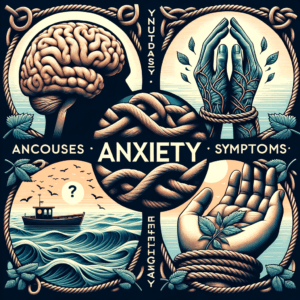
Anxiety is a complex emotional response that has been ingrained in human behavior since ancient times as a survival mechanism designed to protect us from danger. When faced with potential threats, whether they are physical dangers or more modern-day stressors like work deadlines and social pressures, anxiety triggers a series of physiological changes aimed at preparing the body for immediate action—either to confront the threat or flee it.
In prehistoric times, these responses were crucial for survival. Imagine our ancestors out on a hunting expedition, suddenly spotting a saber-toothed tiger in the distance. Anxiety would kick in instantly, causing their hearts to race and palms to sweat as they prepared to either fight back or run away. Today, while we rarely encounter such life-threatening situations, anxiety still manifests similarly when confronted with stressful circumstances.
When anxiety strikes, several physiological reactions occur almost immediately. The body’s hair may stand on end, making the individual appear larger and more intimidating to potential threats. Sweating in the hands and feet helps provide better grip for climbing or running. Adrenaline surges through the bloodstream, providing an instant boost of energy that can be crucial in high-stress situations. The digestive system temporarily shuts down as resources are redirected towards muscles, enhancing strength and stamina.
Under extreme conditions, the body might even expel waste to reduce weight, making it easier to flee from danger. Breathing becomes more rapid and shallow while heart rate increases significantly. Vision and hearing become heightened, allowing for a clearer perception of immediate surroundings. Psychologically, discomfort and agitation set in, urging individuals to take swift action.
These responses were highly adaptive when our ancestors faced imminent physical dangers, but they can be problematic in contemporary contexts where the triggers are often less tangible or manageable through direct action. If you’re late for work and stuck in heavy traffic, your anxiety might feel overwhelming, yet there’s no practical way to fight the situation or escape it by running away.
In such scenarios, anxiety can escalate into a disorder when it becomes chronic and debilitating, interfering with daily life rather than aiding in survival. The feelings of unease and agitation persist regardless of whether immediate threats are present or not. This can lead to persistent avoidance behaviors, increased heart rate and sweating even without physical exertion, heightened vigilance, and an overall sense of dread.
Understanding the roots of anxiety is crucial for coping with it effectively. When we feel anxious about a looming deadline at work, our body mimics the same fight-or-flight response as if we were facing a wild animal. Our senses sharpen, adrenaline surges, and we become hyper-focused on the task at hand. Unlike prehistoric threats where such responses could literally save lives, modern triggers like traffic jams or deadlines do not require physical action.
This mismatch between our biological programming and contemporary life challenges can lead to prolonged states of anxiety that interfere with daily functioning. While a little bit of nervous energy might help us meet pressing deadlines, chronic anxiety disrupts sleep patterns, reduces concentration, and affects interpersonal relationships.
The psychological aspect of anxiety plays a significant role in its persistence. Thoughts become cyclical and negative, feeding into each other and creating a spiral of worry and fear. If someone is anxious about giving a presentation at work, their mind might race with thoughts like “What if I forget what to say?” or “Everyone will think I’m incompetent.” These thoughts can be so overwhelming that they overshadow the actual event itself.
Coping mechanisms such as deep breathing exercises, mindfulness practices, and regular physical activity can help manage these physiological responses. Additionally, recognizing and challenging negative thought patterns through cognitive behavioral techniques is essential for breaking free from anxiety’s grip. Instead of dwelling on worst-case scenarios, it’s beneficial to focus on practical steps that can be taken to address the situation at hand.
It’s important to acknowledge that while anxiety serves a purpose in dangerous situations, its presence in everyday life can become debilitating and requires understanding rather than immediate solutions. By exploring the psychological and emotional mechanisms behind anxiety, individuals can better navigate their daily challenges and find ways to live more comfortably with this innate but often misunderstood response.