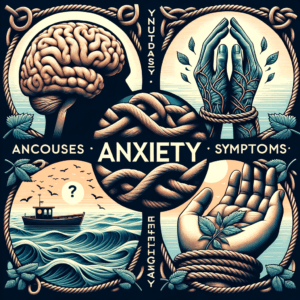
Understanding anxiety involves delving into the intricate interplay between our thoughts, emotions, and behaviors. Anxiety is often characterized by a pervasive sense of worry, dread, or unease that can become overwhelming. It isn’t just about being nervous; it’s a complex emotional experience rooted in how we perceive threats and uncertainties.
At its core, anxiety develops from a series of negative thought patterns and cognitive distortions. These mental habits create an environment where small issues seem much more significant than they are, making everyday life feel fraught with danger. Someone might worry excessively about the possibility of losing their job due to minor workplace incidents or misunderstandings. This exaggerated fear can spiral into a full-blown anxiety episode as the person fixates on the worst possible outcomes and feels powerless to prevent them.
One common mechanism behind anxious thoughts is catastrophizing—the tendency to envision the most dire consequences in any given situation. If someone has an important presentation at work, they might imagine every potential mishap: forgetting key points, encountering technical difficulties, or receiving harsh criticism from colleagues and superiors. This kind of thinking can be debilitating, turning a manageable event into a source of constant distress.
Another critical aspect is the emotional impact these thoughts have. When we catastrophize, our emotions naturally mirror the intensity of our fears. Anxiety often triggers feelings of unease, tension, or dread, which can manifest physically as well, leading to symptoms like heart palpitations, sweating, and nausea. These physical sensations can further reinforce anxious thinking because they are perceived as additional evidence that something bad might happen.
Behaviorally, anxiety tends to encourage avoidance as a coping mechanism. The person may start to steer clear of situations or activities that trigger their fears. This could mean skipping social gatherings, avoiding public speaking opportunities, or even staying away from places where they have felt anxious before. While avoidance initially provides temporary relief, it can exacerbate the problem by reinforcing the belief that these situations are inherently dangerous and must be avoided at all costs.
Anxiety can disrupt daily life in profound ways. Simple tasks like going to work, socializing with friends, or even getting out of bed might feel insurmountable due to persistent worries. Over time, this cycle of avoidance and distress can erode a person’s sense of self-efficacy and confidence, leading them to question their ability to handle life’s challenges.
It is crucial to recognize that anxiety isn’t just about being worried; it involves a complex web of negative thoughts, heightened emotional responses, and behavioral patterns that work together to maintain the anxious state. Someone might wake up feeling anxious about the day ahead because they have already spent hours ruminating on past failures or imagining future disasters.
Anxiety can also affect personal relationships and overall quality of life. The constant worry and avoidance behaviors can strain connections with loved ones and friends, creating a sense of isolation. Social interactions that used to be enjoyable might now feel stressful or overwhelming. This dynamic can lead to feelings of loneliness and further emotional distress, perpetuating the cycle of anxiety.
Understanding these mechanisms helps in recognizing how deeply rooted anxious thoughts are within our cognitive processes and emotional responses. While it’s natural to seek immediate solutions like medications or quick fixes, addressing anxiety often requires a more holistic approach that acknowledges its psychological roots.
Engaging in mindfulness practices can help individuals become more aware of their thought patterns without immediately reacting to them. Mindfulness encourages observing thoughts as they arise and letting go of the urge to engage with every worry that pops into one’s mind. This technique can reduce the intensity and frequency of anxious thoughts over time by fostering a different relationship with mental stimuli.
Additionally, cognitive-behavioral techniques aimed at challenging negative thought patterns offer practical strategies for managing anxiety. By questioning the validity of catastrophic thinking and reframing worries in more realistic terms, individuals can gradually lessen their grip on anxious narratives.
Living with anxiety is challenging, but it’s important to remember that there are ways to cope beyond medication or immediate fixes. Building resilience through therapy, self-help practices, social support networks, and lifestyle adjustments can significantly alleviate the burden of anxiety over time. The journey toward managing anxiety involves understanding its intricacies and developing a multifaceted approach to navigate its complexities.
In summary, anxiety is not just about fear but an intricate web of thoughts, emotions, and behaviors that need to be understood on a deeper level for effective management. By recognizing how negative thought patterns fuel anxious experiences and learning techniques to address these mechanisms, individuals can begin to reclaim control over their lives despite the presence of anxiety.