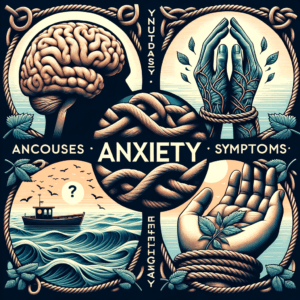
Anxiety can feel like an overwhelming presence, often creeping into moments when you least expect it. It’s that nagging voice inside your head telling you something is wrong, even if there’s no clear evidence of danger. This inner dialogue can escalate quickly, influencing not only how you think but also how you behave and interact with the world around you.
The development of anxious thoughts often stems from a combination of factors—past experiences, genetic predispositions, and current life stresses. Someone who has faced significant challenges in their past might find themselves more prone to anxiety because they have learned to anticipate negative outcomes. This anticipation can become a self-fulfilling prophecy, where the expectation of something going wrong actually increases the likelihood that it will.
Imagine you’ve just started a new job and are acutely aware of every small mistake or oversight. Each time you make an error, your mind might spiral into thoughts about being fired or failing to meet expectations. This pattern of thinking can create a cycle where fear and worry perpetuate themselves, making it difficult to break free from the anxiety.
The psychological mechanisms behind anxious thoughts often involve cognitive distortions—patterns of thinking that skew reality in a negative direction. You might engage in all-or-nothing thinking (seeing situations as black or white with no middle ground), overgeneralization (drawing broad conclusions based on a single event), or catastrophizing (anticipating the worst possible outcome). These distortions can make even minor issues seem monumental and insurmountable.
Emotions also play a crucial role in anxiety. When faced with stress, your body releases hormones like cortisol and adrenaline, which prepare you for fight-or-flight responses. In the short term, these reactions are helpful; if they persist due to constant anxious thoughts, they can lead to chronic physical symptoms such as headaches, muscle tension, and insomnia.
Behavioral patterns further reinforce anxiety by limiting exposure to feared situations. Someone who is terrified of social gatherings might avoid attending them altogether. This avoidance may provide temporary relief but ultimately reinforces the belief that these events are dangerous or intolerable, making future encounters even more challenging.
Understanding how anxious thoughts develop helps in recognizing the subtle ways they influence your daily life. Consider a common scenario: you’re planning to attend a party where you’ll meet new people. Instead of focusing on the excitement and possibilities, your mind might immediately jump to worst-case scenarios—such as forgetting something important or making a social blunder that embarrasses you.
This type of thinking can quickly escalate into panic, leading you to cancel plans altogether. While avoiding the situation may temporarily alleviate anxiety, it does little to address the underlying fear and can make future interactions more daunting. Instead of reacting this way, recognizing these patterns early on can help you manage your thoughts and emotions more effectively.
It’s important to note that everyone experiences anxious moments from time to time. The key difference lies in how one deals with these feelings. Some people might find solace in hobbies like reading or listening to music, while others may benefit from engaging in physical activities such as walking or swimming. These strategies help divert attention away from negative thoughts and engage the mind elsewhere.
Relaxation techniques play a vital role in managing anxiety. Practices like yoga combine physical movements with breathing exercises and meditation, creating an environment where you can focus on calming your body and mind. By practicing regularly, individuals often report reduced symptoms of anxiety over time.
Understanding the psychological and emotional mechanisms behind anxiety is essential for developing effective coping strategies. Recognizing how anxious thoughts develop and impact behavior allows us to approach these feelings with greater awareness and self-compassion. While there’s no one-size-fits-all solution, exploring various methods such as relaxation techniques can provide significant relief and improve overall well-being.
By acknowledging the complexity of anxiety without dismissing it, we take a step towards managing its impact more effectively in our lives.