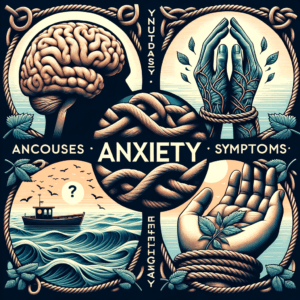
Anxiety is a ubiquitous experience that most adults encounter at some point in their lives. It serves as an evolutionary mechanism designed to alert us to potential dangers and ensure our survival. In today’s fast-paced world, this ancient warning system often malfunctions, triggering anxiety even when there are no immediate threats.
Imagine waking up one day feeling a gnawing unease that persists throughout the day, making it difficult to concentrate on work or engage with loved ones. This persistent worry can be triggered by everyday tasks and responsibilities that once seemed manageable. Planning a social event might suddenly feel overwhelming, not because you lack the skills to organize it, but because an undercurrent of anxiety makes every detail seem insurmountable.
The roots of anxious thoughts often lie in our subconscious fears and past experiences. We may worry about financial stability, health issues, or personal relationships, all of which can contribute to a constant state of alertness that drains mental energy. These worries can manifest as intrusive thoughts or physical symptoms such as rapid heartbeat, sweating, or trembling.
Anxiety doesn’t just affect how we think; it also shapes our behavior and emotions. When anxiety strikes, many people retreat into isolation, avoiding situations that trigger discomfort. This withdrawal is a protective mechanism designed to shield us from perceived threats, but it can lead to further complications by reinforcing the belief that the outside world is too risky or threatening.
Consider someone who experiences severe panic attacks triggered by public speaking. The immediate response might be to cancel all presentations and avoid any situation where they have to speak in front of others. While this avoidance initially reduces anxiety, it also prevents the individual from learning coping strategies that could help manage these fears over time. This cycle can extend beyond specific triggers, affecting everyday activities like grocery shopping or attending social gatherings.
The emotional toll of anxiety is significant and often isolating. People suffering from severe anxiety might feel misunderstood by friends and family who cannot fully grasp the intensity of their experience. The inability to articulate what they are going through can deepen feelings of loneliness and inadequacy. These emotions can feed into a negative feedback loop, where increased isolation leads to heightened anxiety, creating an ever-tightening circle that is hard to break.
Understanding the mechanisms behind anxious thoughts is crucial in managing its impact on daily life. Often, anxiety stems from overestimating potential threats while underestimating one’s ability to cope with them. Recognizing this imbalance can be a starting point for change. When faced with a daunting task, instead of immediately dismissing it as impossible, try breaking it down into smaller, manageable steps.
One effective approach is mindfulness and meditation, which help individuals stay grounded in the present moment rather than being overwhelmed by future uncertainties. Techniques such as deep breathing or progressive muscle relaxation can also alleviate physical symptoms associated with anxiety, providing temporary relief that allows for clearer thinking.
Another important aspect of managing anxiety involves building a support network of understanding friends, family members, and professionals who can offer guidance without judgment. Sharing experiences with others who understand the challenges of living with anxiety can foster a sense of community and validation. This collective support system is vital in helping individuals feel less isolated and more capable of navigating their fears.
Overcoming anxiety involves recognizing that it’s a common human experience rather than a personal failure. By acknowledging its presence and working to understand its triggers, one can begin to reclaim control over daily life. This process may not be instantaneous or easy, but with patience and self-compassion, it is possible to develop strategies that mitigate the impact of anxiety.
In summary, while anxiety can significantly disrupt our lives, understanding its psychological and emotional roots offers a path toward greater resilience. By engaging in practices that promote mindfulness, building supportive relationships, and embracing personal growth, individuals can gradually reclaim their sense of control and well-being.