Anxiety is an intricate aspect of human psychology that often leaves people feeling overwhelmed and misunderstood. Despite its common occurrence, anxiety disorders are frequently discussed without delving into their complexity, leading to widespread misconceptions and inadequate support for those who experience them.
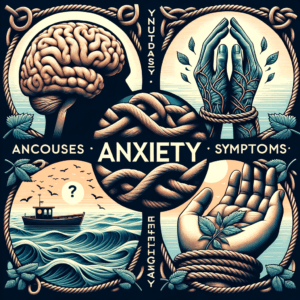
At its core, anxiety isn’t just fleeting nervousness; it’s a complex interplay between thoughts, emotions, and behaviors that can feel relentless and uncontrollable. The cycle often begins with anxious thoughts—irrational or exaggerated concerns about potential negative outcomes that spiral into an unyielding stream of fear-driven ideas. Someone might worry excessively about losing their job due to company restructuring, envisioning worst-case scenarios such as financial hardship and unemployment. These thoughts can be so persistent that they dominate daily life, overshadowing the present moment.
These anxious thoughts trigger a cascade of emotional distress. The constant worrying can lead to feelings of helplessness and despair, where an individual struggles with persistent anxiety even when there are no real threats looming. This mental anguish often manifests in physical symptoms like rapid heartbeat, sweating, trembling hands, and shortness of breath. These physiological reactions stem from the body’s fight-or-flight response being continuously activated, creating a sense of unease and confusion when no immediate danger is present.
The emotional impact of anxiety can be profound, leading to social isolation and withdrawal from activities that might trigger anxious thoughts or fears. People may avoid situations such as attending meetings where they have to speak up in public because these scenarios exacerbate their anxiety. This behavioral avoidance provides temporary relief but ultimately results in long-term negative consequences like missed opportunities for personal growth and decreased self-confidence.
Anxiety disorders rarely operate alone; they often intersect with other aspects of life, including relationships, work performance, and overall quality of life. Persistent anxious thoughts can erode an individual’s confidence and lead them to question their abilities and worthiness. Over time, this can result in a diminished sense of self and an inability to pursue personal goals or aspirations.
Understanding the multifaceted nature of anxiety is crucial for providing genuine support rather than superficial advice. Recognizing that anxiety involves intricate cognitive, emotional, and behavioral responses makes it easier to empathize with those who struggle with these challenges. This nuanced perspective fosters a more supportive environment where individuals feel safe discussing their mental health struggles without fear of judgment or misunderstanding.
Promoting knowledge over speculation is essential in breaking down the stigma associated with mental health issues. When public discussions are grounded in accurate information rather than misconceptions, it encourages people to seek help and support without hesitation. Creating an informed culture around mental health contributes positively to conversations about anxiety and other disorders, promoting empathy and understanding instead of judgment.
Anxiety is a complex condition that requires careful consideration and deep understanding. By approaching discussions with care and accuracy, we can contribute to a supportive environment where individuals feel validated and understood in their struggles. This approach not only aids those directly affected by anxiety but also helps society become more empathetic and informed about the challenges of mental health disorders.
In everyday situations, recognizing the signs of anxious thoughts and understanding how they influence emotions and behaviors is crucial for managing anxiety effectively. Someone might notice that their heart races before an important meeting or feel overwhelmed when planning a social event. Identifying these triggers and acknowledging them as part of a larger cycle can be the first step toward addressing anxiety in a meaningful way.
Understanding the emotional toll of anxiety helps individuals recognize why they might withdraw from social interactions or avoid situations that cause distress. The fear of judgment or failure can be paralyzing, leading to feelings of isolation and helplessness. By acknowledging these emotions, individuals can start to build resilience and find ways to manage their anxiety more effectively.
Addressing anxiety involves developing a holistic understanding of its psychological and emotional mechanisms. This includes recognizing the interplay between thoughts, emotions, and behaviors, as well as the impact on daily life and overall mental health. Through this approach, we can foster a more supportive and empathetic environment for those who struggle with anxiety, promoting greater awareness and compassion in our society.
By engaging in thoughtful dialogue about anxiety and its complexities, we move closer to breaking down barriers and fostering an understanding that truly supports individuals in their journey toward better mental health.