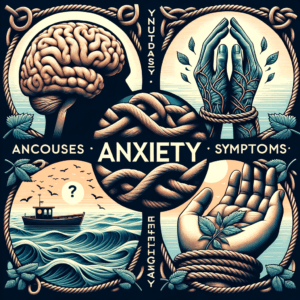
Anxiety is an intricate emotional experience characterized by a mix of fear, worry, and unease, often accompanied by physical symptoms like nausea and chest pain. It’s a complex emotion involving both cognitive and somatic elements, designed to prepare the body for potential threats in our environment. When anxiety strikes, physiological changes occur: heart rate increases, blood pressure rises, muscles receive more blood flow, while digestive functions slow down. These reactions are part of an evolutionary mechanism aimed at enhancing survival by preparing us to face or flee from danger.
People suffering from anxiety often experience a pervasive sense of dread that can significantly impact daily life. This emotional state triggers both voluntary and involuntary responses in the body, all geared towards averting harm. The hippocampus and amygdala, crucial brain regions, play pivotal roles in generating anxious feelings. When faced with potential threats, such as foul smells or tastes, increased blood flow to the amygdala signals a heightened state of alertness and anxiety.
Anxiety serves an important protective function, helping us avoid dangerous situations by making us hyper-aware of possible risks. When this emotion becomes excessive, it can lead to anxiety disorders—conditions that significantly disrupt daily functioning and well-being. These disorders encompass several subtypes including phobias, panic disorders, generalized anxiety disorder (GAD), and obsessive-compulsive disorder (OCD).
A person with a phobia feels an intense, irrational fear of specific objects or situations. This can lead to avoidance behaviors and significant distress in everyday life. Someone might avoid driving due to a fear of car accidents, even though the likelihood is minimal. Individuals with this condition often have vivid imaginations that exacerbate their fears.
Panic disorder involves recurring panic attacks marked by intense physical symptoms like dizziness or shortness of breath. These episodes typically peak within minutes and can be utterly debilitating, leaving sufferers feeling helpless and isolated. GAD, is characterized by persistent anxiety that isn’t linked to a specific trigger but rather pervades most aspects of life. It affects both men and women and can manifest as constant worry about various issues such as health, finances, or relationships.
Obsessive-compulsive disorder (OCD) involves repetitive thoughts (obsessions) and behaviors (compulsions) aimed at reducing anxiety. Common examples include excessive cleaning to combat germs or repeatedly checking that doors are locked. Individuals with OCD often feel compelled to perform these rituals to alleviate their distress, which can consume a considerable amount of time and interfere with daily activities.
Understanding the roots of anxious thoughts is crucial in managing this condition. Anxiety tends to arise from a combination of cognitive distortions and physiological reactions. Cognitive distortions are exaggerated or irrational thought patterns that skew perception and interpretation of reality towards negative outcomes. Someone might overestimate the likelihood of harm occurring in everyday situations, leading to persistent worry.
In day-to-day life, anxious thoughts can manifest as anticipatory concerns about future events, such as an upcoming presentation at work or a social gathering with new acquaintances. These worries often spiral into worst-case scenarios, making it difficult for individuals to relax and enjoy the present moment. The cycle of anxiety feeds off itself: negative thinking triggers physical symptoms like heart palpitations, which in turn fuel further anxious thoughts.
Living with chronic anxiety can be exhausting and isolating. Simple tasks might feel overwhelming, relationships may suffer due to irritability and avoidance behaviors, and overall quality of life diminishes as the grip of anxiety tightens. Recognizing that these feelings are a natural part of human experience is an important first step towards coping with them effectively.
Mindfulness practices such as meditation or deep breathing exercises can help individuals become more aware of their anxious thoughts without immediately reacting to them. Engaging in regular physical activity also supports mental well-being by releasing endorphins and reducing stress hormones. Additionally, maintaining a healthy diet and getting adequate sleep contribute significantly to managing anxiety levels.
The journey towards understanding and living with anxiety involves self-compassion and patience. It’s crucial to acknowledge that everyone experiences anxious moments, but how we respond to these feelings can make all the difference in our mental health journey. By developing a deeper awareness of the mechanisms behind anxiety, individuals can better navigate its challenges and find ways to lead more balanced lives.
While anxiety is an intrinsic part of human experience, it doesn’t have to dictate one’s life. Through understanding its psychological underpinnings and adopting healthy coping strategies, people can learn to manage their anxious thoughts and emotions more effectively. This process requires ongoing effort but offers the potential for significant improvement in overall mental health and quality of life.