Anxiety often creeps up unexpectedly, transforming everyday tasks into formidable challenges. Imagine coming home after a long day at work, eager for relaxation only to be greeted by another round of responsibilities—tidying up, doing dishes, or tackling laundry. These additional duties can feel overwhelming, intensifying feelings of anxiety and preventing you from truly unwinding.
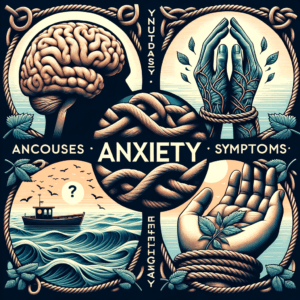
At its core, anxiety is a complex interplay between our thoughts, emotions, and behaviors. An anxious thought typically emerges when we project fear onto an uncertain future—a mental rehearsal of the worst-case scenario that drains emotional resources and keeps us disengaged from the present moment. While preparing dinner after a stressful day, you might find yourself worrying: “What if I make a mistake in tomorrow’s presentation?” or “How will I manage everything on my to-do list without dropping anything?” These thoughts can create dread and feel insurmountable.
Anxiety tends to develop through repetitive patterns of thought and behavior. When we perceive the world as threatening and unpredictable, our brain enters high alert mode, releasing stress hormones like cortisol and adrenaline. Over time, this cycle becomes habitual, making it challenging to break free from anxious thoughts without deliberate effort. The fight-or-flight response is designed for immediate danger but can become problematic when repeatedly triggered by everyday stressors.
Our emotional responses also play a significant role in the development of anxiety. Feelings such as inadequacy, fear of failure, and an overwhelming sense of responsibility can escalate anxiety levels. If your self-worth is tied to your performance at work, any perceived shortcomings might lead to heightened stress and worry. The more we dwell on these negative emotions, the more deeply they become entrenched in our psyche.
Behavioral patterns further reinforce anxious thinking. Avoidance behaviors like procrastination or postponing tasks may offer temporary relief but ultimately exacerbate anxiety by preventing resolution of underlying issues. Engaging in challenging activities can foster resilience and decrease feelings of vulnerability. Instead of avoiding public speaking opportunities at work due to fear of embarrassment, actively participating can build confidence and diminish those fears over time.
One coping mechanism for anxiety involves the comfort provided by pets or natural sounds like bird songs and dolphin vocalizations. Research suggests that interactions with animals and exposure to calming auditory stimuli can lower blood pressure, soothe emotions, and increase endorphin release—natural painkillers in our body. These effects highlight the importance of incorporating soothing elements into daily routines as a way to manage stress.
While these methods offer temporary relief, they do not address the root causes of anxiety. Developing a deeper understanding of how thoughts and emotions influence anxious feelings is crucial for long-term management. Practicing mindfulness meditation can help individuals become more aware of their thought patterns and learn to observe them without judgment. By doing so, people can gradually replace negative self-talk with positive affirmations and realistic expectations.
Anxiety is not just about external events but also how we perceive and respond to those events. While coping mechanisms like spending time with pets or listening to soothing sounds offer temporary relief, addressing the underlying psychological factors through self-reflection and mindfulness can lead to more sustainable improvements in emotional well-being.
Recognizing anxiety as a signal for change rather than an obstacle to be overcome can empower us to navigate life’s challenges with greater resilience and clarity. By understanding how our thoughts shape anxious emotions and behaviors, we can work towards breaking the cycle of fear and uncertainty that often accompanies anxiety. This deeper insight allows us to transform anxious moments into opportunities for personal growth and emotional stability.
To better manage anxiety, it is essential to explore the intricate connections between our thoughts, emotions, and behaviors. Anxiety thrives on a sense of threat and unpredictability, making it critical to challenge these perceptions through reflection and mindfulness. By acknowledging that anxiety serves as a signal for change, we can turn moments of distress into opportunities for growth and emotional resilience.