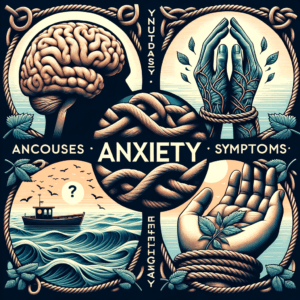
Anxiety, particularly in its early stages like separation anxiety in infants, is a profound emotional experience that both parents and children navigate through. The moment my son would light up with joy at the sight of me, even while held by someone else, was an intense reminder of how deeply our bond had been formed. His cries for attention seemed less about distress and more about a fundamental need for connection—a bond that reassured him he wasn’t alone in the world.
As my child grew older, his separation anxiety took on new forms. On mornings when I needed to leave for work, there were times when he wouldn’t cry as expected; instead, he would focus intently on the spinning wheels of our car. This observation highlighted how each child copes with anxiety differently, often finding solace in their own unique ways. His fascination with the moving wheels provided a distraction from my absence, but it also left me feeling bittersweet knowing that I couldn’t always be there to comfort him directly.
Sleep was another battleground where separation anxiety made its presence known. My son would wake up repeatedly during the night, crying out for me if he sensed my absence. In these moments, his cries echoed a primal need for security and warmth. Breastfeeding in the middle of the night became more than just a way to soothe him; it was a ritual that reinforced our bond and provided comfort during times when he felt most vulnerable.
Breastfeeding at night wasn’t always easy or convenient, but it was undeniably effective. It offered immediate reassurance and physical closeness, helping my son transition back into sleep without the anxiety of being alone. The act itself seemed to strengthen his sense of security, making him more resilient in the face of temporary separations.
The emotional impact of these moments is profound for parents too. Watching your child struggle with separation can evoke a mix of emotions—compassion, frustration, and a deep longing to protect them from discomfort. Yet, it’s crucial to understand that anxiety during early development phases like this is both normal and necessary. It’s through navigating these challenges that children learn resilience and independence.
As my son grew older, his need for physical proximity lessened, but the underlying emotional connection remained strong. This phase of intense separation anxiety, while challenging, was also a reminder of our deep bond. The memories of those moments when he would cry out for me in the night or cling to me when I needed to leave were powerful reminders of the early stages of our relationship.
Reflecting on these experiences, it’s clear that separation anxiety serves as a poignant marker of growth and change. It’s a phase where parents and children alike are learning and adapting, sometimes reluctantly but always profoundly. The strategies I employed—like reassuring my son that I would return when he was in distress—were not just about calming him down; they were about building trust and understanding.
In the broader context, these early experiences of separation anxiety are a microcosm of how we manage anxiety throughout life. Just as my son found solace in simple comforts like breastfeeding or watching moving car wheels, adults too find ways to cope with their anxieties through routines, support systems, and personal rituals that provide comfort.
Understanding the roots of anxiety—whether it’s separation anxiety in children or adult concerns about health, relationships, or work—helps us approach these emotions with more compassion. Anxiety is a natural response to uncertainty, signaling our brain to be alert and cautious. For my son, those moments of distress were part of his journey toward greater independence. For me, they were opportunities to deepen the bond we shared.
While separation anxiety can feel overwhelming for both parents and children, it’s important to recognize its significance in emotional development. These early experiences lay the groundwork for resilience and self-reliance later on. By acknowledging the complexity of these emotions and supporting each other through them, we create a foundation of trust that sustains us through life’s challenges.