When faced with challenges or adversities, many of us instinctively brace ourselves for an impending battle. Whether it’s a cold like mine or more complex life issues such as work stress, relationship conflicts, or personal health concerns, the initial reaction is often one of resistance and fight-or-flight mechanisms. Yet, there’s another way to approach these challenges: seeing them as opportunities to grow, to connect with our inner selves, and perhaps even transform adversities into gifts.
This perspective can be drawn from principles in martial arts such as Aikido, which teaches practitioners to blend with the energy of an attack rather than opposing it directly. Instead of blocking or pushing back against the force coming at you, Aikido encourages you to meet the challenge head-on and redirect its energy. In essence, this means acknowledging what’s happening, finding ways to integrate it into your life positively, and transforming resistance into a dance.
Let’s consider my current state: I’m battling a cold that has left me bedridden with coughing fits and chills. If we apply the Aikido philosophy here, instead of fighting off every symptom with sheer willpower (which often leads to burnout), one can choose to acknowledge this as an opportunity for rest and introspection. It’s about recognizing that while a cold might seem like a negative experience at first glance, it holds within it a potential gift if approached differently.
Psychologically, the act of resisting a challenge tends to amplify its impact on our emotional state. If you’re sick but insist on pushing through your daily tasks regardless of how ill you feel, this resistance can lead to heightened stress levels, worsening both physical and mental health. Conversely, embracing the situation—understanding that rest is necessary for recovery—can help reduce stress by aligning one’s actions with what their body truly needs.
Emotionally, taking a moment to reflect on why challenges are difficult helps us understand deeper emotional triggers or beliefs that might be causing undue suffering. By acknowledging these underlying emotions and thoughts, we can start addressing them constructively. For example, if you feel overwhelmed by an illness because it disrupts your routine, examining the value you place on constant productivity might reveal areas where you need to reassess your priorities.
This mental shift from resistance to acceptance is crucial for emotional well-being. When we resist challenges, we often fall into a cycle of self-criticism and negativity, believing that any setback means failure or that something inherently wrong with us. However, by embracing the situation—seeing it as an opportunity to learn, grow, and adapt—we shift from a negative mindset toward one that’s more resilient and proactive.
Reflecting on past experiences can illustrate this transformation clearly. In my earlier years, I used to push through illnesses without acknowledging them properly. This often resulted in prolonged recovery times, lower work quality, and increased stress levels for both me and those around me. Conversely, when I began to embrace the idea of illness as an opportunity rather than a hindrance, my approach changed drastically. Instead of battling every symptom, I learned to listen to what my body was telling me.
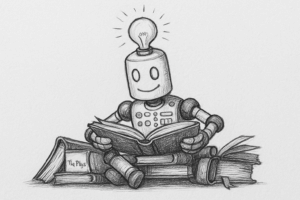
In my current state with this cold, embracing it has allowed me to take steps that might have been neglected otherwise. For instance, reading books I’ve put off for months due to lack of time or energy, catching up on much-needed sleep, and generally giving myself the space to rest. By asking “Where is the gift here?” rather than viewing my cold as purely negative, I can find ways to see it as an opportunity for self-care and personal development.
Ultimately, the key lies in shifting our mental patterns to view challenges not just as obstacles but also as potential gifts wrapped in different wrapping paper. This requires mindfulness—being fully present with what’s happening without immediate judgment—and curiosity about how these challenges might offer lessons or growth opportunities. By dancing with life’s attacks rather than fighting them, we open ourselves up to a richer, more fulfilling experience of living.
So, the next time you face an obstacle in your path, take a moment to pause and reflect: Is there potential here that I’m missing? What can this challenge teach me about myself or my approach to life? By adopting such questions into our daily lives, we begin to transform adversities not just into opportunities for growth but also into catalysts for deeper understanding of ourselves and the world around us.