# Understanding Anxiety: Causes, Symptoms, and Ways to Manage

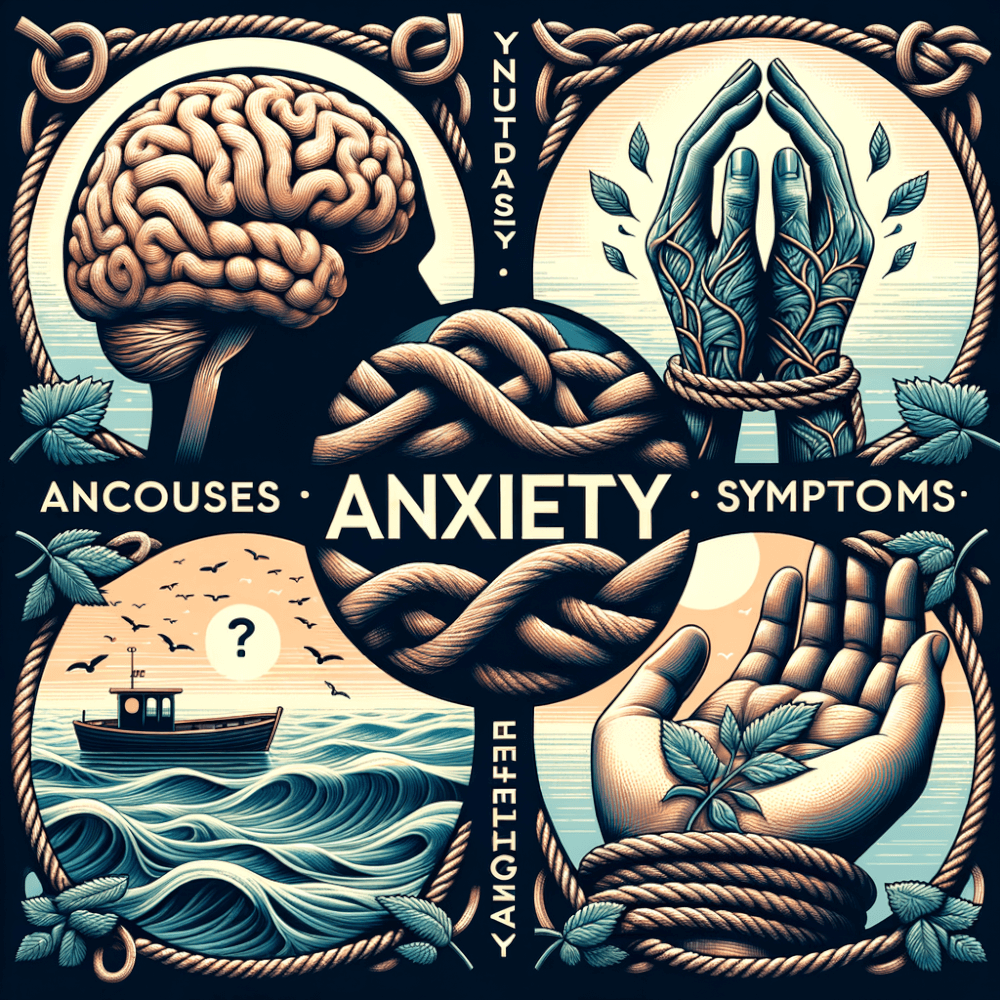
Anxiety is a common experience, yet it is often misunderstood. While occasional nervousness is a normal response to stress, persistent or overwhelming anxiety can interfere with everyday life, relationships, and work. In this guide, we’ll answer key questions surrounding anxiety: What causes it? What are its symptoms? Most importantly, how can you manage or reduce anxiety to improve your quality of life?
Table of Contents
 1. What is Anxiety? 2. Why Anxiety Happens: The Causes – Biological Causes – Environmental Causes – Psychological Causes – Life Events and Trauma – Substance Use and Medical Factors 3. Anxiety Symptoms: How Does Anxiety Feel? – Emotional Symptoms – Physical Symptoms – Cognitive Symptoms – Behavioral Symptoms 4. Types of Anxiety Disorders 5. Managing Anxiety: Strategies and Approaches – Professional Treatment – Self-Help Techniques – Lifestyle Changes – When to Seek Help 6. Conclusion —
What is Anxiety?
Anxiety is a feeling of worry, nervousness, or unease about something with an uncertain outcome. This emotional state is a natural part of the human experience—an adaptive signal that can alert us to danger or help us stay focused. However, when anxiety is excessive, persistent, or triggered by situations that don’t pose real threats, it can become problematic. Anxiety can manifest as a fleeting feeling or as part of a clinical disorder. According to the World Health Organization, anxiety disorders are among the most common mental health conditions globally, affecting nearly 301 million people. —
Why Anxiety Happens: The Causes
Understanding why anxiety happens involves unraveling a complex blend of genetic, biological, psychological, and environmental factors. Below are the primary contributors to anxiety.
Biological Causes
Genetics
– Family history: Anxiety running in families suggests a genetic component. If parents or siblings have an anxiety disorder, there is an increased risk. – Heritability: Twin studies show a moderate heritability for anxiety disorders, which means genetic factors contribute significantly.
Brain Chemistry
– Neurotransmitters: Anxiety is linked with imbalances in chemicals like serotonin, dopamine, and norepinephrine. – Brain Circuits: Brain imaging highlights that areas like the amygdala (involved in fear) and prefrontal cortex (involved in reasoning) can be overactive or dysregulated in anxious individuals.
Medical Conditions
– Chronic illness: Conditions such as thyroid disease, heart arrhythmias, and diabetes can either cause anxiety or worsen existing symptoms. – Hormonal changes: Shifts in hormones during puberty, pregnancy, or menopause may increase vulnerability to anxiety.
Environmental Causes
Stressful Life Events
– Events such as divorce, job loss, financial troubles, or the death of a loved one can trigger or intensify anxiety. – Example: Losing a job may not only create immediate stress but also raise fears about the future, leading to persistent worry.
Early Childhood Experiences
– Neglect, abuse, or trauma during formative years can shape the brain in ways that make anxiety more likely later. – Overprotective parenting: While well-intentioned, overprotection may prevent children from learning to cope with normal stressors.
Psychological Causes
Personality Traits
– Perfectionism: Those who constantly strive for flawlessness may worry about mistakes or failure. – Low self-esteem: Individuals with poor self-confidence are sensitive to criticism and rejection, fueling anxiety.
Thought Patterns
– Catastrophic thinking: Expecting the worst to happen, even with minimal evidence. – Intolerance of uncertainty: Finding it hard to cope with unpredictability and risk.
Life Events and Trauma
– Acute Trauma: Car accidents, assault, or natural disasters can cause lasting anxiety, including post-traumatic stress disorder (PTSD). – Chronic Stress: Ongoing adversity—such as living in a high-crime area or enduring workplace bullying—can keep the nervous system on “high alert.”
Substance Use and Medical Factors
– Stimulant use: Excessive caffeine, certain medications, or illicit drugs (like amphetamines and cocaine) can provoke symptoms of anxiety. – Alcohol withdrawal: Stopping alcohol suddenly can produce agitation and anxiety. – Medications: Some medications have anxiety as a side effect (e.g., corticosteroids, ADHD stimulants, asthma inhalers). —
Anxiety Symptoms: How Does Anxiety Feel?
Anxiety isn’t just in your head; it affects the body, mind, and behavior. The symptoms can vary by person and situation but typically fall into four categories.
Emotional Symptoms
– Excessive worry about specific events (e.g., health test results) or daily matters (work, school, relationships). – Fear or dread — sometimes overwhelming or seemingly irrational. – Irritability or impatience.
Physical Symptoms
– Racing heart (palpitations) – Shortness of breath – Muscle tension or trembling – Sweating – Dry mouth – Headaches – Nausea or stomach issues – Dizziness or lightheadedness – Sleep disturbances (insomnia, nightmares)
Cognitive Symptoms
– Difficulty concentrating or mind “going blank.” – Intrusive thoughts that are hard to control. – Rumination: Constantly replaying worrying scenarios or potential “what-if” outcomes. – Hypervigilance: Being easily startled or overly alert to potential dangers.
Behavioral Symptoms
– Avoidance of anxiety-provoking situations (e.g., parties, public speaking, flights). – Restlessness — difficulty sitting still or relaxing. – Reassurance seeking: Constantly asking others for confirmation or comfort. – Compulsive behaviors: Repeated actions to try to relieve anxiety, seen in conditions like OCD. —
Types of Anxiety Disorders
Anxiety can present in several diagnosable disorders, each with unique features:
Generalized Anxiety Disorder (GAD)
– Key features: Chronic, excessive worry about various aspects of daily life (work, health, finances). – Example: Feeling overwhelmed by the thought of paying bills, even when finances are stable.
Panic Disorder
– Key features: Recurrent, unexpected panic attacks—sudden periods of intense fear or discomfort. – Physical symptoms: Chest pain, heart palpitations, dizziness, feeling of losing control. – Example: Experiencing a panic attack while shopping, then fearing similar situations in the future.
Social Anxiety Disorder (Social Phobia)
– Key features: Extreme fear of social or performance situations for fear of embarrassment or scrutiny. – Example: Avoiding parties, meetings, or public speaking due to fear of humiliation.
Specific Phobias
– Key features: Intense, irrational fear of a particular object or situation (e.g., spiders, heights, flying). – Example: Avoiding travel due to a fear of airplanes.
Obsessive-Compulsive Disorder (OCD)
– Key features: Persistent, intrusive thoughts (obsessions) and repetitive behaviors (compulsions) to reduce distress. – Example: Repeated hand-washing to relieve fear of germs.
Post-Traumatic Stress Disorder (PTSD)
– Key features: Anxiety and flashbacks after exposure to a traumatic event. – Symptoms: Nightmares, hypervigilance, and avoidance of reminders.
Separation Anxiety Disorder
– Key features: Excessive fear about being separated from attachment figures, common in children but can affect adults. —
Managing Anxiety: Strategies and Approaches
While anxiety can feel overwhelming, it is treatable. A combination of professional treatment, self-help strategies, and lifestyle changes can make a big difference.
Professional Treatment
Cognitive-Behavioral Therapy (CBT)
– What it is: A structured form of psychotherapy that helps you identify and change unhelpful thought and behavior patterns. – How it helps: CBT teaches practical skills to challenge negative thinking and gradually face fears.
Exposure Therapy
– What it is: Gradual, controlled exposure to the source of anxiety (real or imagined) to reduce fear over time. – Use case: Effective for phobias, social anxiety, and panic disorder.
Medication
– Antidepressants: SSRIs and SNRIs are commonly prescribed for various forms of anxiety. – Benzodiazepines: Fast-acting but recommended for short-term or crisis use due to risk of dependence. – Beta-blockers: Used for physical symptoms like rapid heartbeat, particularly in performance situations. – Buspirone: A non-sedating anti-anxiety medication.
Other Therapies
– Mindfulness-Based Stress Reduction (MBSR): Combines mindfulness meditation and yoga. – Acceptance and Commitment Therapy (ACT): Focuses on accepting anxious feelings rather than avoiding them.
Self-Help Techniques
Mindful Breathing
– Practice: Slow, deep breathing helps calm the body’s stress response and triggers relaxation. – How-to Example: Inhale for four counts, hold for four, exhale for four, pause for four (box breathing).
Progressive Muscle Relaxation
– Benefits: Systematically tensing and relaxing muscle groups can reduce overall physical tension. – How-to: Start from feet and move upwards, tensing each group for five seconds and then releasing.
Journaling
– Purpose: Writing down anxious thoughts can provide perspective, spotlight negative patterns, and track triggers or progress.
Visualization
– Technique: Imagine a peaceful place (beach, forest) and try to engage all your senses in this visualization. This can distract from anxious rumination.
Grounding Techniques
– Examples: The “5-4-3-2-1” method (identify five things you can see, four you can touch, three you can hear, two you can smell, and one you can taste).
Lifestyle Changes
Regular Exercise
– Why it helps: Physical activity releases endorphins, reduces muscle tension, and can improve sleep, all of which counter symptoms of anxiety. – Types: Walking, swimming, biking, yoga, or even short “movement breaks” during stressful times.
Healthy Diet
– What to focus on: Limit caffeine, high-sugar foods, and alcohol. Eat balanced meals with plenty of vegetables, fruits, lean protein, and whole grains.
Adequate Sleep
– Tip: Establish a consistent sleep schedule. Avoid screens before bedtime and create a calming nightly routine.
Limit Stimulants
– Advice: Cut down on coffee, energy drinks, and nicotine. These substances can trigger or worsen physical symptoms of anxiety.
Social Support
– Importance: Sharing your experiences with friends, family, or support groups can reduce feelings of isolation and provide practical advice.
When to Seek Help
If anxiety: – Prevents you from functioning at work, school, or home – Causes panic attacks, suicidal thoughts, or self-harm urges – Leads to substance abuse in an attempt to cope – Persists for more than a few months without improvement Reach out to a mental health professional. Early intervention is key for effective management and long-term recovery. —
Conclusion
Anxiety is both common and treatable. Its causes are diverse—ranging from genetics and brain chemistry to life events and lifestyle factors. While anxiety can surface in many forms and at any time in life, understanding its roots is the first step toward effective management. Recognizing symptoms—whether they are emotional, physical, cognitive, or behavioral—enables early action. Options for managing anxiety include evidence-based therapies like CBT, self-help techniques such as mindfulness and exercise, and practical lifestyle changes. Remember, anxiety is not a personal failing. With the right information, support, and interventions, it is possible to manage anxiety and reclaim wellbeing. If anxiety is overwhelming your daily life, know that help is available—and recovery is possible. — Keywords: anxiety causes, anxiety symptoms, managing anxiety, why anxiety happens