
To understand how emotional safety shapes growing minds, it is essential to examine the role of attachment theory in this process. Attachment theory posits that a child’s earliest experiences form fundamental expectations about relationships, which influence their emotional and social behaviors throughout life. In environments where children feel emotionally safe—where they are consistently comforted, understood, and supported—they develop secure attachments with caregivers. These secure attachments serve as the foundation for healthy emotional development.
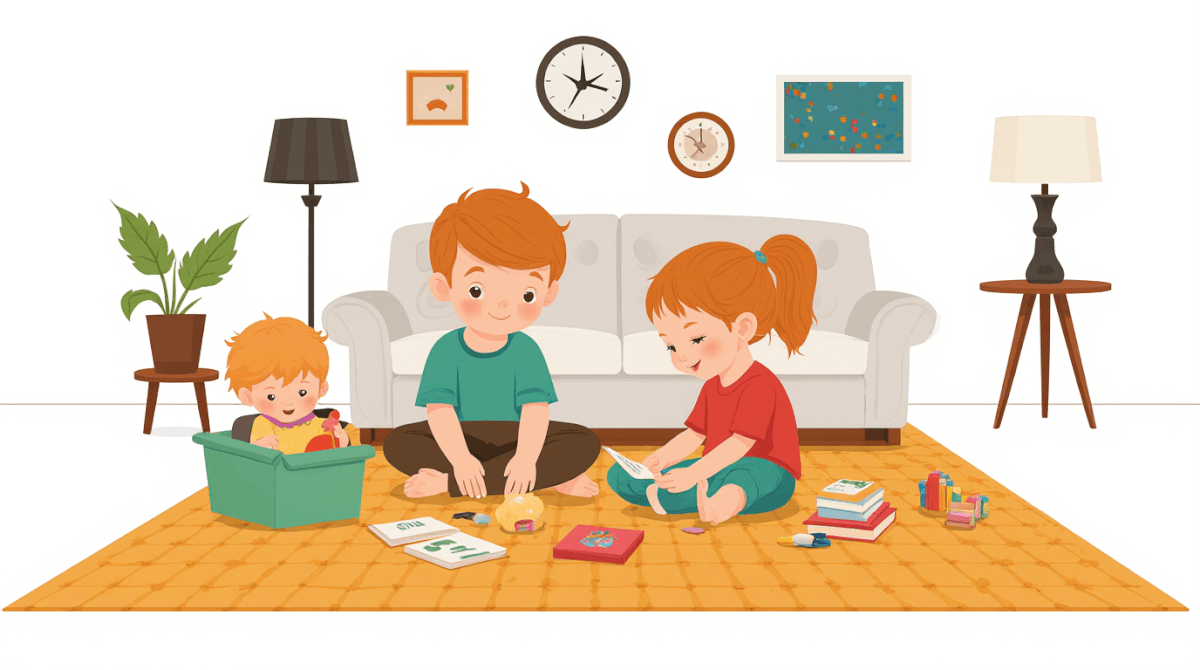
Consider a young girl named Lily who grows up in an environment that prioritizes emotional safety. Her parents respond promptly to her needs, offering comfort when she is scared or hurt. They engage in frequent playtime, listening to her stories and sharing their own experiences. Her older brother, Tom, does not receive the same attention and may feel more anxious and uncertain about his environment.
The key mechanism through which emotional safety shapes growing minds lies in how it fosters a sense of predictability and trust. When children experience consistent care and support from trusted caregivers, they learn to expect positive outcomes when expressing their emotions or seeking help. This predictability allows them to explore the world with confidence, knowing that there is a reliable base from which to return. Children in emotionally safe environments tend to develop better emotional regulation skills.
To illustrate this concept, imagine Lily going through a challenging situation at school where she is bullied by other classmates. In an environment lacking emotional safety, she might suppress her emotions or internalize the negative experiences, potentially leading to long-term psychological issues such as anxiety and depression. Due to her secure attachment with her parents, Lily can approach them for support, expressing her feelings openly and seeking guidance. Her parents’ empathetic response helps her process the experience, reducing its impact on her mental well-being.
Emotional safety also plays a pivotal role in shaping social skills. Children who grow up in emotionally safe environments are more likely to develop empathy, cooperation, and effective communication. Lily’s interactions with her parents encourage her to express her thoughts and feelings clearly, while also validating the emotions of others. This ability to understand and respond to different emotional states forms the basis for healthy relationships later in life.
Emotional safety contributes significantly to cognitive development by promoting curiosity and exploration. Children who feel safe are more likely to engage in learning activities without fear of failure or embarrassment. In Lily’s case, her parents’ encouragement to ask questions and explore new ideas fosters a love for learning that extends beyond the classroom into other aspects of life.
It is important to note that emotional safety does not merely refer to physical protection but encompasses psychological support as well. A home filled with constant criticism or high expectations can be emotionally unsafe even if physically secure. Creating an environment where children feel valued and understood is crucial for their overall development.
Environments lacking emotional safety often lead to insecure attachments and maladaptive behaviors. Tom’s experiences may result in him developing anxious-ambivalent attachment patterns, characterized by inconsistent or unpredictable caregiver responses. Such patterns can manifest as clinginess or difficulty trusting others later in life.
The impact of early experiences on emotional development is evident even decades after the initial interactions have occurred. Studies show that children who grow up in emotionally safe environments tend to exhibit better mental health outcomes and higher levels of social competence throughout their lives. This underscores the long-lasting effects of emotional safety on overall well-being.
The emotional safety that shapes growing minds is a complex but crucial mechanism in child development. By fostering secure attachments, promoting psychological predictability, enhancing social skills, and encouraging cognitive exploration, emotionally safe environments lay the foundation for healthy emotional and social development. Understanding this concept helps us recognize the importance of creating nurturing spaces where children can thrive, not only during their formative years but also throughout their lives.
References:
1. Bowlby, J. (1980). Attachment and Loss: Vol. 1. Attachment.
2. Bretherton, I., & Waters, E. (1997). Attachment styles and social functioning in young adulthood: An overview. In M. Greenberg, D. Cicchetti, & E. M. Cummings (Eds.), Attachment in the Preschool Years: Theory, Research, and Intervention (pp. 364-380). University of Chicago Press.
To explore the broader framework behind this topic, read
The Foundation Years: Why Early Childhood Support Shapes the Adults Our Children Become.



