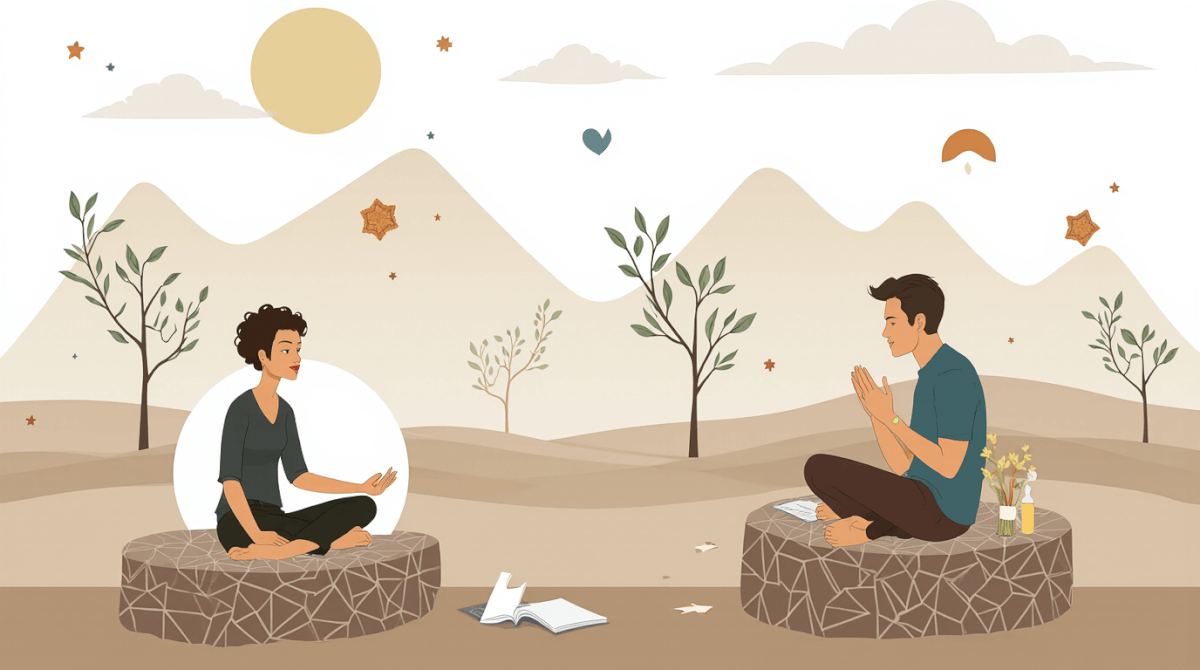
For those who hold strong religious convictions, the concept of faith does not remain abstract but rather becomes integrated into their daily actions and choices. This integration often manifests as a commitment to certain practices such as prayer, meditation, or specific rituals that are performed consistently over time. Individuals might begin each day with a morning devotion, reading sacred texts, or engaging in reflective contemplation. These activities serve not only as a personal spiritual practice but also as a tangible demonstration of their faith, influencing the mindset and perspective they carry throughout the day.
In social contexts, these beliefs often translate into community involvement. Religious communities typically offer support networks and collective worship opportunities that foster a sense of belonging and shared purpose. Participation in communal activities such as religious services, volunteering at charitable organizations, or engaging in interfaith dialogue reflects both personal devotion and commitment to broader ethical principles. By actively participating in these communities, individuals reinforce their beliefs through social interaction and collaborative action.
Faith also influences moral decisions and conflict resolution strategies within personal relationships. Individuals often turn to their religious teachings when faced with ethical dilemmas, seeking guidance on issues such as honesty, forgiveness, or compassion. These teachings provide a moral compass that guides behavior even in challenging circumstances. The principle of “turning the other cheek” from Christian teachings might inspire individuals to respond with understanding and patience during conflicts rather than retaliating, thereby fostering reconciliation.
Long-term commitment tied to religious beliefs often leads to prioritizing certain values over immediate gratification or personal comfort. This can be observed in lifestyle choices such as vegetarianism for ethical reasons based on Hindu principles, abstaining from alcohol or drugs for health and spiritual purity according to Islamic teachings, or dedicating a significant portion of income to charity in accordance with Christian doctrines about stewardship. Such commitments reflect the internalization of religious values into one’s daily existence.
The influence of faith extends beyond personal and communal life; it also shapes an individual’s broader worldview and approach to societal issues. For many believers, their spiritual convictions guide their civic engagement, influencing views on justice, peace, and human rights. This can result in active involvement in social advocacy or humanitarian efforts aimed at addressing systemic inequalities. By integrating these values into daily living, individuals demonstrate a commitment that goes beyond personal piety to include communal welfare and societal transformation.
The relationship between faith and lived experience is not always straightforward. Doubt and questioning are inherent aspects of any belief system, creating moments of uncertainty or conflict. Individuals may grapple with challenging theological questions, moral dilemmas, or the limitations imposed by religious practices in modern life. These struggles highlight the complexity of living according to one’s beliefs and underscore the importance of continuous reflection and adaptation.
Faith and long-term commitment are intricately woven into the fabric of daily existence for many believers. Through consistent practice, community involvement, moral decision-making, lifestyle choices, and civic engagement, these elements shape identity, relationships, and behavior in profound ways. The integration of religious beliefs into everyday life illustrates both the power and complexity of living according to one’s faith. This interconnectedness underscores the dynamic interplay between spiritual conviction and lived experience, reminding us that belief is not a static entity but an ongoing journey marked by commitment and reflection.
As individuals navigate this intricate dance between faith and daily existence, they encounter the nuanced challenges and rewards inherent in maintaining long-term dedication. The beauty of this process lies in its continuous evolution, where beliefs are both tested and affirmed through lived experience, creating a rich tapestry of spiritual growth and personal transformation.
To explore the broader framework behind this topic, read
Living Your Beliefs: When Faith and Spiritual Awareness Meet Daily Life.