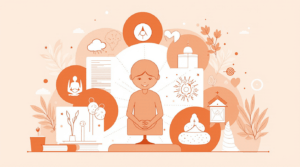
In the quiet moments when we are alone with our thoughts, there exists an inherent invitation to embrace presence as a way of being. This is not just about being physically present but about engaging fully and deeply with every aspect of one’s existence—emotions, sensations, and experiences. Presence becomes a practice that invites us into the richness of our inner life, fostering an awareness that transcends the constant rush of daily activities.
The pursuit of presence can be seen as a spiritual journey, though it is not tied to any particular organized belief system or doctrine. It is an exploration of the self—a quest for depth and coherence within one’s interior world. This path often begins with a simple act: sitting quietly in solitude, observing the breath, and allowing thoughts and emotions to rise and pass like clouds in the sky. In these moments, there is a sense of unburdened awareness, where judgment takes a backseat, and acceptance becomes the prevailing attitude.
Presence can be a delicate balance between certainty and uncertainty. Certainty is the comfortable realm we often seek, grounded in our habitual patterns and beliefs. It provides security and predictability. It also comes with its own limitations, creating a barrier to deeper experiences of the present moment. Uncertainty, opens us up to the vastness of what lies beyond our known world. It can be both liberating and unsettling, challenging the very foundation upon which we construct our sense of self.
The tension between presence and absence is another dimension in this exploration. Presence requires a mindful engagement with all aspects of life—joyful moments, painful ones, mundane routines, and even periods of solitude. Yet, it also involves recognizing when to let go, to step back, and simply be without the need for immediate action or resolution. This balance can be elusive; it is easy to get caught in cycles of overthinking or mindless distraction.
Control and surrender are two opposing forces that often come into play during these moments of presence. We may feel a strong desire to control outcomes, circumstances, or our emotions, yet such attempts can lead to frustration and disappointment. Surrender, allows us to release these rigid grasps and open ourselves up to the fluidity of life. It is in this space of letting go that true presence often emerges, as we learn to trust the process rather than striving for a particular outcome.
Doubt and trust are companions on this path as well. Doubt can be unsettling but also necessary for growth; it allows us to question our assumptions and beliefs. Trust, meanwhile, is what enables us to move forward with confidence in the face of uncertainty. Both doubt and trust coexist within the journey toward presence, each offering unique insights and challenges.
In exploring spirituality through this lens of inner experience, we find that belief systems serve as frameworks for understanding the world around us. They shape our identities, behaviors, and moral compasses, providing a sense of belonging and purpose. While these systems can offer comfort and guidance, they also come with their complexities and uncertainties. One might be deeply rooted in a particular tradition but still struggle with certain aspects or find oneself questioning long-held beliefs. Such moments highlight the dynamic nature of spiritual growth, where individuals continually navigate between adherence and skepticism.
Diversity within religion is another important aspect to consider. Different traditions offer varied interpretations and practices that reflect the rich tapestry of human experience. While these differences can sometimes create divisions, they also enrich our understanding of spirituality by showcasing its multifaceted nature. Embracing this diversity encourages a more inclusive approach to spiritual practice, acknowledging that there are many paths to presence.
The exploration of presence as a way of being invites us into a profound inner journey. It is an ongoing process of self-discovery where we learn to navigate the complexities of our internal world. This path may be fraught with challenges—uncertainty, doubt, and struggle—but it also offers moments of clarity, acceptance, and deep connection. Through this practice, spirituality becomes a deeply personal experience, rooted in the individual’s search for meaning, depth, and coherence within their inner life.
To explore the broader framework behind this topic, read
Living Your Beliefs: When Faith and Spiritual Awareness Meet Daily Life.
Related Reading
– Rupert Spira — The Transparency of Things
– Alan Watts — The Wisdom of Insecurity