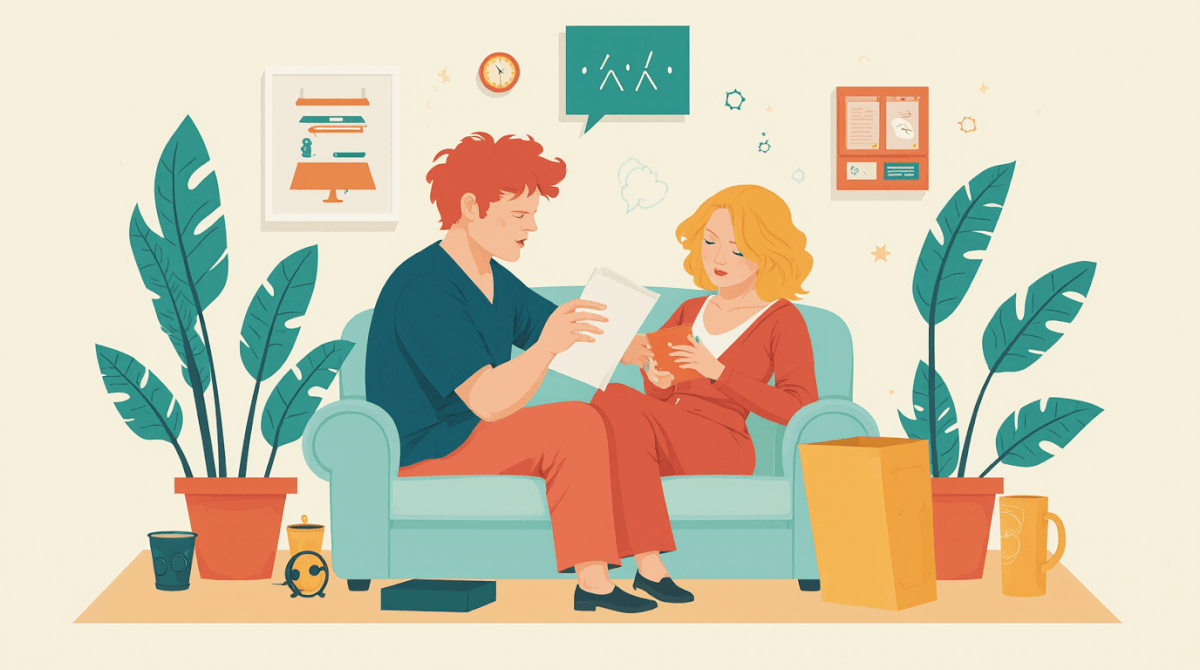
In the intricate web of human relationships, power dynamics play an essential role. They are not merely about dominance or subjugation; they are deeply embedded in the very fabric of our interactions, often unfolding in subtle and complex ways. At their core, these dynamics involve a dance between autonomy and interdependence, a constant negotiation of boundaries that defines who we are and how we experience the world.
The tension between closeness and autonomy is perhaps one of the most compelling aspects of power dynamics. Human beings have an innate need for connection and intimacy. We thrive on shared experiences, mutual support, and emotional resonance. This desire for closeness can lead to a blurring of personal boundaries as we seek to merge with another individual, sharing not just moments but also parts of ourselves. The comfort of being in sync, understanding each other’s thoughts and emotions, can create a sense of safety and belonging that is hard to find elsewhere.
Yet, this very need for closeness can clash with the equally fundamental requirement for autonomy. Autonomy allows us to maintain our individuality, assert our will, and preserve our unique identity. It enables us to make choices freely without being dictated by another’s desires or expectations. The tension between these two forces is particularly pronounced in intimate relationships where both closeness and independence are crucial.
Consider the scenario of a long-term partnership. Initially, partners may share everything – their dreams, fears, daily routines, even clothing (a common practice in some cultures). This level of intimacy can foster deep bonds and create an illusion of complete oneness. As time progresses, this unity can become stifling. Each person starts to feel like a part of the other, losing sight of their own identity. The desire for autonomy emerges as a cry for self-assertion.
This internal struggle is often played out in everyday interactions. One partner might feel pressured into making decisions that align more with the other’s preferences or lifestyle choices. This can lead to feelings of resentment and frustration. The individual who feels overpowered may seek to assert their independence by setting boundaries, which can then be seen as a form of defiance or rejection.
The dynamics between autonomy and interdependence are further complicated when we consider the role of power in shaping these relationships. Power is not just about control but also about influence. It can manifest in various forms—economic, emotional, social—and each can significantly impact how individuals perceive their roles within a relationship. If one partner has more financial resources than the other, this might lead to a perception that they hold more power. It’s important to note that such perceptions are not always accurate. The partner with fewer resources might still wield significant influence through emotional support or by setting boundaries.
The interplay of power can also be seen in how individuals handle conflicts and disagreements. In many relationships, there is often a distribution of responsibilities where one person tends to take the lead during disputes while the other follows. This dynamic can become problematic if it creates an imbalance that one partner feels is unfair. Over time, this perceived inequality can erode trust and foster resentment, leading to cycles of conflict and withdrawal.
Power dynamics are not static but evolve over time. Relationships go through different stages where power shifts based on various factors such as life events, personal growth, or changes in external circumstances. A young couple might start with equal distribution of power as they navigate their early years together. When one partner pursues higher education or a career that requires more focus and commitment, the balance may shift temporarily until a new equilibrium is reached.
In examining these dynamics, it becomes clear that understanding and managing them require constant awareness and communication. Both partners must be willing to negotiate, compromise, and adapt as needed. This process can be challenging, especially when deep-seated feelings of vulnerability or threat are involved. The fear of losing oneself in the relationship can lead to defensive behaviors that hinder genuine connection.
Another critical aspect of power dynamics is how they affect our expectations versus reality. Often, we enter relationships with idealized notions of what they should look like—mutual respect, shared responsibilities, deep emotional bonds. These ideals rarely align perfectly with real-world experiences. Discrepancies between expectation and reality can lead to disillusionment and even relationship breakdowns.
A couple might believe that their partnership will be characterized by complete equality and mutual understanding. Yet, as they navigate everyday challenges, they may find themselves struggling with unmet expectations. One partner might feel undervalued or misunderstood, while the other feels overwhelmed by the constant need to explain their actions. These discrepancies can create a cycle of frustration and miscommunication.
Understanding these disparities requires acknowledging that no relationship is perfect. Instead, it involves accepting that growth and adaptation are necessary components of any healthy partnership. This acceptance can foster greater empathy and resilience in handling power imbalances when they arise.
The exploration of power dynamics within relationships reveals the complexity and richness of human interaction. While these dynamics can be challenging to navigate, they also offer opportunities for personal growth and mutual understanding. By recognizing and addressing the tension between autonomy and interdependence, individuals can cultivate more balanced and fulfilling connections with those around them.
Related Reading
– Helen Fisher — Why We Love
– Sue Johnson — Attachment Theory in Practice
Parenting is not just about correcting behavior in isolated moments — it is about shaping the emotional and structural environment children grow up in. To explore the complete framework, read Life With Others: Who We Become in the Presence of Other People.