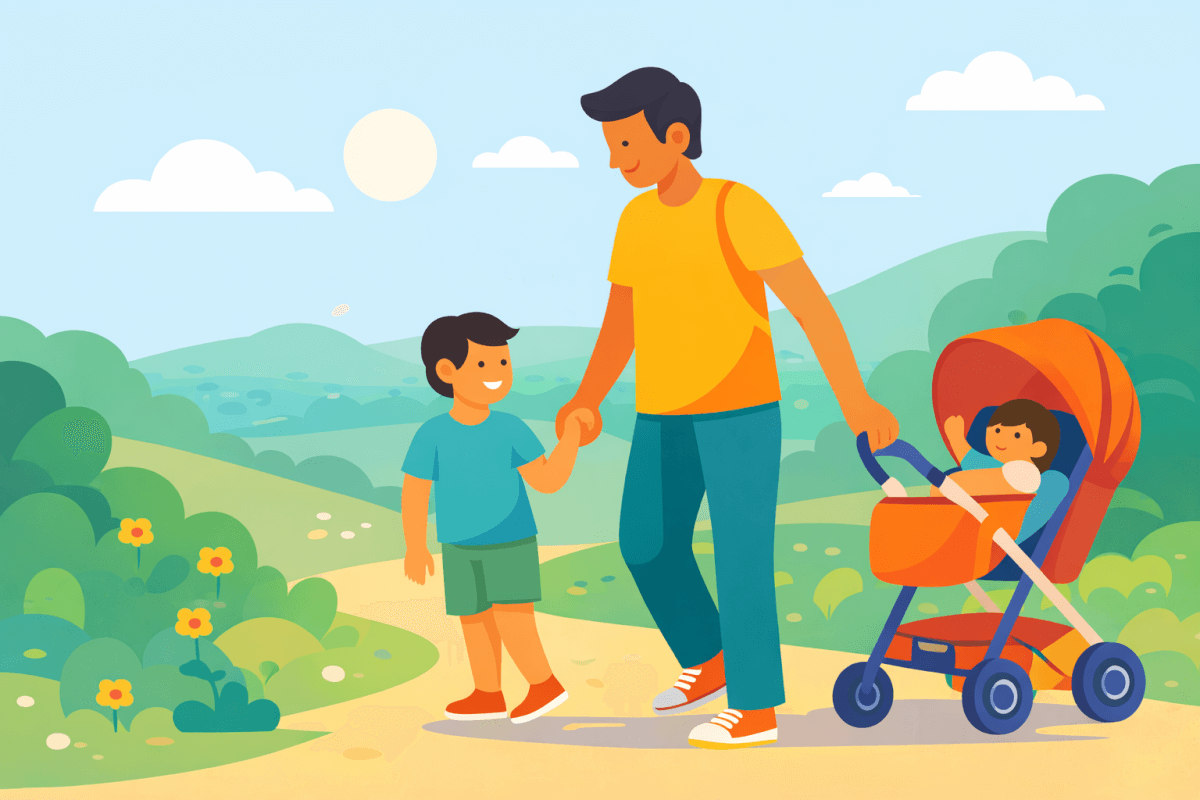
The act of parenting is an intricate dance, where every move holds immense emotional weight. It begins with the responsibility to nurture life into being, yet it does not end there. The journey through childhood involves a delicate balance between providing security and encouraging autonomy; a tension that can be both exhilarating and exhausting for any parent. This essay delves into the psychological intricacies of parenting, particularly from the vantage point of how these experiences shape the adult who cradles their child’s hand in theirs.
At its core, parenthood is a profound exercise in emotional responsibility. As a parent, one carries the weight of decisions that will mold not just an individual but potentially another life. The gravity of this role cannot be understated; it demands a constant state of vigilance and adaptability, where every moment can feel like a pivotal choice. A recent decision about bedtime routines or academic support can resonate deeply, as both reflect the parent’s understanding of what is best for their child’s well-being.
This responsibility can breed an internal struggle that oscillates between confidence and doubt. Parents often grapple with whether they are making the right choices, not just in the immediate sense but in the long-term implications as well. This internal conflict is compounded by the fact that each child comes into this world with a unique set of needs and personalities. What works for one may falter when applied to another, necessitating continuous reassessment and adjustment.
The influence of a parent’s own past experiences on their parenting style is also a significant factor. Many find themselves consciously or unconsciously mirroring the behaviors they experienced during their childhood. Parents who grew up in environments where emotional expression was stifled might inadvertently repeat this pattern with their children, fearing the chaos that might ensue if they were overly open and expressive. This internal conflict between wanting to break free from past limitations and honoring the values instilled by one’s own parents can create a complex web of emotions.
The relationship between love, boundaries, and authority is another nuanced aspect of parenting. Love is often seen as the binding force that brings two souls together, but it must be tempered with healthy boundaries to ensure mutual respect and growth. The challenge lies in finding the balance where affection does not blur into permissiveness, and discipline does not overshadow warmth. This dynamic can be particularly challenging when one faces moments of rebellion or non-compliance from their child. In these instances, parents must draw upon both emotional intelligence and a deep understanding of their child’s psychological needs.
The journey of parenting is inherently transformative for the parent as well. It demands a recalibration of one’s identity, forcing individuals to confront their own fears, insecurities, and desires. As they navigate the challenges of raising a child, parents often experience a shift in perspective, where personal ambitions take secondary place to the needs of their offspring. This can lead to a profound sense of purpose but also a temporary loss of self as the primary focus shifts.
The quest for balanced independence is a central theme that runs through this process. Parents aim to protect and provide for their children, ensuring they have everything they need to thrive. Simultaneously, there is an underlying desire to encourage autonomy, allowing kids to explore the world on their own terms. This tension can create moments of deep reflection, as parents grapple with the idea that no matter how much they care or how meticulously they plan, some outcomes are beyond their control.
Parenting involves a complex interplay of emotions and responsibilities that shape both the child and the parent. It is through this dynamic process that individuals come to understand themselves more deeply, finding strength in vulnerability and wisdom in the challenges posed by raising another life. The journey may be fraught with doubts and uncertainties, but ultimately it leads to a richer sense of self and a deeper connection with the next generation.
Parenting is not just about correcting behavior in isolated moments — it is about shaping the emotional and structural environment children grow up in. To explore the complete framework, read The Parenting Environment Blueprint: How Home, Habits, and Emotional Climate Shape a Child’s Future.