Inner assurance, the firm belief that one is worthy and capable, plays a crucial role in shaping how individuals perceive themselves and their abilities throughout life. This inner sense of self-worth develops early on during childhood and is profoundly influenced by social, cultural, and relational contexts. As children navigate various environments and experiences, they gradually construct an understanding of who they are and what they can achieve. This process, often referred to as the development of self-esteem or self-efficacy, begins in infancy and continues through adolescence.
One significant mechanism that influences this development is the role of parental support and feedback during childhood. During early years, parents serve as primary caregivers and first teachers. They provide emotional security by being present, attentive, and responsive to their children’s needs. When a child learns to walk or tie their shoelaces, these small achievements are celebrated by parents with praise and encouragement. This positive reinforcement helps the child internalize a sense of competence and confidence in their abilities.
The quality of interactions between parents and children shapes how children perceive themselves over time. A warm, supportive environment fosters trust and openness, enabling children to express their thoughts and emotions freely. When a parent listens intently during a conversation about schoolwork or friendships, it signals that the child’s feelings are valued and understood. This sense of being heard and respected contributes to building a positive self-image.
Not all interactions with parents are positive. Criticism, negativity, or neglect can have detrimental effects on a child’s inner assurance. If a parent frequently dismisses or belittles their child’s efforts, the child may internalize this message as truth and begin to doubt their own capabilities. Studies indicate that overly harsh criticism can lead to low self-esteem and even anxiety in later life (Harter, 1985). While positive reinforcement is crucial, it must be balanced with realistic expectations and constructive feedback.
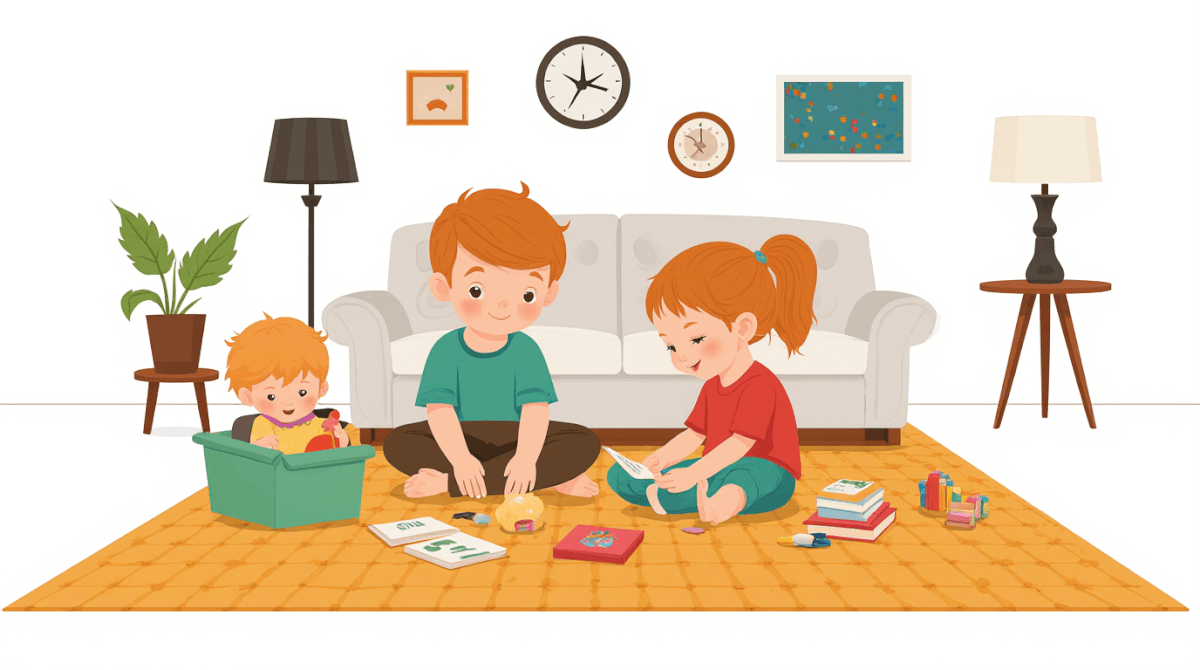
Peer interactions also play a vital role in shaping inner assurance during childhood. Children learn social skills through playing and interacting with their peers, which helps them develop empathy and cooperation. Sharing toys or solving conflicts together teaches children to consider others’ feelings and perspectives. These experiences contribute to forming positive self-perceptions as they see themselves contributing positively within a group.
Bullying and exclusion can severely impact a child’s inner assurance. Being constantly mocked or ostracized by peers can lead to feelings of isolation and low self-worth. Research has shown that children who experience bullying are more likely to develop anxiety and depression (Olweus & Limber, 2017). Supportive peer relationships are essential for fostering a healthy sense of self.
School environments further influence the development of inner assurance by providing opportunities for success and failure. Teachers play a critical role in recognizing students’ strengths and encouraging them to take on challenging tasks. Assigning projects that require collaboration or creative thinking can help build confidence as children see their ideas come to fruition. Excessive pressure or unrealistic expectations from teachers can overwhelm children, leading to feelings of inadequacy.
Social and cultural factors also impact how inner assurance is formed during childhood. Cultural norms about gender roles, academic achievement, or physical appearance can shape what children believe are important traits for success. In some cultures, there may be a strong emphasis on academic excellence as the path to future success, which can put undue pressure on students to perform well academically (Park & Umemoto, 2019). This cultural context can influence how children evaluate their own abilities and self-worth.
Environments that celebrate diversity and individuality promote a broader sense of self-worth. Children who grow up in multicultural settings learn to appreciate different perspectives and values, fostering resilience and adaptability (Soriano & Schmid, 2013). This inclusive approach helps children develop a more nuanced understanding of what it means to be successful.
Media exposure can significantly impact the development of inner assurance. Children are exposed to various messages about body image, success, and social status through television, social media, and advertising. These messages often present unrealistic or unattainable standards, which can lead to feelings of inadequacy among young people (Fardouly et al., 2015). Parents and educators need to be aware of these influences and provide counter-narratives that promote a positive body image and realistic expectations.
The development of inner assurance in childhood is shaped by multiple social, cultural, and relational factors. Positive parental support, healthy peer relationships, nurturing school environments, and diverse cultural contexts all contribute to fostering a strong sense of self-worth. Negative experiences such as bullying, excessive pressure from teachers, or unrealistic media standards can undermine this development. Understanding these mechanisms is crucial for creating supportive environments that promote the well-being and success of children.
Harter, S. (1985). Constructing the self: A developmental perspective on self-esteem. Psychological Review, 92(1), 63-89.
Olweus, D., & Limber, S. P. (2017). Bullying prevention through education and social change: The Olweus Bullying Prevention Program experience. In T. B. Gutman & R. W. Slaby (Eds.), Handbook of bullying in schools: International research and perspectives (pp. 345-364). Routledge.
Park, C., & Umemoto, L. A. (2019). Cultural fit and career success among Asian American women professionals. Journal of Business and Psychology, 34(2), 237-251.
Soriano, M. S., & Schmid, R. F. (2013). The role of cultural capital in children’s academic achievement: A review of the literature. International Journal of Educational Research, 61, 44-59.
Fardouly, J., Diedrichs, P. C., Vartanian, L. R., & Halliwell, E. (2015). Social comparisons on social media: The impact of Facebook on young women’s body image concerns and mood. Body Image, 13, 38-45.