
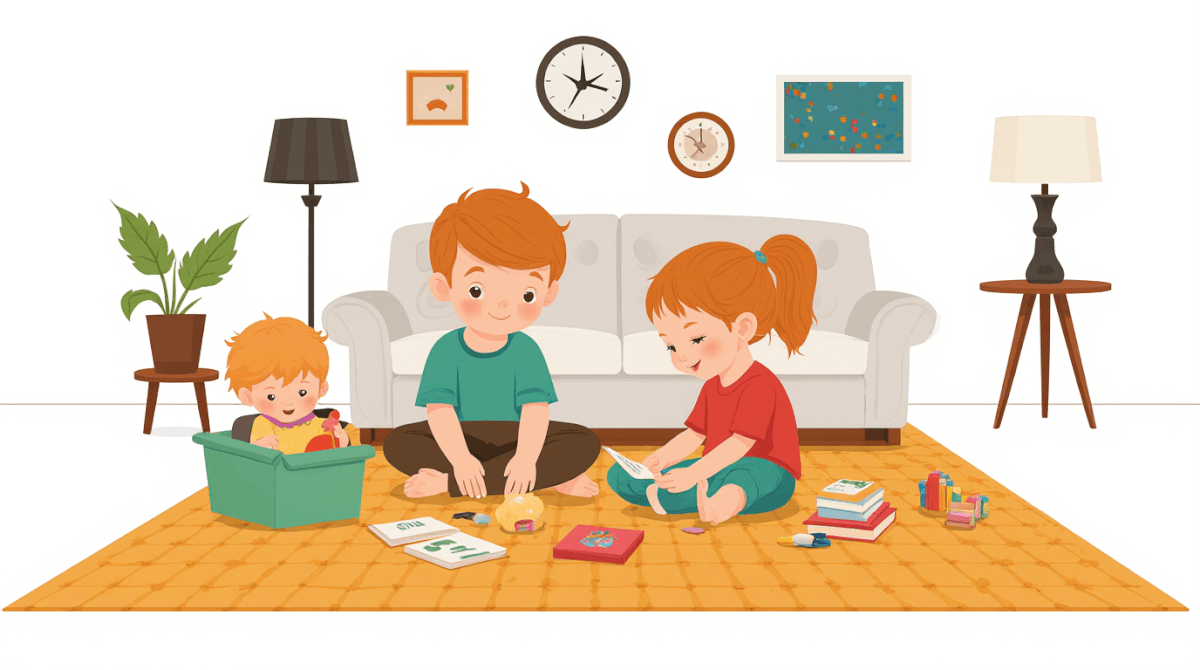
Gentle authority can significantly shape the process of identity formation among individuals, particularly during their early years. By providing a balanced blend of guidance and respect, gentle authority creates an environment where children develop a sense of self that is both secure and adaptable. This mechanism operates through specific interactions between parents or caregivers and children, emphasizing the importance of mutual respect and open communication. Through these interactions, children learn to navigate social norms, internalize values, and construct their identity in a way that fosters resilience and emotional well-being.
Early experiences, particularly those occurring within the first five years of life, lay the foundation for how individuals perceive themselves and interact with the world around them. When parents consistently offer gentle guidance while respecting their child’s autonomy, they create an atmosphere where children feel valued and understood. This environment encourages children to explore their interests freely without fear of judgment or harsh criticism. Children are more likely to develop confidence in their abilities and form a positive self-image.
One key aspect of how gentle authority influences identity is through modeling behavior and values. If parents display kindness, empathy, and fairness in their interactions with others, children are more inclined to adopt these qualities as part of their own identity. This process occurs not just from direct instruction but also from observing the actions and attitudes of caregivers over time. When children witness gentle authority being exercised through patience, understanding, and respect, they learn to apply these principles in their own social interactions.
The use of positive reinforcement rather than punishment further enhances the effectiveness of gentle authority. Instead of focusing on negative consequences or threats, parents employing gentle authority highlight the benefits of good behavior. Praising a child for sharing toys with friends rather than scolding them for not doing so can lead to more lasting changes in behavior and attitudes. This approach helps children understand that their actions have meaningful impacts and encourages them to make choices that align with their values.
Another crucial element is the encouragement of self-expression and individuality. By allowing children to express themselves freely and exploring new interests without fear of failure, gentle authority fosters a sense of creativity and independence. If a child shows an interest in painting or dance, parents who support these pursuits rather than imposing their own preferences are more likely to nurture a strong identity rooted in personal passions. This encouragement helps children develop unique perspectives and strengthens their self-confidence.
The absence of gentle authority can lead to adverse effects on identity development. Without supportive guidance and respect, children may struggle to form coherent identities due to lack of direction or validation. Harsh criticism and overbearing control can create an environment where children feel insecure about their abilities and afraid to explore new ideas. This can result in a fragmented sense of self and difficulty navigating social situations.
The cultural and social context plays a significant role in how gentle authority influences identity formation. In societies that value cooperation and emotional intelligence, children are more likely to develop identities that prioritize these qualities. In environments where competition and individual achievement dominate, children may focus more on personal success over communal well-being. This highlights the importance of considering broader societal factors when examining the impact of gentle authority.
The influence of gentle authority on identity is profound and multifaceted. By providing a supportive environment that values mutual respect and open communication, parents or caregivers can help children develop a strong sense of self that is both secure and adaptable. This process involves modeling behavior, using positive reinforcement, encouraging self-expression, and considering cultural and social contexts. Through these mechanisms, gentle authority shapes the way individuals perceive themselves and interact with the world, ultimately contributing to their overall emotional well-being and personal growth.
References:
Hartup, W. W. (2003). Peer relationships in early childhood: Implications for development. In R. Vasta (Ed.), Annals of child development (Vol. 19, pp. 1-45). John Wiley & Sons.
Waters, M., Kuhnert, K. L., & Crowell, N. A. (2006). Early social relationships and children’s emotional security: The role of sensitive and contingent responsiveness. In J. Cassidy & P. R. Shaver (Eds.), Handbook of attachment: Theory, research, and clinical applications (pp. 389-410). Guilford Press.



