
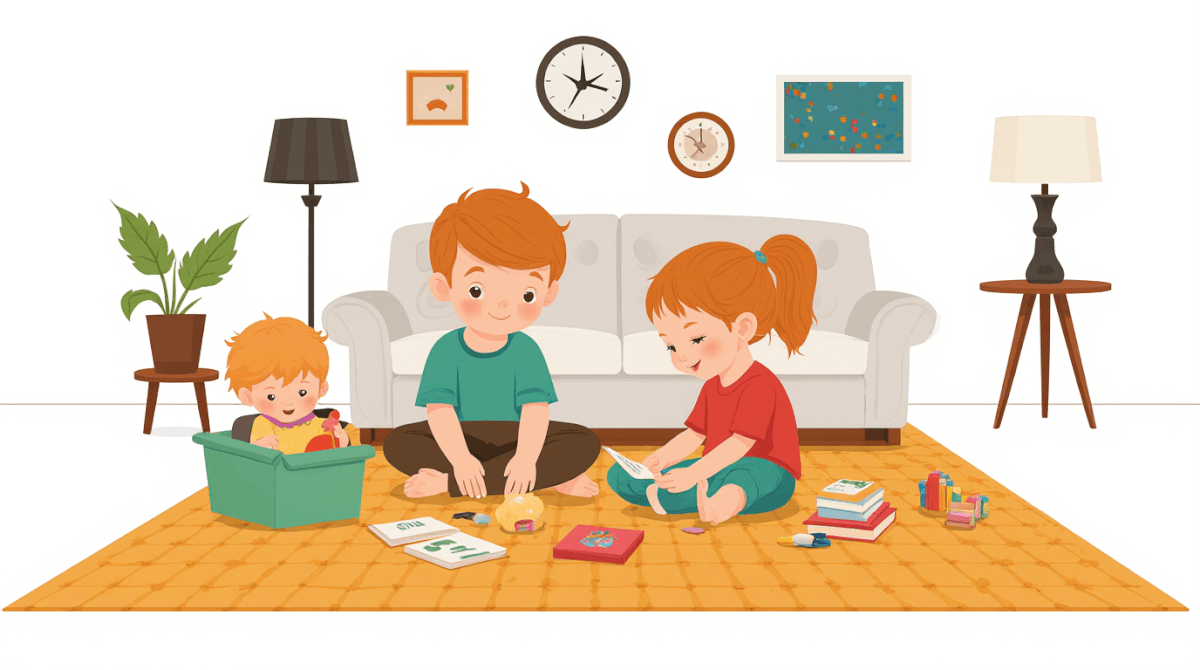
From infancy through adolescence, individuals experience a range of emotions that are crucial for developing emotional strength. The initial encounters with emotion begin within the family context, where caregivers’ responses to an infant’s needs—such as feeding or soothing—are critical. When an infant cries and is promptly held, they learn that their basic needs will be met, fostering a sense of security and trust in others. This early experience lays the groundwork for emotional resilience by teaching infants how to navigate through emotions such as fear or frustration.
As children grow older, the social environment continues to play a pivotal role in shaping emotional strength. Peer interactions and school experiences further refine their ability to handle various emotions. During elementary school, children face challenges such as making new friends, handling rejection, or resolving conflicts with classmates. These experiences teach them how to manage disappointment and frustration while also offering opportunities to develop empathy and problem-solving skills. A child who learns to share toys peacefully with peers is more likely to approach similar situations in later life with an adaptive mindset.
The impact of supportive relationships cannot be overstated. Friends, teachers, mentors, and other role models provide emotional support that helps individuals navigate complex social dynamics. A study by Eccles et al. (2016) highlights the importance of positive peer interactions in fostering a sense of belonging and self-efficacy during adolescence. When adolescents feel supported by their peers and trusted adults, they are better equipped to handle life’s challenges. This support can come from encouragement, advice, or simply providing a listening ear.
Challenging circumstances often serve as catalysts for developing emotional resilience. Adversity such as family conflict, illness, or the loss of a loved one can be deeply distressing but also provide opportunities for growth. During times of crisis, individuals may learn to cope with stress and anxiety by finding alternative sources of comfort or seeking professional help. Research by Werner and Smith (1982) has shown that children who experience significant adversity tend to exhibit greater emotional resilience in adulthood due to the adaptive strategies they develop early on.
The role of cultural contexts in shaping emotional strength is also crucial. Cultural values, norms, and expectations significantly influence how individuals interpret and respond to emotions. In collectivist cultures where community support is highly valued, children may learn to prioritize group harmony over individual conflict resolution. This can foster a sense of interdependence that strengthens emotional resilience by promoting cooperative problem-solving skills. In more individualistic societies, the emphasis on personal achievement and self-reliance can lead individuals to develop strong internal coping mechanisms.
The family environment itself is a microcosm of cultural influences. Families from diverse backgrounds may have different approaches to emotion regulation and expression. Some cultures encourage emotional openness and vulnerability, while others may teach stoicism and restraint. These differences can shape how children perceive their emotions and learn to manage them in various situations.
It is important to note that the development of emotional strength is a dynamic process influenced by multiple factors throughout one’s life. Early experiences, supportive relationships, challenging circumstances, and cultural contexts all contribute to an individual’s ability to navigate through emotional challenges. Each experience, whether positive or negative, shapes the brain’s neural pathways associated with emotion regulation, resilience, and overall mental well-being.
Consider a child who grows up in a family that openly discusses emotions and encourages expression. This environment might help the child develop better communication skills and empathy towards others, enhancing their emotional intelligence. If a child faces repeated trauma without adequate support, they may struggle with trust issues or anxiety in adulthood, highlighting the importance of consistent emotional support.
The development of emotional strength is also linked to psychological theories such as resilience theory, which posits that individuals can learn to cope effectively with adversity through various strategies. These strategies include cognitive reappraisal—changing one’s perspective on a situation to make it less stressful—and emotion regulation—managing emotions in a way that helps maintain goal-directed behavior. Both of these processes are significantly influenced by early life experiences and the supportive networks available.
The resilience process is often bolstered by the ability to find meaning in difficult situations. A teenager who loses a loved one might learn that their relationship was valuable and impactful, leading them to find purpose in remembering and honoring their loved ones. This sense of meaning can provide emotional comfort and motivation during challenging times.
In summary, the development of emotional strength over time is a multifaceted process deeply intertwined with early experiences, supportive relationships, and cultural contexts. Early interactions with caregivers teach children fundamental skills for emotional regulation, while peer interactions and challenges help refine these skills. Cultural norms further shape how individuals navigate emotions and develop adaptive coping mechanisms. By understanding this complex interplay, we can better support the growth of emotional resilience in both ourselves and those around us.
References:
– Eccles, J.S., Roeser, R.W., Sameroff, A.J., & House, D.A. (2016). The role of family factors in children’s academic and social–emotional development: An integrative review. *Journal of Educational Psychology*, 108(4), 593-614.
– Werner, E.E., & Smith, R.S. (1982). *Overcoming the odds: High risk children from birth to adulthood*. Ithaca, NY: Cornell University Press.
Related Reading
– Adele Faber & Elaine Mazlish — How to Talk So Kids Will Listen & Listen So Kids Will Talk
– Alice Miller — The Drama of the Gifted Child



