
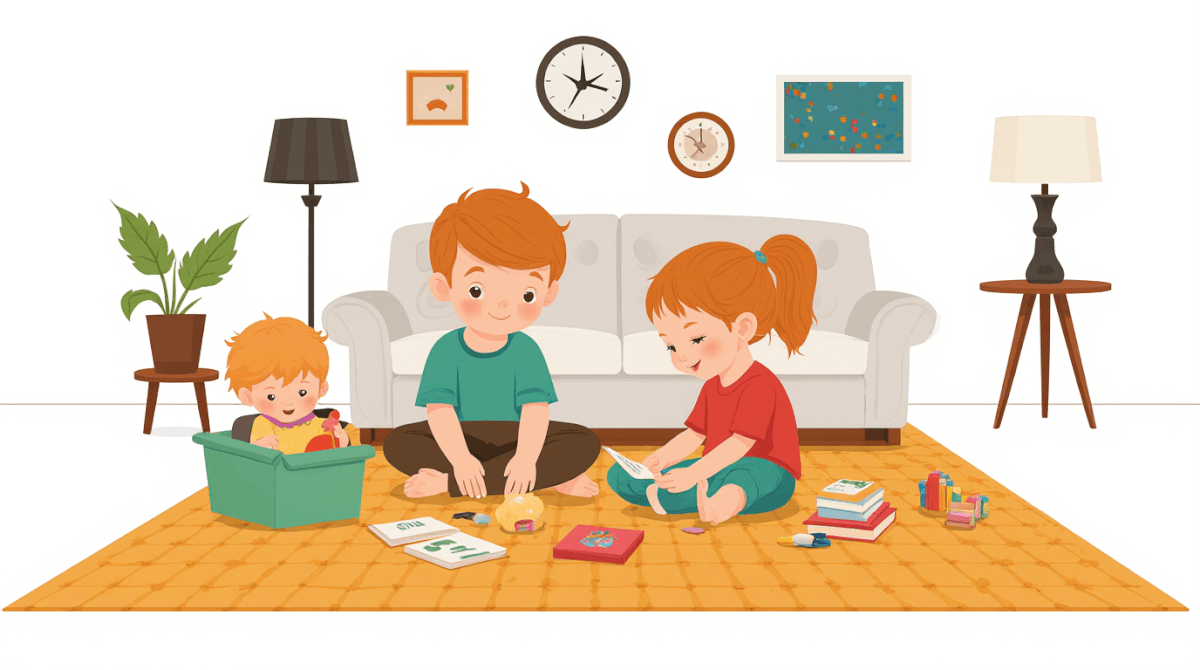
At its core, feeling safe at home means experiencing a sense of security that stems from being in a familiar and predictable environment where one feels valued and protected. This emotional security acts as a buffer against stressors and challenges, allowing children and adults alike to develop a healthy self-image and social skills. When children return to their homes after school or extracurricular activities, they are met with welcoming and reassuring environments that promote feelings of safety. These positive interactions with caregivers and peers reinforce the idea that home is a secure place where one can express emotions freely without fear of judgment.
The environment at home plays a crucial role in shaping these feelings of security. A supportive home environment often includes consistent routines, open communication, and emotional support. Parents who establish clear boundaries and rules while also offering warmth and affection create an atmosphere that encourages children to explore their surroundings with confidence. This predictability fosters trust not only within the family but also in broader social settings, which is essential for healthy development.
Early experiences at home significantly influence how individuals perceive themselves and others. Children who grow up in homes where they feel safe are more likely to develop a positive self-image, seeing themselves as competent and worthy of love and respect. Such an image acts as a foundation upon which personal goals and aspirations can be built. Those who experience instability or neglect at home may struggle with feelings of insecurity and inadequacy, leading them to view themselves through a lens of suspicion or fear.
The impact of these early experiences extends beyond self-perception. Feeling safe at home also contributes to the development of social skills and interpersonal relationships. Children who grow up in nurturing environments learn to interact positively with others, developing empathy and understanding for their peers. They are more likely to form healthy friendships based on mutual respect and support. A child who learns to share toys and take turns during play at home will carry these behaviors into other social settings, making it easier to make friends and engage in cooperative activities.
Children who do not feel safe at home may struggle with forming close bonds or trust others easily. The absence of emotional support can lead to increased anxiety and stress when interacting with peers outside the home environment. This difficulty in forming relationships can further exacerbate feelings of insecurity and loneliness, creating a cycle that is challenging to break.
Feeling safe at home also impacts how individuals handle adversity and challenges throughout their lives. When children grow up in environments where they are consistently supported and protected, they develop resilience—the ability to bounce back from setbacks and adapt to new situations. If a child faces a failure in school, having a supportive home environment can help them recover more quickly by providing emotional comfort and encouragement to try again.
Those who do not feel safe at home may find it harder to cope with challenges as they grow older. The lack of consistent support and positive reinforcement can lead to lower self-esteem and increased vulnerability to stressors in life. This difference is evident when comparing children from different backgrounds: a child whose parents provide emotional support during tough times versus one who experiences neglect or abuse.
The influence of feeling safe at home extends beyond the individual, impacting broader social dynamics as well. Children who feel secure in their homes are more likely to contribute positively to their communities and society. They are better equipped to engage in constructive dialogue and collaboration, fostering a sense of belonging and civic responsibility. A child who feels valued at home is more likely to participate actively in community service projects or volunteer work as an adult.
Those who do not feel safe at home may be more inclined towards negative behaviors such as aggression or withdrawal. The absence of emotional support can lead to feelings of isolation and resentment, which may manifest in disruptive behavior both at home and in public spaces. This dynamic is often observed in communities where childhood neglect or abuse is prevalent, leading to higher rates of crime, substance abuse, and social instability.
The interplay between feeling safe at home and broader societal factors cannot be understated either. Communities that prioritize creating safe and supportive environments for their children tend to experience lower levels of crime, better mental health outcomes, and stronger community bonds. Neighborhoods with well-maintained public spaces, access to quality education, and active parenting programs are more likely to have residents who feel a sense of belonging and security.
Areas characterized by poverty, violence, or neglect often struggle with higher rates of child maltreatment, mental health issues, and social disintegration. The absence of safe homes in such communities can contribute to cycles of trauma that are difficult to break, perpetuating negative behaviors across generations.
The emotional importance of feeling safe at home is paramount for healthy development. It acts as a cornerstone upon which self-esteem, resilience, trust, and positive social interactions are built. The environment and early experiences within the home shape these fundamental aspects of personality and behavior, influencing how individuals perceive themselves and others throughout their lives. A supportive and nurturing home environment fosters emotional security, enabling children to develop into well-adjusted adults capable of forming meaningful relationships and contributing positively to society. While challenges remain in creating universally safe environments for all children, understanding the profound impact of feeling safe at home is a crucial step towards building more resilient and compassionate communities.
References:
1. Bowlby, J. (1980). Attachment and Loss: Vol. 1. Attachment. New York: Basic Books.
2. Erikson, E. H. (1963). Childhood and Society. Norton.



