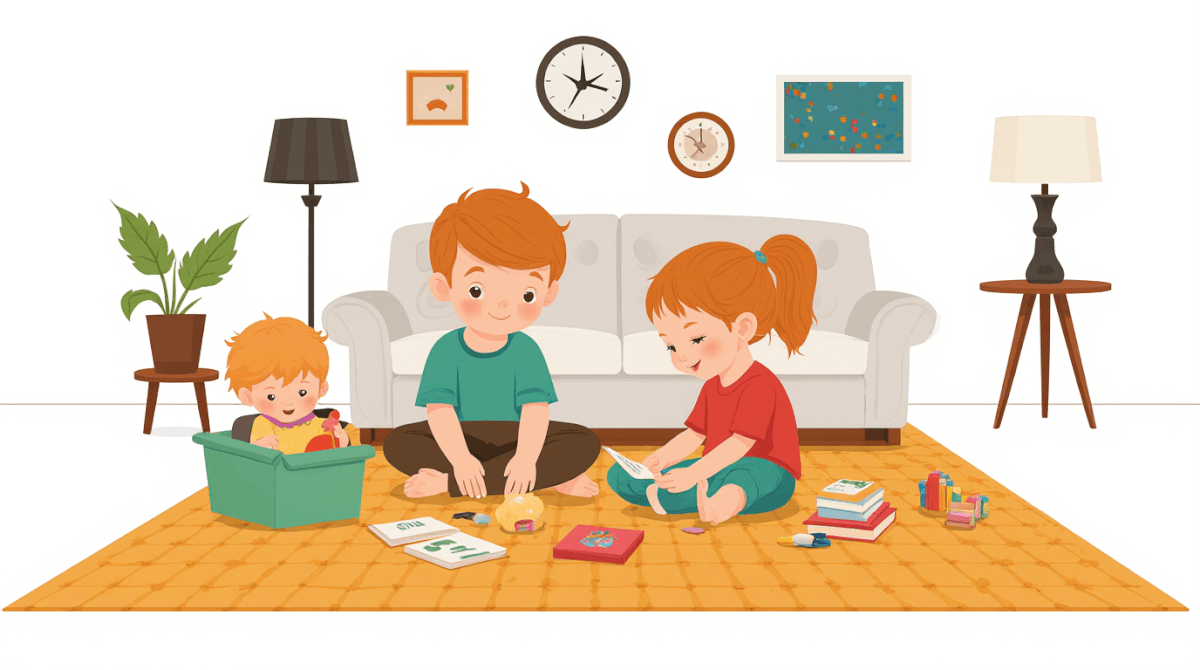
Consistency plays a fundamental role in shaping long-term behavior through its impact on the way individuals respond to and interpret their environment over time. The mechanism at work is the consistent reinforcement of certain behaviors by both social and cultural contexts, which gradually molds one’s responses and attitudes into enduring patterns. These patterns are not merely passive reflections of external stimuli but active processes that integrate experiences and expectations, forming a coherent framework through which individuals perceive and interact with their world.
To understand how consistency shapes long-term behavior, we must delve into the mechanisms by which environmental factors and early experiences contribute to the development of these behaviors. Consistency can be seen as a form of repetitive exposure or reinforcement that occurs in multiple contexts over an extended period. Consider a child who consistently faces social expectations within their family and community. If this child is encouraged to share toys and take turns without exception, they are likely to develop the behavior of sharing as a normative part of their interactions.
The environment plays a crucial role in reinforcing these behaviors through various mechanisms. Parents, educators, peers, and societal norms all contribute to the consistent reinforcement or disapproval of certain actions. If a child frequently observes adults engaging in acts of kindness towards others, they are more likely to internalize this behavior as appropriate and natural, leading to consistent displays of altruism over time.
Consistency also works through the formation of expectations. When individuals encounter situations where a particular behavior is expected or required, their brains begin to anticipate certain outcomes based on past experiences. This predictive ability allows for smoother interactions in familiar settings and can lead to more reliable long-term behaviors. If someone consistently gets up early each day to catch an important bus, they may develop a routine that makes waking up at the same time every morning feel like second nature.
The cumulative effect of consistent reinforcement is profound because it transforms transient actions into ingrained habits. Habits are not simply unconscious routines but deep-seated behavioral patterns that require minimal conscious effort once established. This transformation occurs through neuroplasticity, a process by which the brain adapts to repeated experiences. Over time, neural pathways associated with certain behaviors become stronger and more efficient, making these actions easier to perform.
Cultural and social contexts further enhance the impact of consistency on behavior. Cultural norms and values provide a broader framework within which individual experiences are interpreted. In collectivist cultures where community harmony is highly valued, consistent reinforcement of communal activities fosters a sense of group identity and cooperation that extends into adulthood. Similarly, in competitive societies focused on personal achievement, repeated exposure to performance-based expectations can lead to behaviors aimed at constant improvement.
Early experiences also play a pivotal role in the development of consistent behavior patterns. Infants and young children learn through imitation and reinforcement, observing the actions and reactions of those around them. Parents who consistently model desired behaviors create an environment where children are more likely to adopt similar practices. If parents consistently use polite language and show respect for others, their children may internalize these values, leading to consistent displays of courteous behavior throughout their lives.
The process of habit formation through consistency is not linear but iterative. Initial experiences set the stage for further reinforcement, creating a feedback loop that intensifies over time. If someone starts small by consistently using positive language and noticing its impact on others, they may gradually extend this practice to more challenging situations, eventually internalizing it as an integral part of their personality.
Consistency in behavior can lead to the formation of personal identity. As individuals encounter consistent expectations and feedback from different sources, they begin to define themselves based on these behaviors. This self-identification is further reinforced through social recognition and validation, creating a sense of identity that extends beyond individual actions to encompass broader values and beliefs.
Inconsistent experiences can lead to confusion and dissonance in behavior. When individuals receive mixed signals or face conflicting expectations from different sources, their behavioral responses may become fragmented and less coherent. This inconsistency challenges the formation of clear habits and can result in behaviors that are unpredictable and reactive rather than consistent and reliable.
The impact of consistency on long-term behavior is evident across various domains of life. In academic settings, students who consistently engage in regular study habits are more likely to develop a disciplined approach to learning, leading to better academic performance over time. Similarly, in professional contexts, employees who maintain consistent punctuality and work ethic are often perceived as reliable and responsible, contributing to their long-term success.
It is important to note that while consistency can be highly beneficial, excessive rigidity in behavior patterns can also have negative consequences. Overly rigid adherence to certain behaviors without flexibility can lead to inflexibility and resistance to change, potentially limiting adaptability in novel situations. A balance between consistent reinforcement of desired behaviors and the ability to adapt to new circumstances is crucial for healthy development.
Consistency shapes long-term behavior through its role in reinforcing specific actions, forming expectations, and contributing to habit formation within social and cultural contexts. Early experiences and environmental factors significantly influence this process, creating a coherent framework that guides individual interactions over time. While the impact of consistent reinforcement is profound, it must be balanced with flexibility to ensure healthy adaptability and resilience.
References:
Kahneman, D. (2011). *Thinking, Fast and Slow*. Farrar, Straus and Giroux.
Bargh, J. A., & Chartrand, T. L. (1999). The unbearable automaticity of being. *American Psychologist, 54*(7), 462-479.
Related Reading
– Peter Fonagy — Affect Regulation and Mentalization
– Peter Gray — Free to Learn