
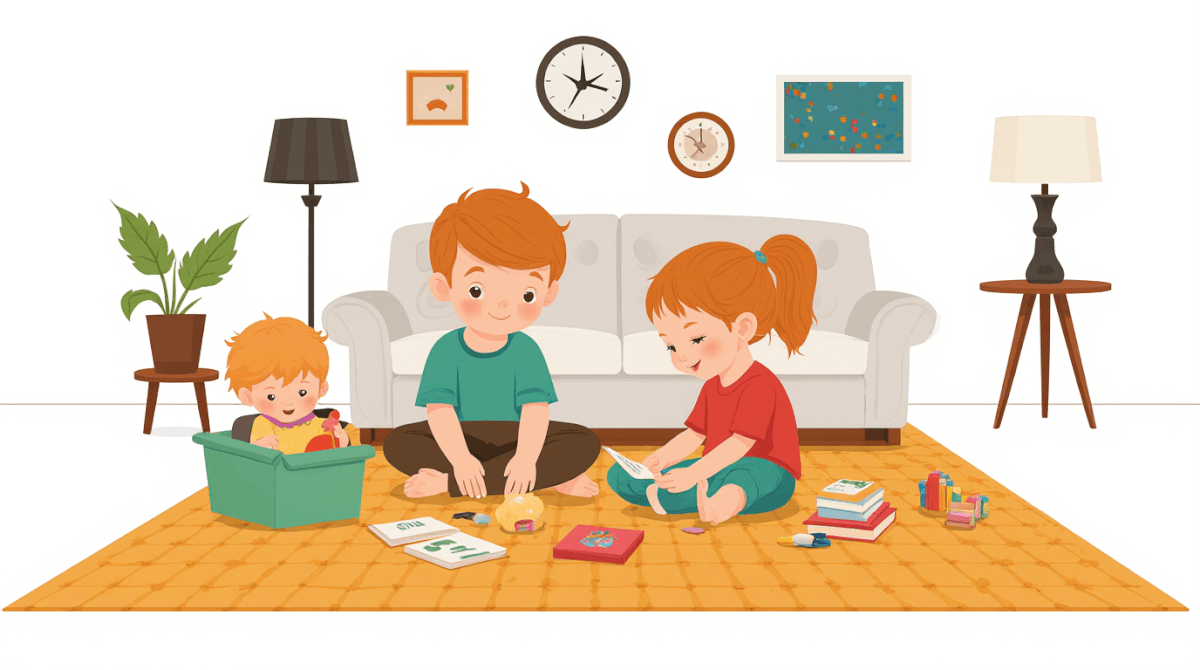
Repetition plays a crucial role in the development of security by reinforcing predictable patterns and behaviors. Imagine a child who consistently receives comforting words and physical contact from a caregiver when they are frightened or distressed. Over time, these repeated interactions create a pattern that the child associates with safety and comfort. This learned association becomes deeply ingrained, forming the basis for their emotional security.
The environment in which repetition occurs significantly influences its effectiveness. A nurturing and consistent environment provides the necessary conditions for repetition to foster security. A home where daily routines are followed—such as meal times, bedtime stories, and goodnight hugs—helps create an atmosphere of predictability and comfort. Such environments allow children to internalize these repeated experiences, making them feel secure and capable of navigating their world with confidence.
Early experiences, particularly during the first few years of life, have a profound impact on how repetition shapes security. The quality of early interactions between caregivers and children sets the foundation for later emotional development. A caregiver who consistently responds to an infant’s needs with care and attention helps establish a sense of trust and safety. This repeated behavior from the caregiver reinforces positive outcomes, creating a mental blueprint that guides future interactions.
If a child frequently experiences responsive caregiving, they are more likely to develop secure attachment styles later in life. Securely attached children tend to explore their environment with confidence, knowing that their caregivers will provide support when needed. Inconsistent or absent care can lead to feelings of insecurity and anxiety, as the predictability that repetition provides is disrupted.
The psychological mechanisms involved in this process are quite intricate. The brain processes repeated experiences by creating neural pathways that strengthen over time. These pathways form a mental framework that helps individuals anticipate and respond to situations based on past experiences. If a child repeatedly encounters situations where their fears are calmed by the presence of a caregiver, they may develop a subconscious expectation that such support will be available in the future.
This process is not limited to early childhood but extends throughout life. Adults also rely on repetition to build security in various contexts. In relationships, repeated positive interactions can foster trust and commitment. A couple who consistently supports each other through challenges may feel secure enough to face difficulties together. Similarly, individuals who repeatedly engage in healthy behaviors—such as exercise or stress management techniques—can build a sense of control over their well-being.
The cultural context further shapes the role of repetition in building security. Different societies and cultures have unique norms and practices that influence how security is constructed through repetition. In collectivist cultures where community support is highly valued, repeated communal rituals and social interactions can foster a sense of belonging and security among members. These shared experiences reinforce collective bonds and provide a sense of stability within the group.
Individualistic societies might emphasize personal achievements and autonomy. Here, consistent self-care practices or repeated successes in one’s career can contribute to an individual’s feeling of security and confidence. The specific cultural context thus plays a critical role in shaping how repetition is perceived and utilized as a mechanism for building security.
The impact of technology on this process should not be overlooked. In today’s fast-paced world, technology offers new ways to reinforce repeated positive experiences. Social media platforms can provide continuous reassurance through repeated interactions with supportive friends or communities. Excessive reliance on such virtual interactions might also lead to dependency and a diminished sense of real-world security.
The influence of repetition on building security is particularly evident in the workplace. Consistent recognition and positive reinforcement from supervisors can create a secure work environment for employees. This repeated validation helps build trust and fosters an atmosphere where individuals feel valued and supported, leading to increased job satisfaction and productivity.
The role of repetition in building security is multifaceted and deeply rooted in psychological, environmental, and cultural factors. By consistently reinforcing predictable patterns through repeated positive experiences, individuals develop a sense of stability and trust that guides their interactions with the world around them. This mechanism not only shapes early development but also influences adult behaviors and relationships, highlighting its enduring importance in shaping human security.
References:
1. Bowlby, J. (1982). Attachment and Loss: Vol. 1. Attachment. Basic Books.
2. Shonkoff, J. P., & Phillips, D. A. (Eds.). (2000). From neurons to neighborhoods: The science of early childhood development. National Academy Press.



