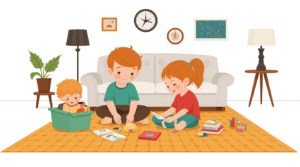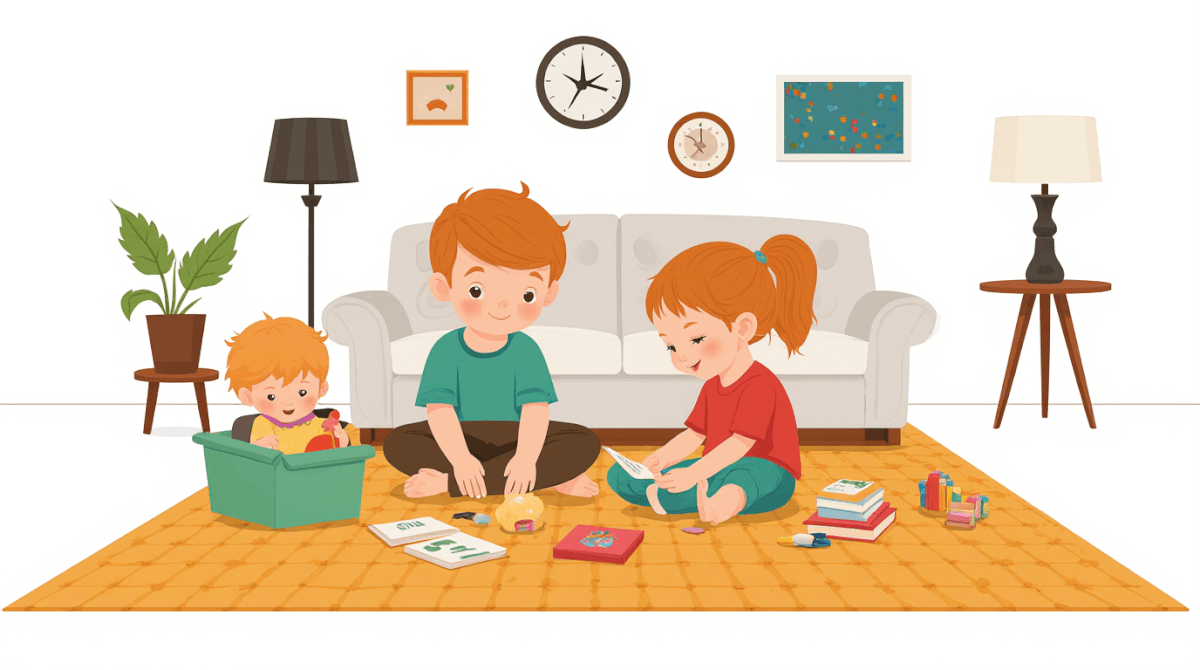
From infancy to early childhood, children begin to form their perceptions of self-worth and the importance of respecting others based on interactions with caregivers. Parents who consistently demonstrate respectful behaviors towards their children, such as listening actively, acknowledging feelings, and treating them as individuals capable of making choices, instill foundational respect from an early age. A parent who patiently explains why they are setting certain boundaries or rules is teaching the child about respecting authority while also showing that they value the child’s input and emotions.
Early experiences with respectful interactions can be seen in everyday scenarios. A mother taking her toddler to the grocery store might explain, “It’s important for us to wait our turn so everyone has a fair chance,” rather than simply instructing them to stand quietly behind her. This not only teaches respect but also nurtures empathy and an understanding of fairness, key components of respectful behavior.
Children who experience disrespect from their caregivers may struggle with self-esteem and have difficulty respecting others in the future. A child who is often ignored or dismissed by parents might develop a sense that their opinions and feelings are not valued, leading to poor self-respect and potential anti-social behaviors. When children feel seen and heard, they are more likely to internalize respect as an integral part of social interactions.
The environment in which a child grows up plays a significant role in shaping these early foundations. Families that model respectful behavior consistently across various contexts—whether at home or outside—are more likely to raise children who can navigate social situations with ease and understanding. This is evident in the way families handle conflict resolution, such as demonstrating calm communication during disagreements rather than resorting to shouting or aggression. Children learn from observing these interactions and begin to internalize these behaviors.
Cultural context also influences how respect is understood and practiced. In many cultures, mutual respect is highly valued and integrated into daily life through practices like bowing in Japan or greeting elders with a handshake in Western societies. These customs teach children the importance of recognizing hierarchy and the value of others’ opinions and contributions. Children who grow up in such environments are more likely to internalize these cultural values as natural aspects of respectful behavior.
Educational settings further reinforce the importance of respect by teaching children about empathy, cooperation, and responsible citizenship. Schools often incorporate lessons on social-emotional learning (SEL) that focus on building interpersonal skills, including effective communication, conflict resolution, and understanding diverse perspectives. Teachers who model these behaviors in their interactions with students help to create a positive classroom environment where mutual respect is the norm.
Parental guidance also extends beyond immediate family into broader social circles, such as how parents interact with neighbors, friends, or community members. Children learn to respect authority figures like teachers, police officers, and doctors by observing respectful interactions between these figures and their caregivers. These observations shape children’s understanding of appropriate behavior in various contexts.
The psychological impact of early experiences with respect can be profound. Children who grow up feeling valued and respected are more likely to develop healthy self-esteem and a positive sense of identity. They may also exhibit greater empathy towards others, as they have learned to see the world from different perspectives. Children who experience constant disrespect or neglect are at higher risk for developing issues such as low self-worth, social anxiety, and even aggression.
In the long term, these early foundations of respect can influence a child’s relationships in adulthood. Adults who were raised with consistent respect are more likely to maintain healthy, respectful partnerships and interactions in both personal and professional settings. They tend to approach conflicts with maturity and an understanding that all parties involved have value and deserve consideration.
The impact extends beyond individual development into broader societal implications. Societies where respect is deeply ingrained can foster greater social cohesion and cooperation among diverse groups. This can lead to more harmonious communities and a culture of mutual support and understanding.
The early foundations of respect are built through consistent modeling and reinforcement by caregivers. These foundational behaviors in early childhood have far-reaching effects on an individual’s self-worth, relationships, and contributions to society. By fostering environments where respect is valued and practiced, parents and educators can play a critical role in shaping future generations into compassionate and responsible citizens.
References:
– Eisenberg, N., Cumberland, A., & Spinrad, T. L. (2006). Effortful control, behavior regulation, and children’s social functioning. *Child Development*, 77(3), 749-765.
– Pianta, R. C., Lahey, B. B., & Smith, N. M. (1992). The early antecedents of aggressive behavior: A review and integration. *Developmental Psychology*, 28(6), 1034-1045.