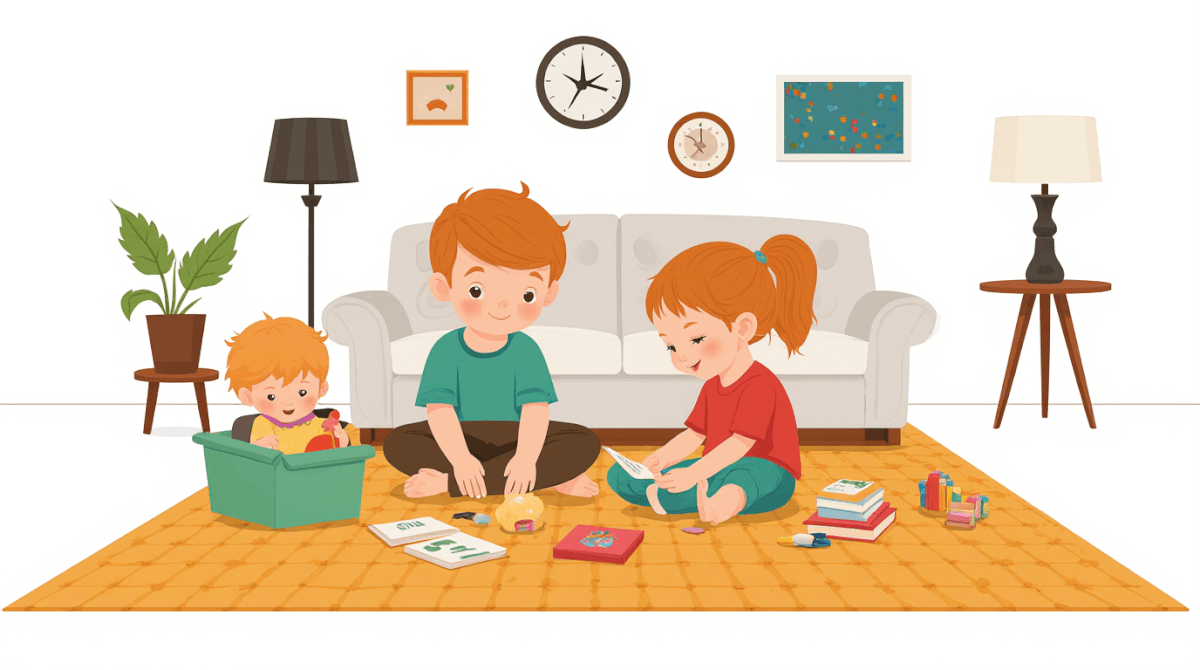
Attachment theory posits that early relationships between caregivers and infants set the stage for future emotional and behavioral development (Bowlby, 1982). A secure attachment is characterized by a caregiver who is responsive to the child’s needs and provides consistent comfort and support. This environment allows children to develop an internal working model of themselves as worthy of love and capable of navigating social interactions successfully.
In a nurturing environment, infants learn that their cries will be answered, and their emotional needs are validated. When a baby feels hungry or scared, the caregiver’s timely response provides reassurance and teaches the infant about trust and security. Over time, these repeated positive experiences shape the child’s emotional landscape, enabling them to form stable relationships and manage emotions effectively.
The process of secure attachment unfolds in several stages. Initially, infants experience separation anxiety when their primary caregivers leave, a natural response indicating that they perceive the caregiver as a safe base from which to explore their environment (Ainsworth et al., 1978). As the child grows, they develop a sense of safety and predictability, allowing them to venture out more confidently. This stage is crucial because it lays down neural pathways that enhance emotional regulation.
Insecure attachments can arise when caregivers are inconsistent or unavailable, leading children to develop maladaptive coping mechanisms. An avoidant attachment might result from a caregiver who dismisses the child’s distress, causing them to withdraw and suppress their emotions (Main & Hesse, 1986). Such emotional suppression can hinder the development of healthy social skills later in life.
The environment significantly influences the formation of secure attachments. In families where parents are emotionally attuned and responsive, children tend to develop more positive self-perceptions and better social interactions (Sroufe, 2005). In households where parents are preoccupied or stressed, children may struggle with emotional regulation, leading to difficulties in forming secure bonds later on.
Cultural context also plays a role. Different societies place varying degrees of emphasis on emotional expression and intimacy, which can impact the nature of parental interactions and thus affect attachment patterns (Park et al., 2019). In cultures that encourage open displays of emotion, children might learn to express their feelings more freely, fostering secure attachments. In cultures where emotions are stifled, children may develop emotional repression as a coping mechanism.
The development of emotional intelligence further illustrates the importance of secure attachment. Children who experience consistent support from caregivers learn to identify and manage their emotions effectively (Goleman, 1995). When faced with frustration or disappointment, they can use strategies like deep breathing or talking to someone to cope rather than becoming overwhelmed. This ability to handle emotional challenges is crucial for academic success, social interactions, and overall well-being.
The social context of a child’s environment also shapes their emotional development. Schools, peer groups, and community activities provide additional layers of support that complement familial relationships. When children feel accepted and valued by their peers, they are more likely to develop healthy self-esteem and resilience (Lerner & Lerner, 2013). Participating in sports or clubs can offer a sense of belonging and shared experience, reinforcing the positive emotions established at home.
Negative experiences like bullying or neglect can disrupt emotional development. Children who are frequently subjected to criticism or isolation may develop low self-esteem and anxiety, which can impede their ability to form secure relationships later in life (Noller & Lewis, 1986). These children might struggle with trust issues, leading to difficulties in maintaining stable friendships and romantic relationships.
The emotional structure that supports growth is a dynamic process influenced by multiple factors. While genetics play a role in shaping individual temperament, it is the environment and early experiences that determine how these innate qualities are expressed (Caspi et al., 2003). A child with a naturally sensitive disposition might become highly anxious if their parents are overprotective or dismissive, whereas the same child might thrive in an environment of emotional support.
The emotional structure that supports growth is intricately linked to secure attachment. Through repeated positive experiences, children learn to regulate their emotions effectively, form stable relationships, and navigate social challenges. The interplay between biological predispositions, parental interactions, cultural contexts, and broader social environments all contribute to this process. Understanding these mechanisms can provide valuable insights into how we can create more supportive and nurturing environments for children’s development.
References:
– Ainsworth, M. D., Blehar, M. C., Waters, E., & Wall, S. (1978). Patterns of Attachment: A Psychological Study of the Strange Situation. Hillsdale, NJ: Erlbaum.
– Caspi, A., Roberts, B. W., & Shiner, R. L. (2003). Personality development: Stability and change. Handbook of Child Psychology, 6, 187–248.
– Goleman, D. (1995). Emotional intelligence: Why it can matter more than IQ. New York: Bantam Books.
– Lerner, R. M., & Lerner, J. V. (2013). Handbook of Child Psychology and Developmental Science. Hoboken, NJ: Wiley.
– Main, M., & Hesse, E. (1986). Parent-infant attachment classification from 7 to 24 months: Continuities, changes, and predictors. In M. E. Lamb (Ed.), Advances in developmental psychology (Vol. 3, pp. 56–105). Hillsdale, NJ: Erlbaum.
– Park, J., Kim, H., & Kim, J. (2019). Emotional expression across cultures: A review of cultural models and research findings. Journal of Cross-Cultural Psychology, 50(7), 834-860.
– Sroufe, L. A. (2005). Emotional development: The organization of emotional reactivity. In M. Lewis & J. Haviland-Jones (Eds.), Handbook of emotions (2nd ed., pp. 339–357). New York: Guilford Press.
Related Reading
– Gabor Maté — Hold On to Your Kids
– Edward Tronick — The Still Face Experiment