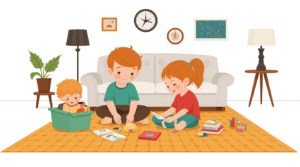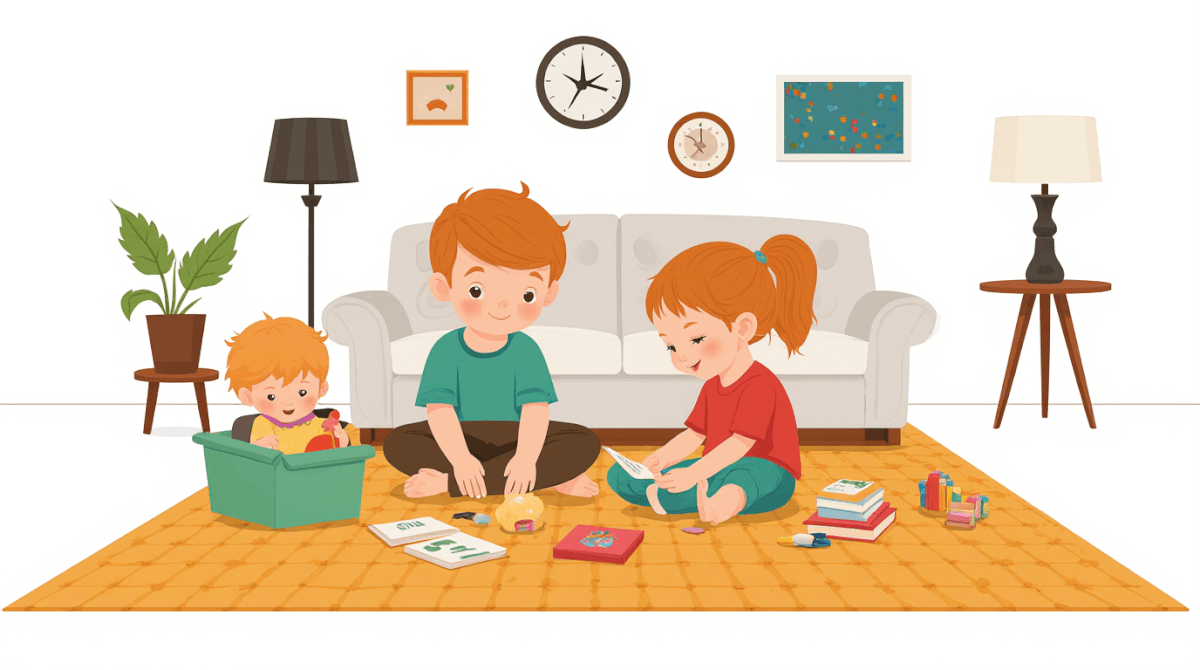
Emotional balance begins at home through the nurturing environment that parents create for their children. The home serves as a foundation upon which emotional resilience and well-being are built. A supportive family atmosphere allows children to experience a range of emotions, learn appropriate ways to express them, and develop healthy coping mechanisms—essential steps in cultivating emotional stability. This essay will analyze how the home environment influences the development of emotional balance by examining the role of consistent emotional support, clear boundaries, and open communication.
Consistent emotional support from parents is crucial for children’s emotional growth. When parents consistently acknowledge a child’s feelings and provide reassurance, it helps build a secure base that allows the child to explore their emotions freely. If a child experiences sadness after losing a game, simply listening to them and offering words of comfort can make a significant difference in how they process those emotions. Research from the University of California, Berkeley suggests that children who receive this kind of emotional support are more likely to develop a secure attachment style (Bowlby, 1969). This security forms the bedrock for future emotional balance as it helps children feel safe expressing their feelings without fear of judgment.
Consistent emotional support enables children to learn appropriate ways to express their emotions. If a child is angry or frustrated and learns that these feelings can be expressed through words rather than actions, they are more likely to develop emotionally intelligent behaviors in the future. Teaching a child to say “I’m feeling upset because I lost my favorite toy” instead of breaking toys when angry can help them channel their emotions constructively.
Clear boundaries are another essential aspect of fostering emotional balance at home. Boundaries provide children with predictable limits that define acceptable behavior and expectations. When parents set consistent rules and enforce them fairly, it helps children understand the difference between right and wrong, promoting self-discipline and responsibility. If a child is told they cannot have a cookie before dinner but are allowed one after dinner as a treat, this sets clear guidelines for behavior and teaches delayed gratification—a skill that is crucial in emotional regulation.
Clear boundaries also contribute to emotional stability by providing children with structure and routine. Predictable environments reduce anxiety because children know what to expect, making it easier to manage their emotions. A child who knows they have homework time after dinner can prepare mentally for this task without feeling overwhelmed. This predictability helps them develop a sense of control over their lives, which is essential for emotional balance.
Open communication within the family unit further enhances emotional balance by allowing children to express their thoughts and feelings freely. When parents encourage dialogue about emotions, children learn to articulate their experiences more effectively. Discussing how one feels when faced with challenges can teach children that it’s okay to experience various emotions and that talking about them is a healthy way to process these feelings.
Open communication fosters empathy within the family. When parents model emotional awareness and understanding, children begin to see emotions as complex phenomena worthy of exploration rather than mere reactions. This empathetic approach encourages children to consider others’ perspectives, leading to more harmonious interactions and better social skills.
The home environment also influences emotional balance through role modeling. Parents serve as primary role models for their children’s emotional responses. When parents handle stress, disappointment, or conflict in a calm, rational manner, they set a positive example that can be emulated by their children. If a parent loses patience over a minor issue but then takes deep breaths and apologizes later, this teaches the child how to manage frustration constructively.
The home environment shapes emotional balance through cultural and social contexts. The family’s traditions, beliefs, and values can significantly influence how emotions are expressed and managed within the household. In some cultures, expressing sadness or anger openly is not encouraged; instead, there may be expectations to maintain composure even during difficult times. Understanding these cultural norms helps children navigate their emotions more effectively, contributing to a balanced emotional state.
The home environment plays a pivotal role in shaping emotional balance through consistent emotional support, clear boundaries, open communication, and role modeling. These elements create a nurturing atmosphere that allows children to explore and understand their emotions fully. By providing this foundation, parents can help ensure that their children develop emotionally intelligent behaviors and maintain healthy emotional states throughout their lives.
References:
Bowlby, J. (1969). Attachment and Loss: Vol. 1. Attachment. Basic Books.