
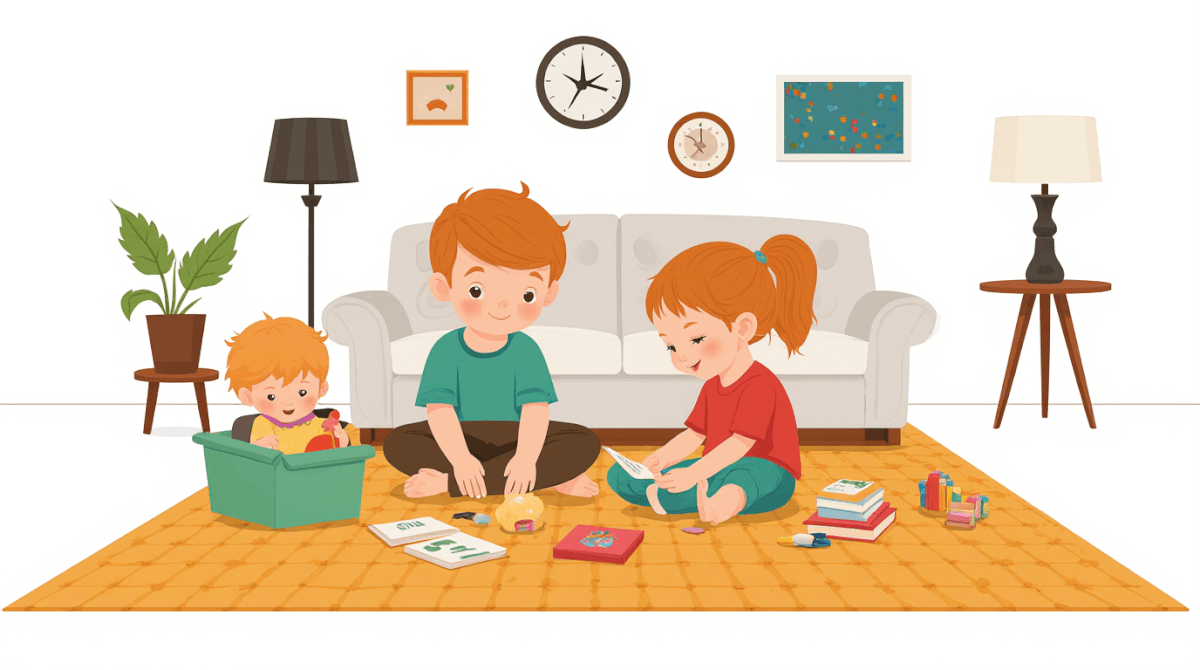
Emotional control is a critical aspect of child development that allows individuals to manage their feelings appropriately in various social situations. It involves recognizing, understanding, and regulating emotions, which are essential skills for navigating the complexities of life. This essay will explore how children learn emotional control over time by analyzing the role of social learning theory within this developmental process.
Social learning theory posits that children learn through observation, imitation, and reinforcement in their environment. The influence of this mechanism on the development of emotional control is profound as it shapes how children perceive and manage their emotions throughout their lives. A child observing a parent or another significant adult handling stress by taking deep breaths might adopt this strategy themselves when faced with similar situations.
The social environment plays a crucial role in shaping a child’s emotional responses. Families, schools, peer groups, and media all contribute to the formation of emotional control mechanisms. A supportive home environment can provide children with models of effective emotion management that they can mimic. Parents who respond calmly during disagreements or conflicts set a positive example for their children. Children often internalize these behaviors through continuous observation and interaction, leading them to adopt similar strategies when encountering challenging emotions.
Schools also offer an important setting where children can learn about emotional control. Teachers who model appropriate emotional responses in class, such as expressing disappointment over not getting a turn or celebrating successes together, provide valuable lessons for the students. These interactions help create a culture of emotional awareness and regulation that extends beyond the classroom. Students who frequently witness these behaviors are more likely to develop similar skills themselves.
Peer relationships further reinforce the learning process by providing opportunities for practice and feedback. Children often imitate each other’s reactions in social situations, which can either solidify positive behaviors or perpetuate negative ones. Observing a friend handling teasing with humor rather than anger might encourage a child to adopt a more constructive approach to peer interactions.
The media also significantly influences children’s emotional development by exposing them to various scenarios and responses. Television shows, movies, social media platforms, and video games all present characters dealing with different emotions and situations. Children often emulate the behaviors of these characters, which can range from effective management of anger in sports or conflicts to inappropriate displays of sadness or anxiety.
Reinforcement mechanisms within the environment are equally important for developing emotional control. Positive reinforcement through praise or rewards when a child successfully manages their emotions can encourage them to repeat such behaviors. Negative reinforcement—such as removing privileges when a child reacts badly—can discourage unwanted emotional responses. These practices help children understand what is expected of them and how to meet those expectations effectively.
Children’s ability to regulate emotions also depends on the level of support they receive from caregivers. Consistent and nurturing relationships provide children with secure bases from which they can explore their environments and develop emotionally. When caregivers are attuned to a child’s emotional needs, responding appropriately to their cues, and offering comfort during challenging times, it helps build resilience and emotional intelligence.
The development of cognitive skills such as self-reflection and perspective-taking also plays a role in enhancing emotional control. As children grow older, they become better at recognizing different emotions within themselves and others, understanding why these feelings arise, and finding ways to respond constructively. A child who can identify that feeling angry might lead them to take time out before reacting aggressively may develop into an adult who thinks about their actions more carefully.
The development of emotional control in children is deeply intertwined with social learning processes occurring within various contexts. These include familial interactions, educational settings, peer relationships, and media exposure. By observing and imitating role models, receiving appropriate reinforcement for desired behaviors, and benefiting from supportive environments, children gradually build up their capacity to manage emotions effectively. This process is not static but evolves over time as children gain more experience and understanding of themselves and the world around them.
In this dynamic interplay between social factors and personal growth, emotional control emerges as a fundamental skill that influences many aspects of a child’s development, including their ability to form healthy relationships, cope with stress, and make sound decisions. As such, fostering environments that promote positive emotional learning should remain a priority for caregivers, educators, and policymakers alike.
References:
Dollard, J., Miller, N.E., Milnes, R.F., Newman, O.H., & Rossell, F.L. (1939). Frustration and aggression. Yale University Press.
Bandura, A. (1977). Social Learning Theory. Prentice-Hall.



