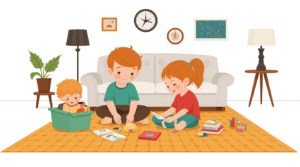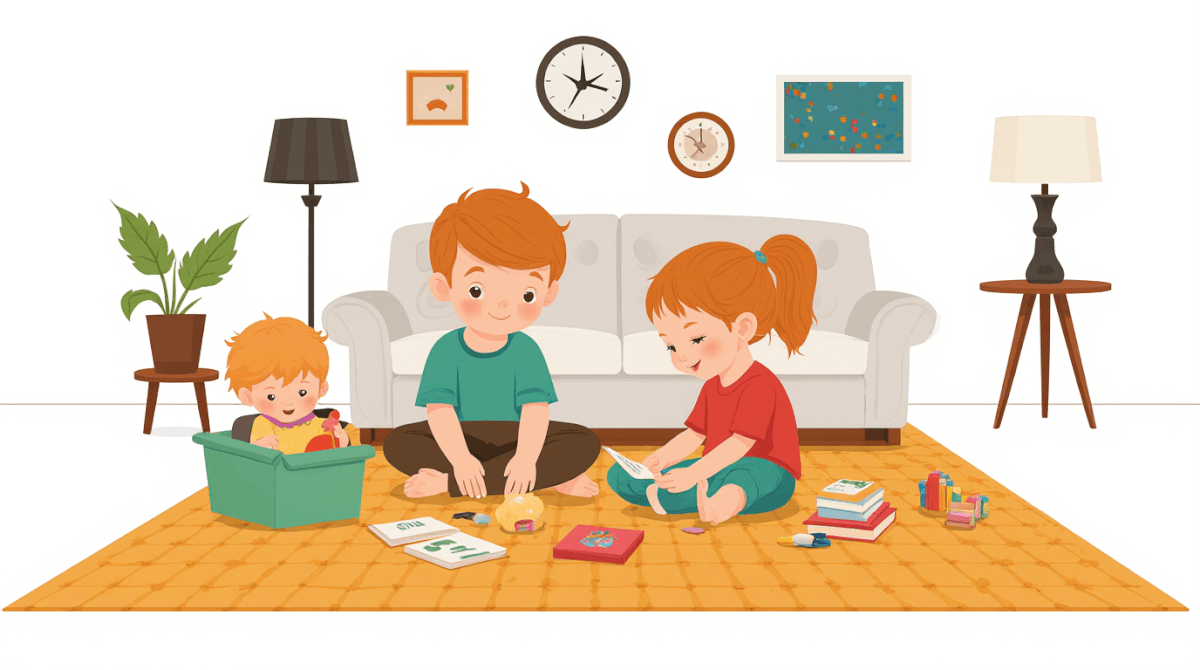
Children learn responsibility through experience, a process that is deeply influenced by the environment and early interactions within their social context. As they grow, children encounter various challenges and opportunities that help them develop a sense of accountability and self-reliance. The mechanisms through which this learning occurs are complex but essential for their overall development. By examining how daily routines, play activities, and family dynamics contribute to this process, we can better understand the intricate ways in which children absorb responsibility.
One significant aspect of learning responsibility is through participation in daily routines. A child who is involved in setting the table or preparing simple meals learns about organization and planning, essential components of being responsible. These tasks are often repetitive but offer consistent practice that gradually builds confidence and competence. The child begins to understand the importance of contributing to family life and takes pride in completing assigned chores. This routine not only teaches practical skills but also instills a sense of belonging and value within the community.
Play activities, too, play a crucial role in teaching responsibility. Whether it’s playing games that involve rules or engaging in cooperative play with peers, children learn about turn-taking, fairness, and accountability. When playing a game like hide-and-seek, a child must remember their turn to seek without peeking until the count is complete. This requires self-discipline and respect for others, key elements of responsible behavior. When children are given roles in group projects or team sports, they experience firsthand the consequences of not following through on commitments. Such experiences help them understand that actions have outcomes, reinforcing the importance of reliability and follow-through.
Family dynamics also significantly influence how children learn responsibility. The way parents set expectations, provide guidance, and model responsible behavior can shape a child’s understanding of what it means to be accountable. If a parent consistently follows through on their commitments—such as showing up for meetings or keeping appointments—they are teaching by example that reliability is important. This may seem subtle but is deeply impactful over time. When children see family members taking responsibility for their actions and the responsibilities within the household, they internalize these values.
The way parents handle mistakes can greatly influence a child’s development of responsibility. If parents respond with understanding and support when a child makes an error—such as accidentally breaking a vase or forgetting to do homework—they teach that mistakes are opportunities for learning and growth rather than punishments. This fosters resilience and a willingness to take on challenges, key components of developing responsible behavior.
Cultural contexts also play a significant role in shaping how responsibility is learned through experience. In many cultures, children are expected to contribute early on by helping with household chores or participating in community service projects. In some traditional communities, young children might be given tasks such as fetching water or tending to younger siblings while their parents are away. These roles not only teach practical skills but also instill a sense of duty and respect for the family’s well-being.
The influence of school environments should also be considered. Schools often provide structured opportunities for students to take on responsibilities, from organizing classroom activities to participating in leadership roles within clubs or sports teams. This exposure to collaborative responsibility helps children understand the importance of contributing positively to group goals. Additionally, schools might implement programs that emphasize character education, teaching values such as honesty and integrity through role models and stories.
Relational contexts further complicate but enrich this learning process. Friends and peers provide a different kind of social feedback loop that complements family influences. Through play and interaction with others, children learn about negotiation, conflict resolution, and the importance of adhering to agreements. When playing board games or participating in group projects at school, children must work together, often resolving disputes over rules or shared goals. These interactions teach them the value of compromise and cooperation—essential aspects of responsible behavior.
Learning responsibility through experience is a multifaceted process influenced by daily routines, play activities, family dynamics, cultural contexts, and educational environments. By participating in these various aspects of life, children gradually develop an understanding of what it means to be accountable and self-reliant. The environment and early experiences they encounter shape their behavior and values, setting the stage for a lifetime of responsible decision-making.
Incorporating responsibility into everyday life helps children grow into individuals who are not only capable but also mindful of their actions and their impact on others. This process is ongoing and evolves as children navigate different stages of development, making it crucial to continue fostering these values throughout their lives. As they learn through experience, they build a strong foundation for becoming reliable, responsible adults in society.
References:
– Montessori, M. (1909). The Montessori Method: Scientific Pedagogy as Applied to Child Education, Opening the Doors of Perception. Boston: Phoenix.
– Bronfenbrenner, U. (2005). Making Human Beings Human: Bioecological Perspectives on Human Development. Thousand Oaks, CA: Sage Publications.