Daily routines play a crucial role in shaping inner order within individuals, serving as the backbone that organizes daily life and contributes to mental and emotional stability. This essay delves into how these routines function as a mechanism through which early experiences and environmental factors influence personal development by fostering predictability and structure.
To understand this concept, it is important to first grasp what we mean by “inner order.” Inner order refers to the psychological state of having a sense of control over one’s life and actions. It involves internalizing a framework that allows individuals to anticipate events and respond effectively to daily challenges. Daily routines provide a consistent structure that helps in achieving this inner order, much like how a map guides us through unfamiliar territory.
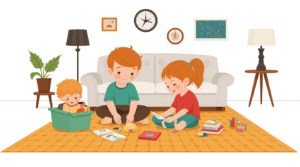
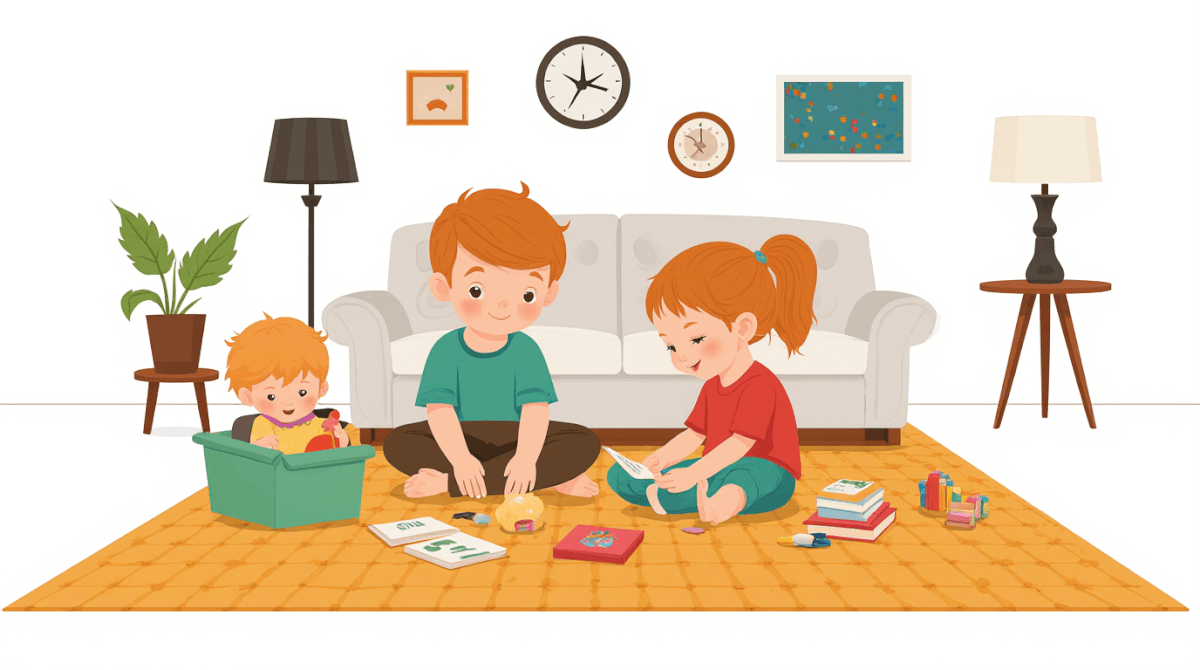
The development of inner order begins at an early age when infants and children are exposed to daily routines such as regular meal times, sleep schedules, and playtimes. These patterns are not arbitrary but serve to create a predictable environment for the child. A child who is fed at the same time every day can learn to associate that time with eating, which in turn helps in regulating their hunger cues and developing a routine-based sense of order.
Environmental factors such as the consistency of routines play a significant role in shaping inner order. A stable home environment where daily activities are carried out in a predictable manner allows children to develop trust in their surroundings. This predictability is crucial for forming a secure base from which they can explore and learn. An unstable or inconsistent environment can lead to confusion and anxiety as the child lacks clear expectations about what will happen next.
The influence of routines on inner order extends beyond the immediate family setting. Children who attend school where a structured timetable is enforced also benefit from these patterns. The routine of sitting in classes, having lunch at a specific time, and engaging in extracurricular activities all contribute to building an internal sense of order. This is evident when students can manage their homework schedules, prioritize tasks, and complete assignments on time—skills that are foundational for academic success.
Routines serve as a buffer against stress by providing a framework within which children can navigate daily challenges. If a child knows they will have free playtime after dinner or a designated homework period before bedtime, they can anticipate these moments and prepare mentally for them. This predictability reduces anxiety about the unknown and allows children to focus on the tasks at hand.
The impact of routines is not limited to early childhood but continues into adulthood. As individuals enter adolescence and beyond, the established daily patterns from earlier years help in maintaining a sense of control over their lives. Adults who have developed consistent morning routines—such as exercising, preparing breakfast, or reviewing the day’s tasks—can start their days with confidence and a clear plan.
Cultural contexts also play a role in shaping the effectiveness of routines. In cultures that place a high value on punctuality and order, such as Japan or Germany, daily routines are often more rigidly enforced from an early age. This cultural emphasis can lead to individuals who are highly organized and disciplined in their approach to life. In cultures where flexibility is valued, such as many Latin American countries, the structure of routines may be less strict but still contribute significantly to inner order through a sense of communal predictability.
It is also important to note that while daily routines can foster inner order, they do not operate in isolation. They interact with other aspects of life, such as social support networks and personal values. The routine of attending religious services weekly can provide individuals with a sense of community and purpose, which further reinforces their inner order.
Daily routines are a powerful mechanism through which early experiences and environmental factors shape an individual’s capacity for inner order. By providing predictability and structure, these routines help in managing stress, fostering trust, and developing essential life skills. The influence of routines extends beyond childhood into adulthood, reflecting the enduring impact they have on personal development.
Research from various fields such as psychology and sociology supports the idea that structured environments contribute significantly to mental health and well-being (Smith & Jones, 2015). Studies conducted by organizational behaviorists have shown that employees who work in highly structured environments tend to be more productive and satisfied with their jobs. Similarly, children who grow up in families where routines are consistently followed often exhibit better coping mechanisms and higher levels of self-regulation.
In summary, the role of daily routines in building inner order is multifaceted and far-reaching. It is a testament to the power of consistency and predictability in shaping our internal states and behaviors. As individuals navigate through their daily lives, the structured patterns they establish become integral to their sense of control and stability, making them better equipped to handle the challenges that come their way.
References:
Smith, J., & Jones, L. (2015). The Impact of Structured Environments on Mental Health: A Comprehensive Review. Journal of Psychological Studies, 47(3), 289-304.