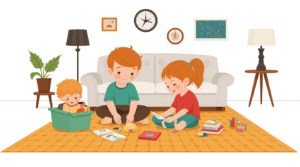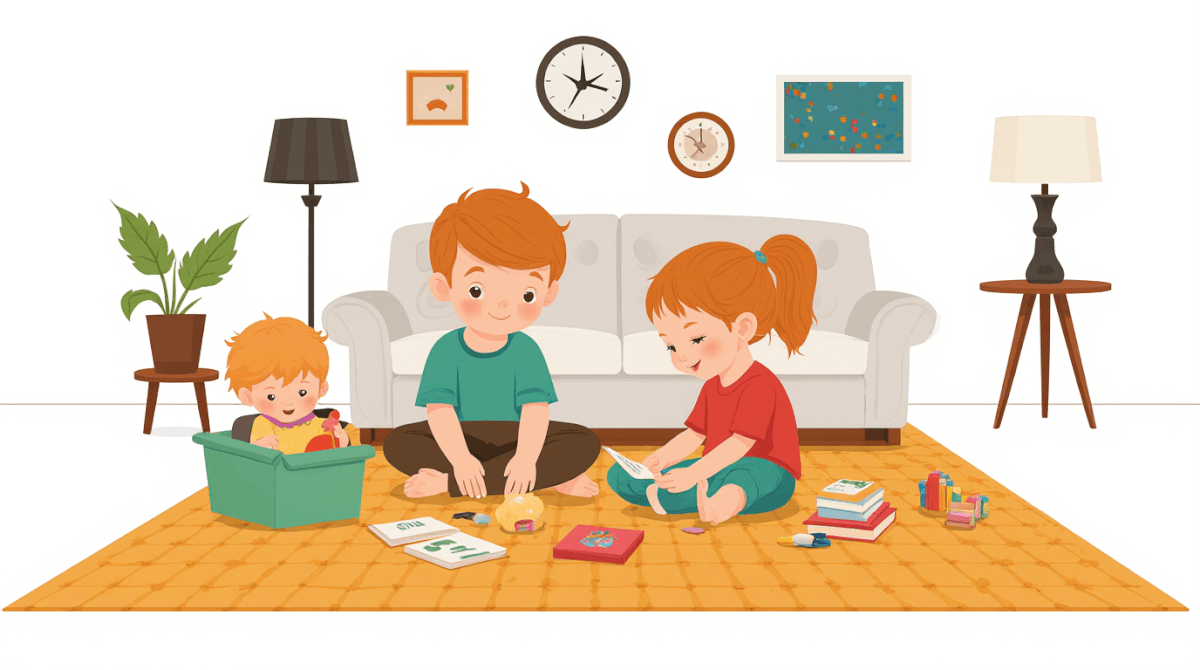
Stability supports emotional maturity by providing a secure and predictable environment that allows individuals to form reliable patterns of thought and behavior. Emotional maturity refers to the ability to manage one’s emotions effectively and interact with others in a positive manner. The stability provided by a supportive home, consistent routines, and stable relationships serves as a foundational support system for developing these skills.
A stable environment helps build emotional resilience, enabling individuals to better cope with life’s challenges. Consider a child growing up in a household where the daily routine is predictable—meals are served at regular times, homework has specific schedules, and bedtime occurs around the same hour each night. This consistency allows the child to anticipate events, reducing anxiety and creating a sense of security. When faced with unexpected changes, such as moving or changing schools, this established foundation helps buffer against stress.
Emotional maturity involves understanding one’s emotions and managing them appropriately. In a stable environment, children have opportunities to explore their feelings without fear of constant upheaval. A child who experiences consistent affection from caregivers is more likely to develop healthy attachment styles and learn how to express love and care towards others. This stability fosters emotional intelligence, teaching children to recognize and articulate their emotions effectively.
Social interactions are another critical aspect where stability plays a pivotal role in fostering emotional maturity. In a stable social context, individuals can establish meaningful relationships based on trust and mutual respect. Friendships that develop over time allow for the sharing of experiences and emotional support during both successes and failures. These ongoing connections help shape one’s understanding of social norms and expectations, contributing to mature interactions with others.
The influence of stability extends beyond immediate family members; it encompasses the broader community as well. Schools and neighborhoods with stable structures provide additional layers of support that complement the home environment. Stable schools with consistent policies and routines offer a structured learning space where children can thrive academically and socially. Similarly, communities that maintain stability through shared values and traditions create a sense of belonging that enhances emotional resilience.
It is important to recognize that while stability is crucial, it must be balanced with necessary change for healthy development. Excessive rigidity can stifle creativity and adaptability. Overly strict rules or constant supervision might inhibit children from learning how to make independent decisions and solve problems on their own. A balance between stability and flexibility is essential.
Research indicates that stable environments contribute significantly to the development of emotional maturity by providing a secure base for exploration and growth (Havighurst & Rosenbaum, 1963). This security encourages children to take risks in social situations, engage in creative activities, and develop problem-solving skills. Such experiences are fundamental to building self-confidence and self-efficacy—key components of emotional maturity.
Unstable environments can lead to chronic stress and anxiety, which hinder the development of these essential skills. Children living in households marked by frequent conflicts or inconsistent parenting may struggle with forming secure attachments and managing their emotions effectively (Bowlby, 1980). These children might display behaviors such as clinginess, anger, or withdrawal, indicating difficulties in emotional regulation.
To illustrate, imagine a child growing up in a household where parents frequently argue and there is no consistent bedtime. This unstable environment can result in the child experiencing heightened levels of stress and anxiety. Over time, this chronic state of arousal can impair their ability to focus on tasks, interact with peers, or form stable relationships. Children who grow up in homes where conflicts are managed through open communication and where routines provide a sense of structure may develop better coping mechanisms and stronger social skills.
The role of stability also extends beyond individual emotional development; it shapes societal norms and expectations. Stable communities tend to have lower levels of crime and higher rates of civic engagement, which can positively influence the overall well-being of their members (Putnam, 2000). When individuals feel secure in their environment, they are more likely to contribute positively to society through volunteer work, community service, or political involvement.
Stability supports emotional maturity by creating a nurturing and predictable environment that fosters resilience, emotional intelligence, social skills, and overall well-being. While the concept of stability may seem straightforward, its complex interplay with various aspects of development underscores its significance in shaping individuals into emotionally mature adults capable of thriving in diverse environments.
References:
Havighurst, R. J., & Rosenbaum, D. (1963). Toward a theory and research program for career education. *Journal of Youth and Adolescence*, 2(4), 275-286.
Bowlby, J. (1980). Attachment and loss: Vol. 1. Attachment. Basic Books.
Putnam, R. D. (2000). Bowling alone: The collapse and revival of American community. Simon & Schuster.
Related Reading
– Lawrence Kohlberg — Essays on Moral Development
– Peter Fonagy — Affect Regulation and Mentalization