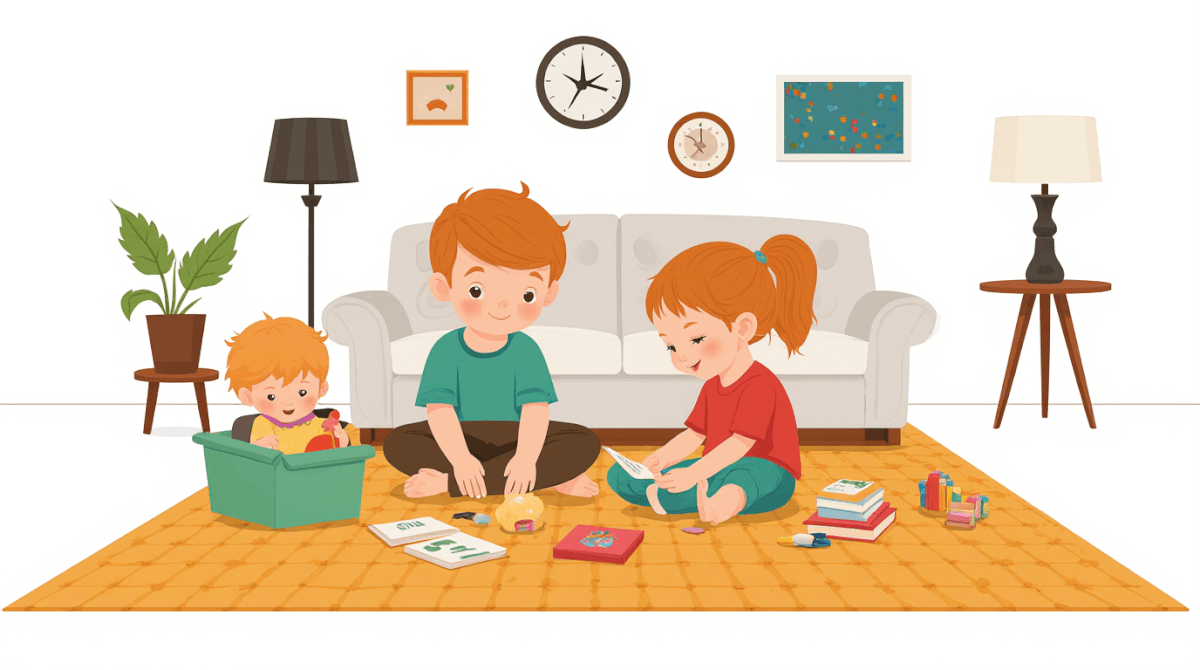
Emotional responsibility refers to the capacity to understand and manage one’s emotions effectively, which plays a crucial role in shaping how individuals interact with their environment and form relationships. This essay will focus on how early life experiences—specifically, the quality of attachment formed between caregivers and children—shape emotional responsibility during critical developmental stages.
In the first year of life, infants are highly dependent on their primary caregivers for survival. The relationship that develops between a child and their caregiver forms the basis of secure or insecure attachment styles. Securely attached children tend to feel safe exploring their surroundings because they know they can rely on their caregiver for comfort and support when needed. This secure base allows them to experience and process emotions in a way that is healthy, fostering emotional responsibility.
Consider an infant who cries when separated from their mother. If the mother consistently returns with soothing responses, the child learns that it is safe to explore the world while also knowing that comfort is available if needed. Over time, this pattern of behavior leads to internalization of these patterns into a secure attachment style, which lays the foundation for emotional responsibility.
Children who experience inconsistent or rejecting care often develop insecure attachments such as avoidant or anxious-ambivalent styles. These children might struggle with managing their emotions because they do not have a consistent source of comfort and support when facing challenges. They may become overly self-reliant, avoiding seeking help even when needed, or overly dependent on others to manage their emotional states.
An avoidantly attached child might suppress their emotions in response to perceived rejection by caregivers, leading to difficulties in expressing genuine feelings later in life. An anxious-ambivalent child may seek constant reassurance from caregivers, which can lead to feelings of inadequacy when such support is not available.
The impact of attachment styles on emotional responsibility extends beyond early childhood into adolescence and adulthood. Adolescents with secure attachments tend to have better social skills and coping strategies for dealing with stress. They are more likely to seek out healthy relationships and maintain open communication, all of which contribute to their overall emotional well-being.
Insecurely attached individuals may struggle with forming deep connections due to past experiences where emotional needs were not met consistently. They might exhibit behaviors such as overcompensation or withdrawal in response to perceived threats to their emotional stability. These patterns can significantly affect their ability to develop healthy relationships and manage emotions effectively throughout life.
The process through which secure attachment influences the formation of emotional responsibility is multifaceted. It begins with a caregiver’s responsiveness to an infant’s needs, providing them with a sense of safety and predictability. This secure base enables children to explore their environment confidently, knowing that their primary caregiver will be there to offer comfort if needed.
Imagine a mother who responds promptly and sensitively when her baby shows signs of distress. Over time, this consistent behavior helps the child develop trust in the world and their caregivers, fostering a sense of security. This secure foundation allows children to experiment with emotions freely without fear of abandonment or neglect, which is crucial for emotional growth.
Caregivers who model healthy emotional expression also contribute significantly to the development of emotional responsibility. Children learn through observation that it is acceptable to express feelings openly and seek support when needed. A caregiver might comfort their child after a fall by acknowledging the feeling of pain and providing reassurance, teaching the child how to handle disappointment constructively.
The quality of interactions between caregivers and children during early life also plays a critical role in shaping emotional responsibility. Positive reinforcement through praise or encouragement for expressing emotions appropriately helps children develop a positive view of themselves and their abilities. Criticism or dismissiveness can lead to feelings of inadequacy and fear of vulnerability, hindering the development of healthy emotional responses.
Consider two siblings who experience different parenting styles during early life. One sibling receives consistent validation for expressing emotions, leading to better self-esteem and emotional resilience. The other faces frequent criticism, which may result in suppressed emotions or emotional reactivity. These differences highlight how early experiences shape emotional responsibility in adulthood.
In addition to caregiver behavior, the broader social and cultural context also influences the formation of emotional responsibility. Cultural norms regarding emotion expression can significantly impact children’s understanding of what is considered acceptable or not. Some cultures may encourage open displays of emotions, fostering a more expressive approach, while others might suppress emotional expression, leading to internalized feelings.
A study by Bowlby (1969) highlights the importance of social context in attachment development. He observed that children’s emotional responses are closely tied to their understanding of their environment and the expectations set by society. This underscores how cultural factors can shape not only individual attachment styles but also the broader frameworks within which children develop emotional responsibility.
Early educational experiences further reinforce these patterns. Schools and other social institutions often reflect the attitudes towards emotion expression that children have learned from their caregivers. Children who grow up in environments where emotional intelligence is valued are more likely to adopt healthy coping strategies and emotional management skills.
A classroom setting that encourages empathy and communication can provide children with opportunities to practice expressing emotions constructively. This supportive environment complements the foundational work done by caregivers at home, reinforcing positive emotional behaviors and fostering resilience.
The formation of emotional responsibility in early life is deeply influenced by the quality of attachment formed between caregivers and children. Secure attachments provide a foundation for healthy emotional development, enabling individuals to explore their surroundings confidently while also knowing they can rely on support when needed. Insecure attachments, can lead to difficulties in managing emotions effectively throughout life.
Understanding the mechanisms through which early experiences shape emotional responsibility is crucial for fostering healthy developmental outcomes. While individual differences and cultural contexts play significant roles, the consistent availability of supportive caregivers remains a critical factor in building the emotional resilience necessary for navigating life’s challenges with grace and confidence.
Bowlby, J. (1969). Attachment and loss: Vol. 1. Attachment. Basic Books.
Shaver, P. R., & Mikulincer, M. (2007). Adult attachment theory and research: A review and an integration. *Psychological Bulletin*, 133(5), 743-771.