Emotional guidance plays a crucial role in shaping long-term growth by influencing how individuals process emotions, develop emotional intelligence, and form healthy relationships with others. This essay will delve into the specific mechanism of emotional validation, which is critical for fostering resilience and promoting overall well-being over time.
When children are emotionally validated, they learn to recognize and articulate their feelings without fear of judgment or rejection. Imagine a child who expresses sadness about losing a favorite toy. If an adult responds by saying, “I understand how upset you feel; it’s okay to be sad,” this validation helps the child internalize that it is acceptable to have and express emotions. Over time, such experiences build emotional resilience—a key component of long-term growth.
Emotional validation occurs through various interactions, including conversations, physical touch, and non-verbal cues. A parent might give a reassuring hug or maintain eye contact when a child shares a happy or sad experience. These small gestures signal to the child that their emotions are important and acknowledged, reinforcing positive emotional experiences and fostering secure attachment.
Children who receive consistent validation learn to regulate their emotions more effectively. They understand that it is normal to feel a range of emotions and that these feelings can be managed constructively. This ability to manage emotions becomes increasingly important as individuals navigate complex social situations in school, work, and personal relationships. Emotional intelligence, which involves the ability to recognize, understand, and manage one’s own emotions and the emotions of others, is significantly enhanced through such validation.
Emotional validation encourages children to explore their feelings more openly. This openness can lead to a deeper self-understanding, enabling individuals to address and work through emotional challenges in a healthier way later in life. An adolescent who was emotionally validated as a child might feel more comfortable discussing difficulties they are facing with friends or seeking help from professionals when needed.
The influence of emotional validation extends beyond individual development; it also shapes the social fabric within communities. Emotionally intelligent individuals are better equipped to build and maintain relationships based on mutual respect and understanding. In turn, these strong interpersonal connections contribute to a supportive community environment that further fosters personal growth.
The impact of emotional validation is not uniform across all children or contexts. Cultural norms, family dynamics, and socioeconomic factors can significantly influence how consistently and effectively children receive emotional validation. In some cultures, expressing emotions openly might be discouraged, potentially leading to less emotional validation despite a supportive environment. In communities where emotional expression is encouraged, children may benefit from more frequent and varied opportunities for emotional validation.
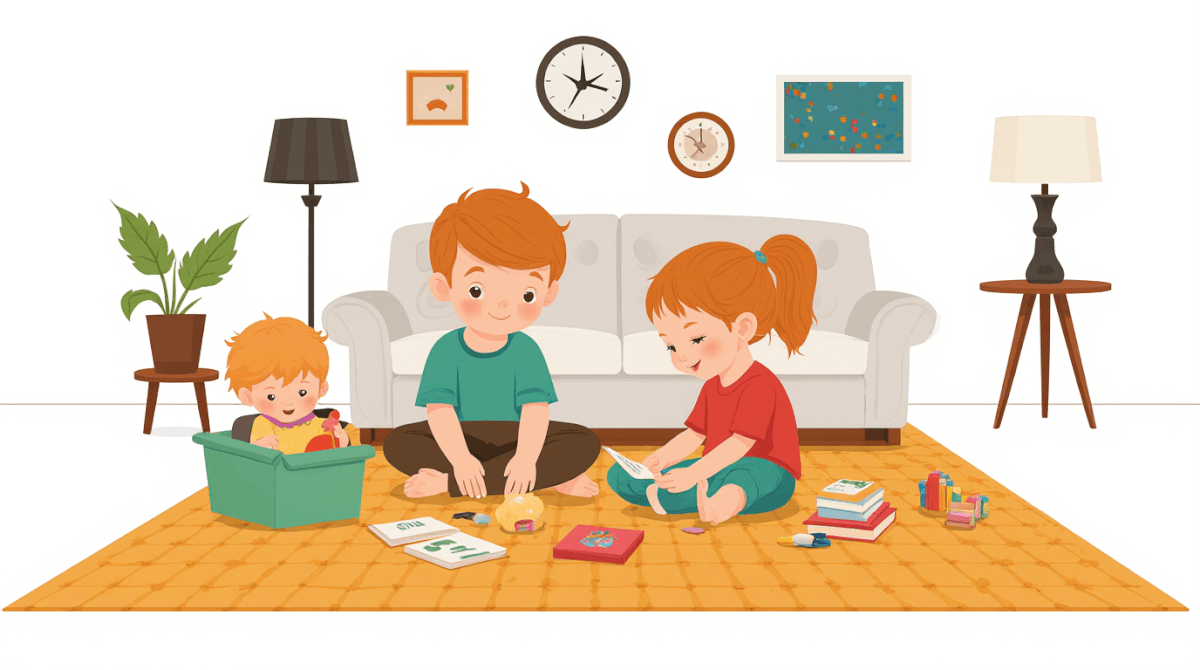
To illustrate the broader implications of emotional validation, consider the example of two siblings growing up in different households. In both cases, they have a basic understanding of emotions but differ in how their parents interact with them emotionally. The sibling whose parents are attuned to their feelings and provide consistent validation is likely to develop better emotional regulation skills and stronger relationships. Over time, this child might also experience higher levels of happiness and reduced stress compared to the sibling who receives less emotional support.
Children who do not receive adequate emotional validation may struggle with managing emotions, leading to behavioral issues or emotional distress later in life. They might become overly sensitive or develop maladaptive coping mechanisms such as avoidance or aggression. These challenges can impact their ability to form meaningful relationships and achieve personal goals.
The absence of emotional validation can contribute to mental health issues like anxiety and depression. Research has shown that individuals who grow up without a sense of emotional security are more likely to experience these conditions due to unresolved emotional conflicts. Emotional guidance, is not just about immediate comfort but also about laying the groundwork for long-term psychological well-being.
Emotional validation is a fundamental mechanism through which emotional guidance shapes long-term growth by fostering resilience, emotional intelligence, and healthy relationships. By recognizing and validating emotions, individuals can develop tools to navigate life’s challenges more effectively. While cultural and environmental factors play significant roles in this process, the consistent practice of emotional validation remains crucial for promoting overall well-being.
This analysis underscores the importance of creating emotionally supportive environments that validate and nurture the emotional development of children and adolescents. As society continues to evolve, it is essential to recognize and address the varied needs of individuals to ensure that everyone has access to the emotional guidance necessary for sustained growth and happiness.
References:
– Lewis, M., Amini, F., & Lannon, R. (2007). A general theory of love: How affection shapes our biology, psychology, and behavior. Random House.
– Schore, A. N. (2012). Affect regulation and the origin of the self: Development in relational being. Routledge.
Related Reading
– Robert Sapolsky — Behave (developmental implications)
– Alison Gopnik — The Philosophical Baby