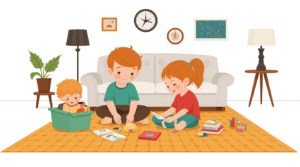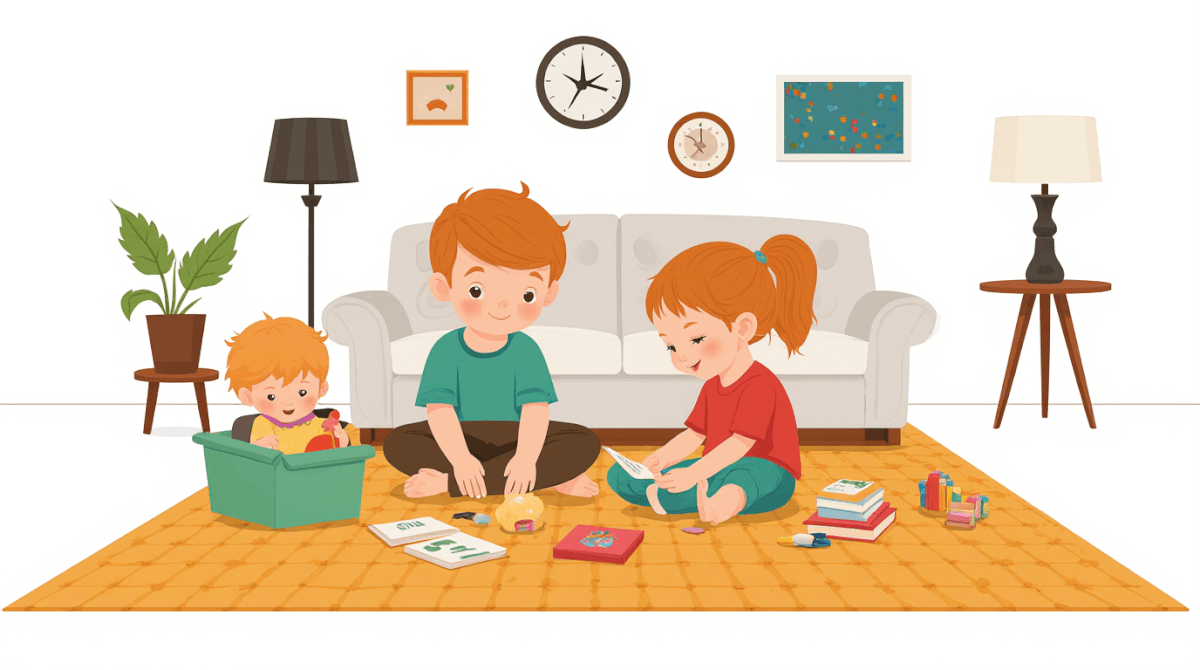
Children develop balanced emotional responses through a complex interplay of biological, environmental, and psychological factors that shape their emotional regulation skills. A key mechanism influencing this development is the caregiver-child relationship, which provides a foundation for emotional balance. This essay will delve into how early interactions between caregivers and children form an integral part of developing emotional intelligence and resilience.
From infancy to early childhood, infants rely on caregivers for emotional security, safety, and comfort. The quality of these interactions shapes not only the child’s ability to recognize and express emotions but also their capacity to manage and adapt to various emotional states. When a caregiver consistently responds promptly and soothingly to an infant’s cries, the child learns that emotional needs are met and begins to develop trust. This early sense of security is crucial because it sets the stage for future emotional responses.
During these formative years, children begin to internalize the emotional cues and reactions from their caregivers. If a caregiver frequently uses words like “calm down” or “don’t worry,” the child may start to associate these phrases with managing strong emotions. Over time, such experiences help the child develop self-regulation strategies that involve recognizing feelings and finding appropriate ways to express them.
The environment in which children grow up significantly influences their emotional development. Families who engage in open discussions about feelings and emotions create an atmosphere of emotional openness. In such environments, children learn to articulate their thoughts and feelings more effectively. Homes where emotions are frequently suppressed or ignored can lead to difficulties in expressing oneself emotionally.
The concept of “emotional mirroring” is particularly important here. Emotional mirroring involves caregivers reflecting back to a child what they are feeling. If a child feels scared during a thunderstorm, a caregiver might say, “It’s okay to feel scared when there’s loud noise outside,” and then offer comfort through physical closeness or soothing words. This interaction helps the child understand their feelings and learn appropriate ways to cope with them.
As children grow, they encounter various social situations that further refine their emotional responses. Peer interactions in schools and communities provide additional opportunities for emotional learning. Children who are part of supportive peer groups often develop stronger emotional resilience because they receive positive feedback from peers when dealing with challenges or conflicts. Those who face persistent negative experiences may struggle to form balanced emotional responses.
It is essential to recognize that emotional balance does not mean the absence of emotions but rather an ability to navigate them effectively and healthily. This concept is particularly important as children enter adolescence, a period marked by heightened emotional fluctuations due to hormonal changes. Adolescents need strong emotional foundations built during childhood to manage these intense feelings.
The role of positive reinforcement cannot be overstated in developing balanced emotional responses. When caregivers acknowledge and appreciate their children’s efforts to regulate emotions, it reinforces healthy behaviors. Praising a child for taking deep breaths when feeling angry can encourage them to use this technique again next time. Similarly, celebrating small victories in emotional management helps build confidence.
Negative reinforcement or punishment for expressing emotions can have detrimental effects. Criticizing a child for being upset or telling them not to feel certain emotions can lead to internalization of negative feelings and difficulty in expressing them healthily later in life. Such practices may result in emotional suppression, which can manifest as anxiety, depression, or other mental health issues.
Understanding the role of cultural context is also crucial. Different cultures have varying norms regarding emotion expression. Some cultures encourage open expression of emotions while others promote emotional restraint. Caregivers who are aware of these differences and adjust their responses accordingly help children navigate cultural expectations without compromising their emotional well-being.
The development of balanced emotional responses in children is a multifaceted process influenced by the caregiver-child relationship, environmental factors, and cultural norms. Through consistent and positive interactions, caregivers play a vital role in shaping how children perceive and manage their emotions. By fostering an environment that values open communication and emotional exploration, parents and educators can help children develop robust emotional intelligence—equipping them with the tools necessary to navigate life’s challenges effectively.
References:
Hartup, W. (1996). The importance of peer relationships in development. *American Psychologist*, 51(3), 398-405.
Shonkoff, J. P., & Phillips, D. A. (2000). *From neurons to neighborhoods: The science of early childhood development*. National Academy Press.
Related Reading
– Adele Faber & Elaine Mazlish — How to Talk So Kids Will Listen & Listen So Kids Will Talk
– James Heckman — The Economics of Early Childhood