Stability builds secure identity through the establishment of a stable and supportive environment that allows individuals to form strong, positive attachments. These attachments create a sense of security and predictability, which are foundational for developing a robust and resilient self-concept. In analyzing this concept, we can explore how early experiences within a stable framework influence an individual’s ability to navigate relationships and societal roles effectively.
To understand the mechanism through which stability builds secure identity, it is essential to first examine the role of attachment theory in child development. Attachment theory posits that infants develop emotional bonds with their caregivers, forming a basis for understanding trust and security in interpersonal relationships. A stable environment, marked by consistent care, support, and responsiveness from caregivers, fosters healthy attachments. These secure attachments lay the groundwork for developing a sense of self-worth and confidence.
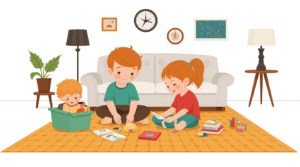
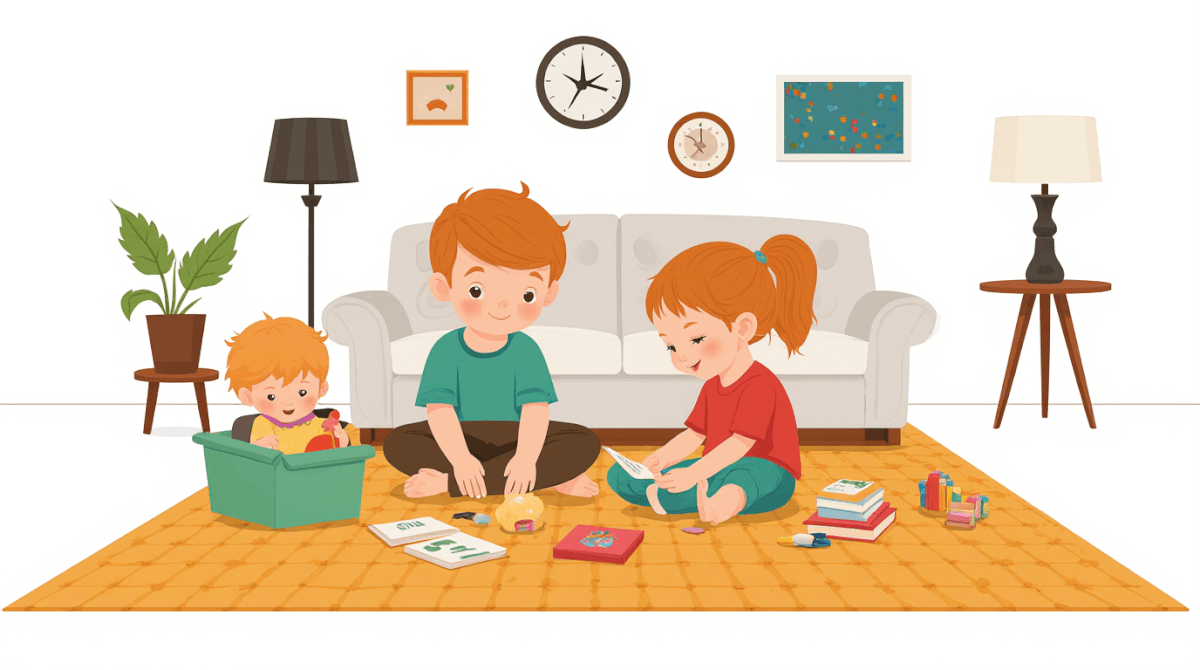
Consider a scenario where a child grows up in an environment characterized by stability. Imagine a home where parents consistently provide emotional support and are attentive to their child’s needs. In such settings, children learn that they can rely on others when they feel threatened or anxious. This reliance is crucial for building trust not only within the family but also as children interact with peers and adults outside the home.
The impact of this stable environment extends beyond immediate interactions; it shapes how an individual perceives themselves in various social contexts. A child who has experienced consistent care and support may develop a positive self-image, believing that they are worthy and capable. This self-image serves as a foundation for forming healthy relationships and handling challenges confidently. Children who grow up in unstable environments might struggle with feelings of insecurity or inadequacy, which can manifest in difficulties forming lasting connections.
The stability provided by secure attachments facilitates resilience. When faced with adversity or uncertainty, individuals with a secure identity are better equipped to handle stress because they have internalized the belief that support is available. During school years, children who feel secure due to stable relationships might approach difficult tasks more confidently and persistently in the face of failure, knowing that help is always available.
The process of developing a secure identity also involves the integration of cultural and social values within the stable environment. Cultural norms and societal expectations shape how individuals view themselves and their roles in society. A stable home where these values are consistently reinforced provides a context for children to understand and internalize these influences. In communities that emphasize cooperation and community service, children growing up in such environments are more likely to develop identities centered around social responsibility.
It is important to note that the stability required to build secure identity is not merely physical or emotional; it encompasses mental and psychological aspects as well. The predictability of routines, consistent interactions, and stable roles within a family contribute significantly to this process. A predictable bedtime routine can help children develop a sense of order and calmness, contributing to their overall well-being and the stability of their identity.
The influence of early experiences on secure identity is not limited to just the home environment. Schools and other community institutions play a vital role in reinforcing or challenging the foundations laid during childhood. Supportive teachers who understand and respond to students’ needs can complement the stable home environment, providing additional layers of support that strengthen an individual’s sense of security.
Unstable environments characterized by inconsistency and unpredictability hinder the development of secure identity. In homes where parents are absent or neglectful, children may struggle with forming trusting relationships and developing a positive self-image. This instability can lead to higher levels of anxiety and lower self-esteem, making it difficult for individuals to navigate social situations confidently.
The effects of an unstable environment on identity formation extend into adulthood as well. Individuals who experienced significant instability during their formative years might find it challenging to establish long-term relationships or maintain consistent career paths. They may also face difficulties in setting boundaries or trusting others fully, which can limit their overall life satisfaction and success.
It is worth noting that while stability is crucial for building secure identity, it does not imply a rigid or overly structured environment. A balance between structure and flexibility allows individuals to develop resilience and adaptability. A family where there are clear expectations but also room for individual expression can foster both security and independence.
The role of technology in modern life further complicates the issue of stability. While digital tools provide new opportunities for connection and support, they can also introduce unpredictability through constant exposure to external influences and information. Balancing the use of technology with consistent offline interactions is essential for maintaining a stable environment that supports secure identity development.
The process by which stability builds secure identity is multifaceted, involving emotional, social, cultural, and technological dimensions. A stable environment provides a foundation for forming secure attachments, developing positive self-concepts, and navigating life’s challenges with resilience. This process highlights the importance of consistent care, supportive interactions, and the integration of cultural values in shaping individual identities. By understanding and fostering these elements, we can better support the development of secure identity in individuals, laying the groundwork for their overall well-being and success.
In summary, stability is a critical component in building secure identity through the establishment of consistent and supportive environments that foster positive attachments and self-concepts. As society continues to evolve, it becomes increasingly important to recognize and nurture these foundational elements to ensure healthy development and resilience in individuals.
References:
1. Bowlby, J. (1969). Attachment and Loss: Vol. 1. Attachment. Basic Books.
2. Ainsworth, M. D. S., Blehar, M. C., Waters, E., & Wall, S. (1978). Patterns of Attachment: A Psychological Study of the Strange Situation. Erlbaum.