A key mechanism through which emotional endurance develops in childhood is the interaction between the child and caregivers during emotionally charged situations. These interactions not only affect how children process their own emotions but also teach them valuable coping strategies that they can use throughout life. Caregivers play a pivotal role as guides, offering support, validation, and guidance on appropriate ways to handle emotional challenges.
During these early experiences, one of the most important aspects is the caregiver’s emotional availability and responsiveness. When a child expresses sadness over losing a toy, a responsive parent might offer comfort by acknowledging the feeling: “I know you’re sad because you really liked that toy.” This acknowledgment helps the child recognize their emotions and understand they are valid. Over time, children learn to connect their feelings with words and actions, which is foundational for emotional regulation.
Caregivers often model how to handle emotions in difficult situations. If a caregiver calmly addresses problems or expresses frustration constructively, they set an example that the child can emulate. When a caregiver faces a stressful situation, such as a traffic jam on the way to school, maintaining calm and humor—such as saying “At least we have plenty of time for snacks today!”—can help the child understand that not all challenges are dire and can be managed with a positive attitude.
It is important to note that emotional endurance does not develop in isolation. The broader social and cultural context plays a significant role. In a society where open expression of emotions is encouraged, children might feel more comfortable expressing their feelings, leading them to develop better emotional regulation skills. Cultures that emphasize suppressing emotions might hinder children’s ability to openly address and process difficult feelings.
In addition, the quality and consistency of these interactions significantly impact a child’s development. Frequent, positive interactions where caregivers are attentive and supportive foster a sense of security in the child. This security is crucial because it allows the child to explore their emotional landscape without fear of negative consequences, leading to better emotional regulation over time.
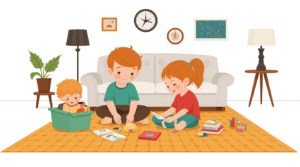
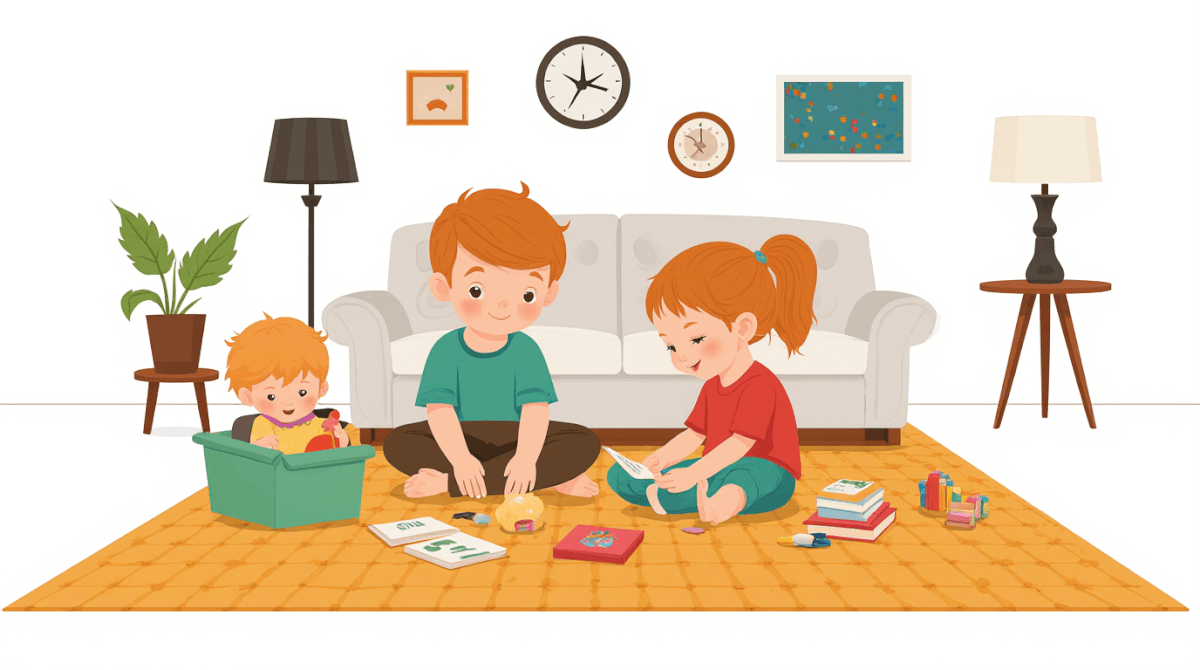
Another important factor is the presence of multiple social relationships beyond just the primary caregiver. Siblings or peers can provide an additional layer of support and understanding during emotionally challenging times. When a child faces difficulties with a peer, a supportive sibling or friend might offer reassurance: “It’s okay to feel upset; I’ve been there too.” This interaction helps the child learn how to seek support from others and build relationships that are both comforting and functional.
Cultural expectations and norms also influence emotional endurance. In some cultures, resilience is highly valued and children are encouraged to handle problems independently. In many East Asian societies, parents often encourage their children to face challenges head-on with minimal external help, fostering a sense of self-reliance that can translate into greater emotional endurance.
The role of positive reinforcement cannot be understated either. When caregivers provide praise for managing emotions well, it reinforces the child’s efforts and motivates them to continue developing these skills. After a child successfully uses deep breathing exercises to calm down during an argument with a sibling, a parent might say, “Great job using those breathing techniques; you handled that really well.” Such feedback not only acknowledges the effort but also encourages the child to repeat positive behaviors in future situations.
It is also worth noting that emotional endurance can be influenced by both internal and external factors. Internally, children’s natural temperament plays a role—some may naturally have more emotional stability than others. Externally, the frequency and intensity of emotionally charged events can impact development. Frequent exposure to high-stress scenarios might initially overwhelm a child but could also push them to develop stronger coping mechanisms over time.
The environment itself can be a significant factor in developing emotional endurance. Children who grow up in stable, predictable environments with consistent routines may find it easier to manage unexpected changes than those from more chaotic backgrounds. A structured home life provides a sense of security that allows children to explore and learn new things without constant worry.
Inconsistent or unpredictable environments can lead to higher levels of stress and anxiety, making it harder for children to develop emotional regulation skills. If a child’s daily schedule varies unpredictably due to work commitments of parents or other external factors, they might struggle with managing the emotional ups and downs that come with such variability.
It is important to recognize that emotional endurance does not develop uniformly across all aspects of life. While some children may be more resilient in certain situations (like academic challenges) but less so in social ones, others might excel in social settings while struggling academically. This highlights the complex interplay between various factors shaping a child’s ability to handle emotions.
The development of emotional endurance is also influenced by the broader socio-economic context. Children from economically stable backgrounds often have access to more resources and support systems that can foster better emotional regulation skills. They might participate in structured activities like sports or music lessons where they learn about perseverance and self-discipline, both crucial for developing emotional endurance.
Children from less privileged backgrounds may face greater challenges but can also develop resilience through necessity. They might navigate difficult situations without resources, teaching them valuable coping mechanisms that can be transferred to managing emotions more effectively.
The impact of technology and media on emotional development is another factor worth considering. While social media platforms provide a space for emotional expression and support, they can also expose children to overwhelming amounts of information and unrealistic expectations, potentially complicating their ability to process and regulate emotions.
The development of emotional endurance in childhood is a multifaceted process influenced by a combination of internal and external factors. Caregiver responsiveness, cultural context, social relationships, and broader environmental conditions all play critical roles. By understanding these dynamics, educators, parents, and caregivers can provide more effective support to children as they navigate their emotional landscapes.
In a world where emotional intelligence is increasingly recognized as essential for personal growth and success, fostering emotional endurance in childhood lays the groundwork for resilience and well-being throughout life.