
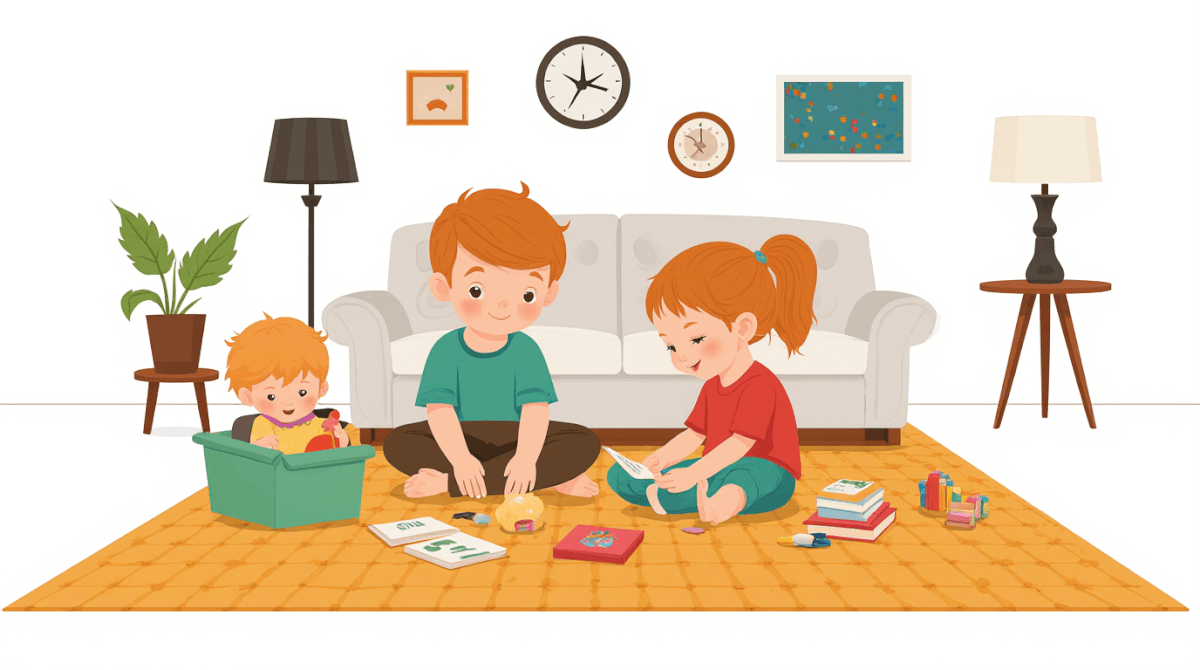
Predictability in the form of consistent routines and clear expectations can significantly shape a child’s emotional well-being and social development. This predictable guidance provides a stable foundation that influences how children perceive the world around them, their ability to handle stress, and their interactions with others. A routine that includes meal times, bedtime stories, and regular physical activity, offers structure which helps in managing emotions effectively.
Understanding predictability within this context begins by examining its role in fostering emotional security. When children know what to expect, they feel safe and secure, reducing anxiety and promoting a sense of stability. This is akin to how we adults find comfort in familiar routines like having coffee every morning or checking the weather before heading out. A child who knows that after lunch comes playtime followed by nap time can anticipate these events, leading to less worry about what might happen next.
Predictable guidance nurtures emotional regulation skills. As children experience consistent patterns and routines in their lives, they learn how to manage their emotions more effectively. This process begins with simple activities like recognizing when they are hungry or tired based on the cues from their bodies, which is then reinforced by external cues such as meal times or bedtime. Over time, this builds a foundation for understanding cause and effect relationships, enabling children to predict potential outcomes of their actions and adjust their behavior accordingly.
A crucial aspect of predictable guidance is its role in shaping social interactions. Children who experience consistent routines are better equipped to engage with others because they have a clearer sense of how to behave and react in different situations. Knowing that it’s polite to say “please” and “thank you” during meals not only fosters good manners but also promotes positive relationships with family members and peers.
The influence of predictable guidance extends beyond the individual child; it impacts the broader social environment as well. When children are emotionally secure and capable of regulating their emotions, they can contribute positively to family dynamics and community interactions. This predictability in behavior leads to more harmonious family settings where conflicts are less likely due to better understanding and anticipation of each other’s needs.
Another significant impact of predictable guidance is its contribution to academic readiness. Children who experience consistent routines tend to be more focused and engaged during learning activities because they have developed the ability to concentrate on tasks for extended periods. This preparedness translates into improved academic performance as well, making it easier for them to follow instructions, stay organized, and participate actively in class.
In addition to these benefits, predictable guidance also plays a crucial role in developing resilience among children. By providing a stable framework within which they can explore and learn new things, predictability helps build confidence and coping mechanisms that are essential when faced with challenges or unexpected changes. Knowing how to handle the transition from school to home after an unpleasant day at kindergarten provides a sense of control over their emotions and environment.
It is important to note that while predictable guidance is beneficial, it does not imply rigid adherence to strict rules without flexibility. Flexibility within routines allows for spontaneity and adaptation to new situations, which further enhances children’s problem-solving skills and ability to think creatively. Celebrating a child’s birthday with an unexpected surprise like a trip to the park or a homemade treat can be as valuable as sticking to planned activities.
The emotional influence of predictable guidance is evident in various aspects of development, from fostering emotional security and regulation to enhancing social interactions and academic readiness. By providing consistent routines and clear expectations, adults play a vital role in shaping children’s emotional well-being and preparing them for the challenges they will face throughout their lives. This approach not only supports individual growth but also contributes to stronger family bonds and more harmonious communities.
While predictable guidance offers numerous benefits, it is essential to maintain balance by incorporating flexibility into routines. This ensures that children can develop resilience and creative thinking skills necessary for navigating a dynamic world. The emotional influence of predictable guidance lies in its ability to provide a secure foundation from which children can explore, learn, and grow in an environment where they feel understood and supported.
Related Reading
– Sarah-Jayne Blakemore — Inventing Ourselves (adolescent transition)
– Donald Winnicott — Playing and Reality



