
Emotional balance plays a crucial role in shaping one’s identity through the complex interplay of internal psychological processes and external environmental factors. It is the dynamic equilibrium that allows individuals to navigate their feelings effectively, influencing how they perceive themselves and interact with the world around them. Emotional balance does not merely exist as an abstract concept but actively shapes our sense of self by modulating our responses to stress, shaping our social relationships, and informing our value systems.
At its core, emotional balance involves the ability to process emotions appropriately without being overwhelmed by them. This mechanism operates through a series of interconnected processes that are deeply influenced by both internal states and external factors such as family dynamics, cultural norms, and societal expectations. By understanding these interactions, we can better appreciate how emotional balance contributes to an individual’s identity formation.
The psychological aspect of emotional balance primarily involves the regulation of emotions. This process is closely linked with the development of cognitive control—a skill that allows individuals to manage their reactions based on situational context rather than purely emotional impulses. A child who learns from parents and caregivers to take deep breaths or step away when feeling angry develops better emotional regulation skills. Over time, these learned behaviors become ingrained in one’s personality, influencing decision-making processes and self-perception.
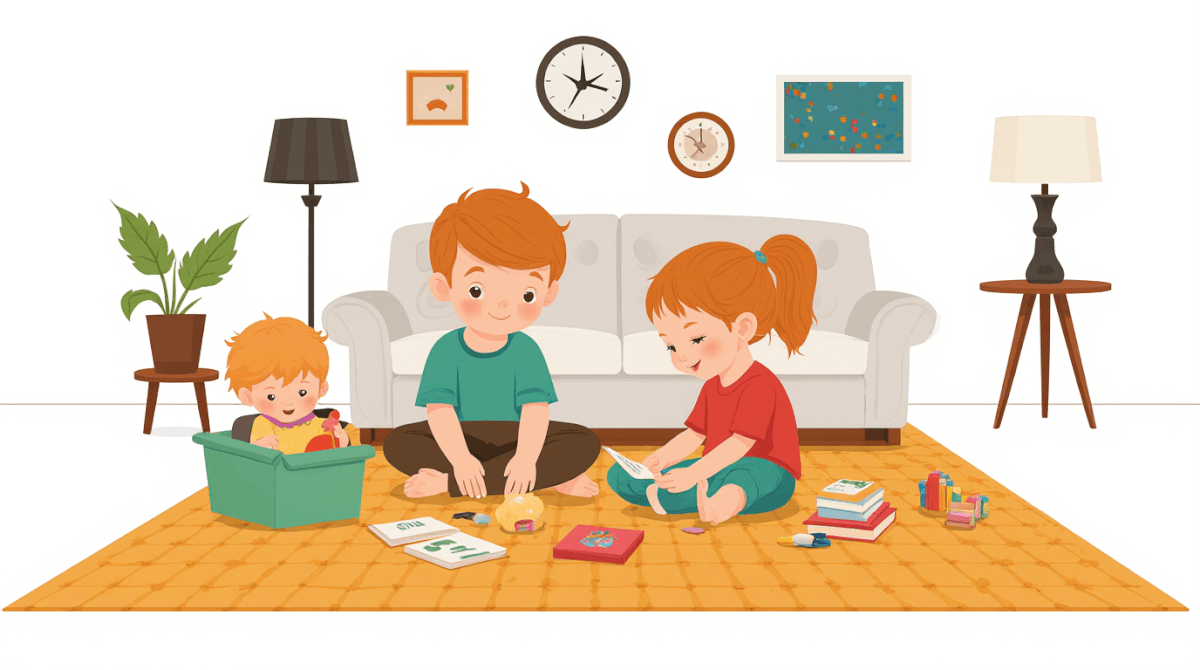
The environment plays a pivotal role in shaping this process. Family dynamics, particularly the interactions between family members, serve as a critical microcosm of social emotional learning. In a supportive home where open communication is encouraged, children are more likely to develop healthy emotional regulation skills. When parents model empathy and understanding during conflicts, children learn that expressing emotions can be handled constructively rather than avoided or suppressed. Environments marked by conflict, neglect, or abuse may hinder the development of these skills, leading to prolonged emotional instability.
Cultural norms also significantly impact the process of shaping identity through emotional balance. Different cultures have varying expectations regarding emotional expression and management. In some societies, expressing strong emotions publicly is discouraged, while in others, it is encouraged. These cultural differences influence how individuals perceive their own emotional responses and behaviors, further shaping their sense of self. A person raised in an expressive culture may feel more comfortable openly discussing feelings, whereas someone from a restrained culture might internalize emotions more deeply.
Societal expectations add another layer to the complexity. In modern societies, there is increasing emphasis on mental health awareness and emotional intelligence. This cultural shift can provide new frameworks for understanding and managing emotions. Schools often incorporate programs that teach children about mindfulness and stress management techniques. These practices help students develop a more nuanced approach to their emotional lives, which in turn influences how they view themselves and interact with others.
The cumulative effect of these factors is profound. Individuals who successfully navigate emotional balance tend to have stronger self-concepts, better interpersonal relationships, and improved overall well-being. They are able to handle challenges more effectively because they can recognize and appropriately manage their emotions. A teenager who understands the importance of emotional regulation may seek help when feeling overwhelmed by stress or anxiety, leading to healthier coping mechanisms.
Those with poor emotional balance might struggle in various aspects of life. They could experience chronic stress, have difficulty forming close relationships, or exhibit risky behaviors due to a lack of effective emotion management strategies. These challenges can lead to a sense of disconnection from one’s identity and an unstable self-image.
The interplay between internal regulation skills and external environmental factors is particularly evident in the formation of identity during adolescence. This period is characterized by significant emotional changes as individuals navigate independence, peer pressure, and broader societal expectations. Those who have developed robust emotional balance tend to approach these challenges with a greater sense of resilience and self-awareness.
Emotional balance is not just about managing feelings but deeply influences the way we see ourselves in the world. It shapes our identities through complex interactions between internal psychological processes and external environmental factors such as family dynamics, cultural norms, and societal expectations. By fostering environments that encourage open communication, empathy, and self-awareness, we can support the development of emotional balance, ultimately contributing to healthier, more integrated identities. As these skills are nurtured from early childhood through adolescence and beyond, they serve as a foundational pillar for personal growth and well-being.
References:
– Siegel, D. J., & Hartzell, M. (2017). *Parenting from the Inside Out: How A Deeper Self-Understanding Can Help You Raise Children Who Thrive*. Penguin.
– Schonert-Reichl, K. A., & Zaidi, B. S. (2015). *Mindfulness in Schools Project: Theoretical Foundations and Current Evidence*.
These references provide additional insights into the psychological mechanisms and practical applications of emotional balance in child development.



