
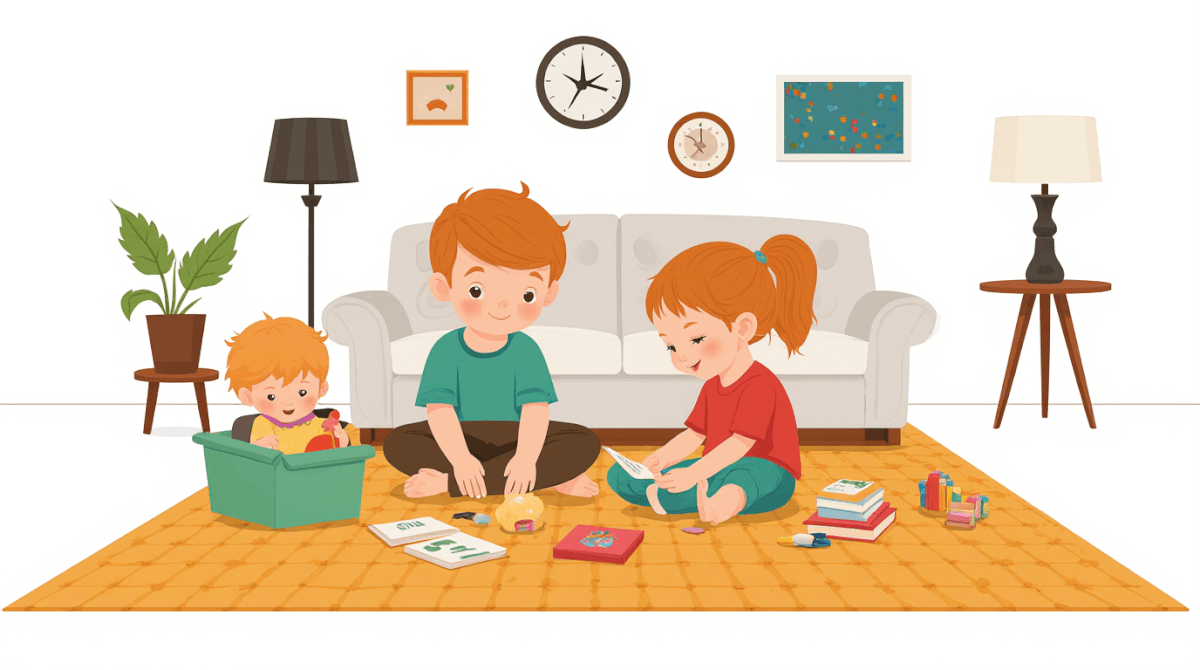
Early stability plays a crucial role in shaping social confidence—a foundational aspect of our ability to interact positively with others and navigate the complexities of social environments. This essay will delve into how consistent emotional support from caregivers during early childhood influences the development of social confidence through several key mechanisms, including the formation of secure attachment, the internalization of positive self-perceptions, and the fostering of prosocial behaviors.
The foundation for social confidence is often laid during infancy when infants establish close bonds with their primary caregivers. When caregivers provide consistent emotional support, responsiveness to needs, and a safe space for exploration, they create an environment where children feel secure enough to explore the world around them. This early experience sets the stage for developing trust in others and oneself, which are essential components of social confidence.
To understand how this works, we can consider the concept of attachment theory, developed by psychologist John Bowlby. According to Bowlby, a child’s first relationship with their caregiver serves as a template for all future relationships. Securely attached children, who have experienced consistent emotional support and responsiveness from caregivers, are more likely to develop a sense of trust in others, which forms the basis for positive social interactions.
Imagine a scenario where an infant named Alex is consistently comforted by his mother when he cries at night. Over time, Alex learns that his needs will be met, leading him to feel secure and confident in exploring his surroundings. This early sense of security allows Alex to approach new situations with curiosity rather than fear or anxiety, laying the groundwork for social confidence.
Consistent emotional support during early childhood fosters positive self-perceptions, which are crucial for developing social confidence. When children receive affectionate and validating interactions from their caregivers, they begin to see themselves as worthy of love and respect. This internalization of positive self-worth influences how they perceive their abilities in social situations.
Let us consider another example: Sarah, who received warm and supportive attention from her father during early childhood. She grew up perceiving herself as competent and capable, which translated into her ability to engage confidently in playdates with other children. Her parents’ encouragement and positive feedback further reinforced these positive self-perceptions, contributing significantly to her overall social confidence.
The influence of early stability extends beyond the immediate family environment to encompass broader social contexts. As children grow older and interact with peers and community members, their sense of security and positive self-worth can serve as a buffer against social challenges. When faced with peer rejection or bullying, a child who has experienced consistent emotional support is more likely to handle these situations with resilience and confidence.
Additionally, the role of prosocial behaviors in fostering social confidence cannot be overlooked. When children are taught to behave kindly and considerately towards others early on, they develop skills that facilitate positive social interactions. These prosocial behaviors, such as sharing, cooperating, and showing empathy, build a foundation for reciprocal relationships and enhance one’s overall social experience.
Imagine a child named Tommy who was consistently encouraged by his teachers and parents to share toys and help classmates in school. Over time, these experiences contribute to the development of prosocial behaviors, making him more likely to approach new social situations with confidence and a positive attitude towards others.
It is important to note that while early stability significantly influences social confidence, it does not operate in isolation. Cultural factors, community resources, and broader societal norms also play critical roles in shaping these developmental processes. In cultures where collectivism is highly valued, children may develop strong bonds with their peers from a young age, which can further reinforce the sense of security and positive self-worth necessary for social confidence.
The quality of early relationships extends beyond just emotional support to include the provision of cognitive and behavioral guidance. Caregivers who engage in activities that promote problem-solving skills, such as reading stories or playing games, help children develop the mental tools needed to navigate complex social situations. These experiences contribute to the development of self-efficacy, a sense of competence in handling various challenges.
Early stability is a multifaceted construct that significantly shapes social confidence through the formation of secure attachment, internalization of positive self-perceptions, and fostering prosocial behaviors. By providing consistent emotional support, caregivers create an environment where children can explore their surroundings confidently, develop a sense of trust in others, and perceive themselves as worthy and capable individuals. While cultural factors and broader societal contexts also play important roles, the early years remain a critical period for laying the foundation for lifelong social confidence.
It is essential to recognize that while these processes are crucial, they do not operate independently. The interplay between individual development and environmental factors underscores the complexity of human behavior and the need for holistic approaches in fostering positive social interactions throughout one’s life. Understanding the mechanisms through which early stability influences social confidence can inform educational policies, parenting practices, and community initiatives aimed at promoting healthy social development.
References:
– Bowlby, J. (1969). Attachment and Loss: Vol. 1. Attachment. Basic Books.
– Erikson, E. H. (1950). Childhood and Society. W.W. Norton & Company.
Related Reading
– Howard Gardner — Frames of Mind
– Laurence Steinberg — Age of Opportunity



