When children experience consistent positive reinforcement from their parents, they often develop a stronger sense of self-worth and confidence. Consider a scenario where a child receives encouragement for attempting something new—such as learning to ride a bike or making a painting. Parents who celebrate these small successes, providing praise and support, are fostering an environment in which the child internalizes that their efforts are valuable. This process can be seen in many households, like those of young Emma, whose parents praised her every attempt at drawing, even when it wasn’t perfect. Over time, this reinforcement helped Emma believe in her abilities, leading to a more resilient and confident identity.
When parental reactions are negative or overly critical, children may develop a less secure sense of self. An example can be seen in a household where a child receives constant criticism for their mistakes without much positive feedback. In such cases, children might internalize these harsh words as reflections of their inherent value. Consider the situation of Jack, who frequently received scolding from his parents whenever he made even minor errors at school. This pattern led him to believe that his worth was tied solely to his academic performance, creating a sense of inadequacy and insecurity in other areas of life.
Parents’ reactions also influence how children perceive their emotions and express them. Emotional validation is crucial for developing healthy emotional regulation skills. A parent who listens attentively when a child expresses frustration or sadness, acknowledging these feelings rather than dismissing them, helps the child learn that it’s okay to feel certain ways and provides a model for expressing emotions constructively. An example of this can be seen in the family of Lily, whose parents encouraged her to talk about her feelings, such as anger or disappointment, without judgment. This approach helped Lily develop better emotional coping mechanisms and a healthier sense of self.
When parents invalidate their children’s emotions, it can lead to difficulties in emotional regulation later on. In households where children are told not to cry or that they should “act like a big girl,” they might learn to suppress their feelings rather than addressing them constructively. This mechanism was evident in the case of Mark, who learned from his parents to hide his emotions and avoid expressing any form of vulnerability. As he grew older, Mark struggled with managing his emotions effectively, often bottling up feelings until they became overwhelming.
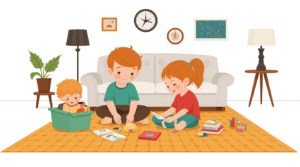
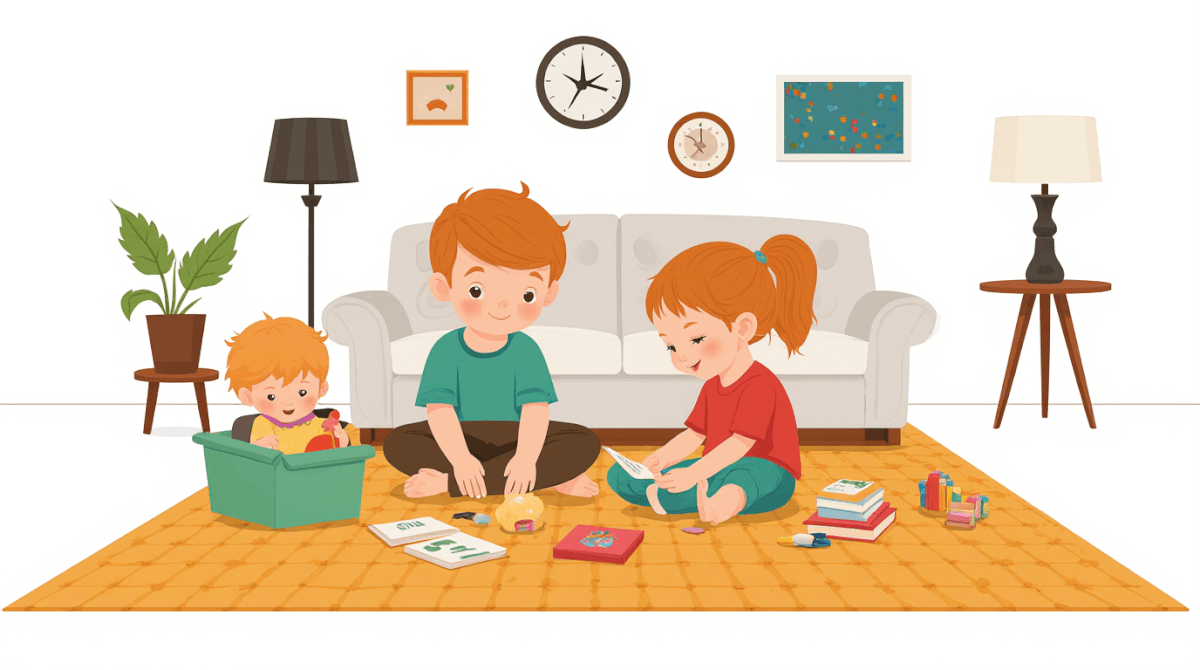
Parental reactions also impact how children view their social roles and relationships. A child’s sense of belonging and acceptance can be greatly influenced by the way parents interact within the family dynamic. A family that values cooperation and communication might create an environment where siblings feel encouraged to help each other and work together on projects. Such interactions reinforce positive social behaviors and foster a sense of communal identity. In the household of Sarah and her siblings, parents actively encouraged teamwork and shared experiences, leading to strong bonds between them and a collective sense of family unity.
Families with high levels of conflict or disapproval might create environments where children feel isolated or excluded from meaningful interactions. A child who constantly hears negative comments about their friends or family members may develop a more critical view of social relationships, making it harder for them to form secure attachments later in life. Take the case of Tom, whose parents frequently criticized his friends and discouraged him from spending time with them. Over time, this led to feelings of isolation and difficulty forming genuine connections.
Parental reactions can shape a child’s perception of their capabilities and future potential. When parents provide guidance and support while setting realistic expectations, children are more likely to develop a balanced view of their abilities. In the family of Rachel, her parents set achievable goals and provided resources for her to pursue her interests, leading to a healthy sense of self-efficacy. This approach helped Rachel feel capable and motivated throughout her academic journey.
When parents have overly high expectations or unrealistic standards, children might develop feelings of inadequacy and stress. A parent who constantly pushes their child to excel in all areas without offering appropriate support can create a cycle of anxiety and performance pressure. Consider the case of Alex, whose parents insisted on perfect grades and excessive extracurricular activities, leading to significant stress and burnout. This approach not only undermined Alex’s sense of self-worth but also hindered his overall well-being.
Parental reactions further influence how children develop their personal values and beliefs. A child’s identity is strongly shaped by the values they encounter within the family unit. In families that emphasize honesty and integrity, children are more likely to internalize these principles as part of their own identity. In the home of Olivia, her parents consistently modeled honesty and transparency, leading Olivia to develop a strong sense of ethical behavior. This environment fostered an intrinsic belief in doing the right thing.
Families with inconsistent or conflicting values might leave children struggling to find their moral compass. A child who hears different messages about what is right and wrong from various family members may experience confusion and uncertainty when making decisions. An example can be seen in the case of Michael, whose parents had differing views on certain behaviors like lying for convenience. This inconsistency left Michael unsure of how to navigate his own ethical dilemmas.
Parental reactions play a significant role in how children perceive their place within broader social contexts. Children who grow up in families that actively engage with community service or volunteer work might develop a stronger sense of civic responsibility and altruism. In the family of Lisa, her parents often involved her in local charitable activities, leading to a deep-seated commitment to helping others. This experience helped Lisa form values around social contribution.
Families that prioritize self-interest over community engagement may create environments where children develop more individualistic or selfish perspectives. In the household of Nick, his parents focused heavily on their own careers and financial success, leaving little time for community involvement. Over time, this led to a more entitled attitude towards resources and opportunities.
Lastly, parental reactions can significantly affect how children view themselves in terms of gender roles and expectations. In families that encourage flexibility and equal participation regardless of gender, children are more likely to develop identities that transcend traditional stereotypes. In the home of Emily, her parents treated all their children equally, allowing them to pursue interests without gender-based limitations. This approach fostered a sense of equality and freedom in defining personal goals.
Families that rigidly adhere to traditional roles might limit a child’s identity formation. In the household of Daniel, his parents expected him to follow a path more aligned with societal norms for boys—such as sports or technology. This expectation constrained Daniel’s ability to explore other interests, leading to feelings of limited potential and restricted identity.
Parental reactions profoundly shape the development of children’s identities through various mechanisms such as emotional validation, social interactions, value internalization, and role modeling. These reactions create a dynamic interplay between child and parent that ultimately constructs the framework for a child’s self-perception. By understanding these processes, parents can better support their children in navigating the complexities of identity formation. While it is important to acknowledge that individual differences exist among children, recognizing the significant impact of parental behavior provides valuable insights into fostering healthy identities.